

Introduction: The Strategic Importance of Norme ISO 45001 for Organizations
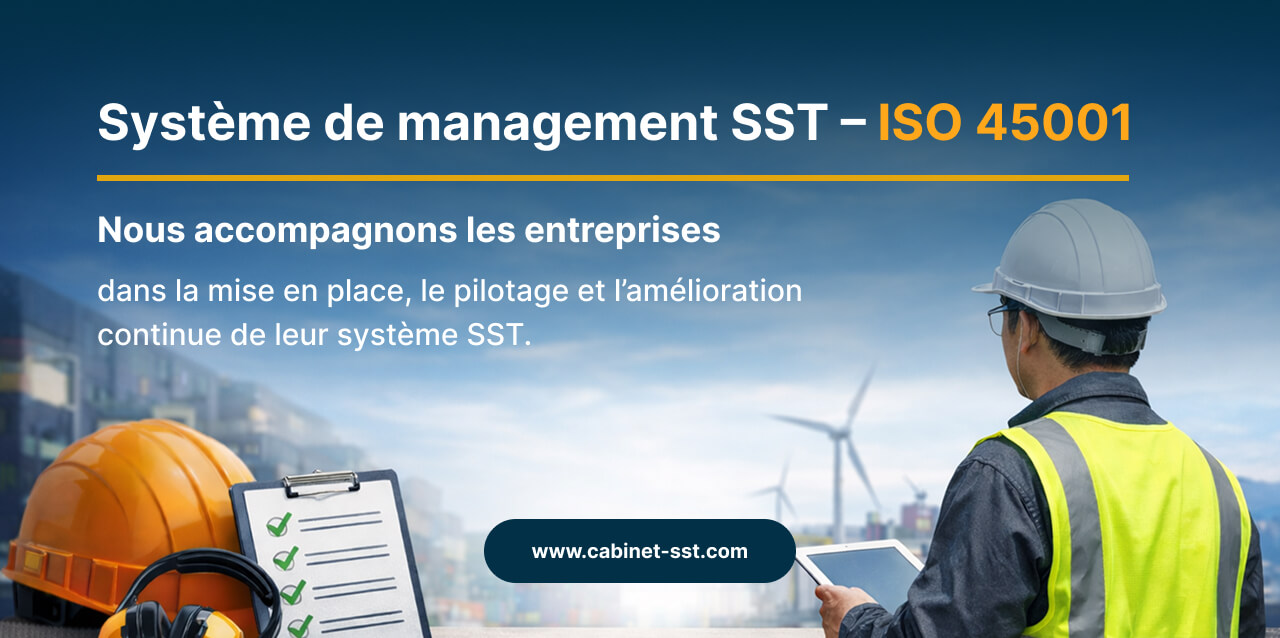
In today’s competitive and safety-conscious business environment, the implementation of robust occupational health and safety management systems is paramount. The norme ISO 45001 has emerged as the international standard for managing workplace health and safety risks, ultimately helping organizations protect their workforce, enhance operational efficiency, and comply with regulatory requirements. Understanding the mise en place ISO 45001—or the implementation process of this standard—is crucial for companies seeking to elevate their health and safety management to international benchmarks.
Whether your organization aims to reduce workplace accidents, improve compliance, or establish a safety culture, the norme ISO 45001 provides a systematic approach tailored to these goals. This article delves deeply into the key concepts, challenges, regulations, implementation methodologies, and real-world applications surrounding ISO 45001, equipping decision-makers with critical insights to navigate the complexities of occupational safety management effectively.
Key Concepts and Definitions Related to Norme ISO 45001

The norme ISO 45001 is an international standard published by the International Organization for Standardization (ISO), designed to specify requirements for an occupational health and safety (OH&S) management system. It aims to enable organizations to proactively identify and mitigate risks, reduce workplace injuries, and promote overall employee well-being.
Understanding the foundational terms and principles is essential for the successful mise en place ISO 45001:
- Occupational Health and Safety (OH&S): The discipline focused on the physical and mental well-being of employees at work.
- Management System: A structured framework of policies, processes, and procedures that help organizations achieve their objectives systematically.
- Risk Assessment: The process of identifying hazards and evaluating risks associated with workplace activities.
- Context of the Organization: ISO 45001 requires understanding the internal and external factors affecting OH&S management, including stakeholders’ needs and expectations.
- Leadership and Worker Participation: The standard emphasizes the importance of top management commitment and active involvement of workers in occupational safety processes.
The norme ISO 45001 applies to all organizations regardless of size, sector, or geography, advocating a continuous improvement cycle founded on the Plan-Do-Check-Act (PDCA) model to integrate safety management into organizational culture.
Challenges and Risks Addressed by Norme ISO 45001

Before the widespread adoption of the norme ISO 45001, many organizations faced persistent challenges related to workplace safety and regulatory compliance:
- Fragmented Safety Management: Lack of coherent and structured safety procedures often resulted in recurring accidents and health issues.
- Difficulty in Risk Identification: Many companies struggled to systematically identify hazards, especially emerging risks related to technological or process changes.
- Worker Engagement Deficiency: Insufficient employee involvement led to disconnects between safety policies and operational realities on the ground.
- Compliance Complexity: Navigating multiple local, national, and international regulations posed legal and administrative burdens.
- Financial Costs: Workplace incidents incur direct costs such as medical expenses and indirect costs including reputational damage and operational downtime.
Implementing the norme ISO 45001 directly addresses these pain points by providing a structured, globally recognized framework to identify and mitigate risks, engage workers, and systematize compliance efforts, thereby significantly reducing workplace incidents and their associated costs.
International Standards and Regulatory Frameworks Surrounding ISO 45001

The norme ISO 45001 integrates into a broader landscape of international regulations and standards influencing workplace safety:
| Standard/Regulation | Scope | Relation to ISO 45001 |
|---|---|---|
| OHSAS 18001 | Predecessor standard focused on OH&S management systems | ISO 45001 supersedes OHSAS 18001, providing enhanced requirements especially on leadership and worker participation |
| ISO 9001 | Quality management systems standard | ISO 45001 aligns with ISO 9001’s high-level structure enabling integration with other management systems |
| ILO Convention 155 | International Labour Organization guideline on occupational safety and health | ISO 45001 reflects many principles from ILO 155, emphasizing worker rights and safety |
| National Occupational Safety Laws | Country-specific legal requirements | ISO 45001 helps organizations establish systems that ensure compliance with applicable local laws |
Organizations that adopt ISO 45001 demonstrate a commitment to meeting or exceeding both international best practices and local legal requirements.
Local Context: Applying Norme ISO 45001 within France’s Industrial and Business Landscape
Given the mise en place ISO 45001 context for businesses in France, it is crucial to address the country-specific environment for occupational health and safety.
France has a comprehensive regulatory framework governing workplace safety, notably regulated through the “Code du Travail” and enforced by the “Inspection du Travail.” Its economy features a wide range of sectors including manufacturing hubs in regions like Auvergne-Rhône-Alpes, automotive industries in Hauts-de-France, and an extensive service sector centered in Île-de-France.
These sectors often face distinct OH&S challenges:
- Manufacturing and Heavy Industry: Risk of physical injuries, exposure to hazardous substances, and machine-related accidents.
- Construction: High incidence of falls and ergonomic hazards requiring stringent safety measures.
- Healthcare: Interface with biological risks and psychosocial factors affecting worker health.
- Service and Office Environments: Stress-related disorders and ergonomic risks dominate.
With the norme ISO 45001, French organizations across these sectors can implement robust OH&S systems aligned with ISO standards while harmonizing with national labor laws. This dual alignment enhances compliance and safety culture simultaneously.
For companies operating within industrial zones or commercial centers like Lille, Lyon, or Marseille, the strategic adoption of ISO 45001 supports risk mitigation in often densely staffed and operationally complex sites.
Methodologies and Structured Approaches for the Mise en Place ISO 45001
Implementing the norme ISO 45001 follows a structured methodology that ensures the standard is embedded deeply and sustainably into an organization’s management frameworks. The following stepwise approach is commonly recommended:
- Understanding Organizational Context: Analyze internal and external factors affecting OH&S, including regulatory requirements, stakeholder expectations, and organizational culture.
- Gap Analysis: Evaluate current OH&S processes and systems against ISO 45001 requirements to identify areas needing improvement.
- Leadership Engagement: Secure top management commitment to provide resources, define policies, and foster a culture prioritizing safety.
- Worker Participation and Communication: Establish mechanisms such as safety committees, training, and feedback channels to involve employees effectively.
- Risk Identification and Assessment: Systematically identify hazards, assess risks, and determine controls, updating them regularly.
- Documentation and Process Development: Develop policies, procedures, and records forming the backbone of the OH&S management system.
- Implementation and Training: Roll out processes, train workers at all levels, and integrate safety considerations into daily operations.
- Performance Monitoring and Evaluation: Use audits, inspections, and KPIs to measure effectiveness and identify areas for improvement.
- Continuous Improvement: Apply corrective actions based on findings, leveraging the Plan-Do-Check-Act (PDCA) cycle to progressively enhance OH&S management.
Throughout the process, engaging external expertise or specialized consulting firms can support effective and compliant mise en place ISO 45001.
Benefits and Organizational Impacts of Adopting Norme ISO 45001
Adherence to the norme ISO 45001 yields far-reaching benefits for organizations, including but not limited to:
- Enhanced Employee Safety: Reduction in accidents, injuries, and occupational illnesses, fostering a safer and healthier workplace.
- Regulatory Compliance: Streamlined adherence to legal OH&S requirements, minimizing the risk of sanctions and fines.
- Improved Risk Management: Systematic identification and mitigation of hazards reduce interruptions and indemnity costs.
- Employee Engagement and Retention: A culture valuing safety and well-being boosts motivation, morale, and workforce stability.
- Reputational Advantages: Certification signals commitment to best practices, enhancing credibility with clients, partners, and investors.
- Operational Efficiency: Well-structured processes minimize downtime related to accidents and improve productivity.
- Financial Gains: Lower insurance premiums and reduced compensation costs contribute to the bottom line.
In the strategic perspective, ISO 45001 fosters a proactive safety culture, making organizations resilient and adaptive to emerging safety challenges.
Case Studies and Use Cases Illustrating Mise en Place ISO 45001
Organizations from various industries have successfully implemented the norme ISO 45001. Here we explore two illustrative examples:
Case Study 1: Automotive Manufacturer in Auvergne-Rhône-Alpes
A major automotive parts manufacturer faced frequent hand injuries and machine-related accidents. After a comprehensive gap analysis, they launched the mise en place ISO 45001 project, focusing on enhanced risk assessments, worker training, and improved safety protocols. Over 18 months, accident rates dropped by 40%, insurance costs decreased by 15%, and employee satisfaction surveys showed a significant uplift in perceived workplace safety.
Case Study 2: Construction Firm in Île-de-France
A mid-sized construction firm struggled with regulatory compliance and inconsistent safety practices across projects. Implementing ISO 45001 centralized their OH&S processes, standardized risk assessments, and boosted worker involvement through regular safety briefings and empowerment programs. The result was a 30% reduction in lost-time incidents and improved client trust, which contributed to winning larger contracts.
These examples illustrate how the norme ISO 45001 can be adapted to diverse operational contexts to deliver tangible health and safety improvements.
Future Trends and Perspectives in Occupational Health and Safety Management
The occupational health and safety landscape is evolving rapidly, driven by technological innovation, changing workforce demographics, and increasing regulatory complexity. The future of the norme ISO 45001 and its implementation will likely be influenced by several trends:
- Digital Transformation: Integration of data analytics, IoT sensors, and AI-driven risk forecasting will enhance real-time hazard detection and response.
- Psychosocial Risk Management: Growing awareness of mental health factors will prompt broader definitions of occupational well-being within OH&S systems.
- Sustainability Integration: Aligning OH&S with environmental and social governance (ESG) criteria to promote holistic corporate responsibility.
- Remote and Hybrid Work Safety: Developing guidelines and risk controls for non-traditional work arrangements.
- Greater Regulatory Harmonization: Efforts to align international standards and local laws will facilitate cross-border operations and certifications.
Staying ahead through continuous improvement and innovative approaches to the mise en place ISO 45001 will remain essential for organizations aspiring to be leaders in workplace safety.
Conclusion: Key Takeaways and Next Steps for ISO 45001 Implementation
The adoption and effective implementation of the norme ISO 45001 offer organizations a proven framework to enhance workplace safety, ensure legal compliance, and build resilient operational processes. From understanding its core principles to navigating local regulatory landscapes and deploying structured methodologies, the mise en place ISO 45001 is a strategic investment that delivers measurable benefits across safety, financial performance, and workforce engagement.
For leaders and decision-makers committed to advancing occupational health and safety management, engaging with expert consultants can accelerate certification and embed a culture of well-being throughout the organization.
To learn more about tailored support on ISO 45001 implementation and how it can transform your company’s safety management system, do not hesitate to reach out for professional guidance and comprehensive assistance.
Take the proactive step today towards a safer workspace and sustainable business success.
Further insights on occupational safety can be explored at the ISO official website.