

Introduction
In industrial environments where fire hazards are prevalent, controlling ignition sources during hot work operations is a critical safety concern. The modele permis de feu serves as an essential tool in this context, providing a structured approach to managing fire risks associated with activities such as welding, cutting, grinding, and soldering. For organizations, understanding and implementing an effective modele permis de feu not only safeguards personnel and assets but also ensures regulatory compliance and operational continuity.
This article delves into the fundamental principles behind the modele permis de feu, its application within the broader Procédure Permis de travail framework, and the significant benefits it brings to industrial safety management. Targeted towards business decision-makers, safety managers, and operational leaders, this comprehensive guide will equip readers with the knowledge necessary to mitigate fire-related risks effectively.
Key Concepts and Definitions
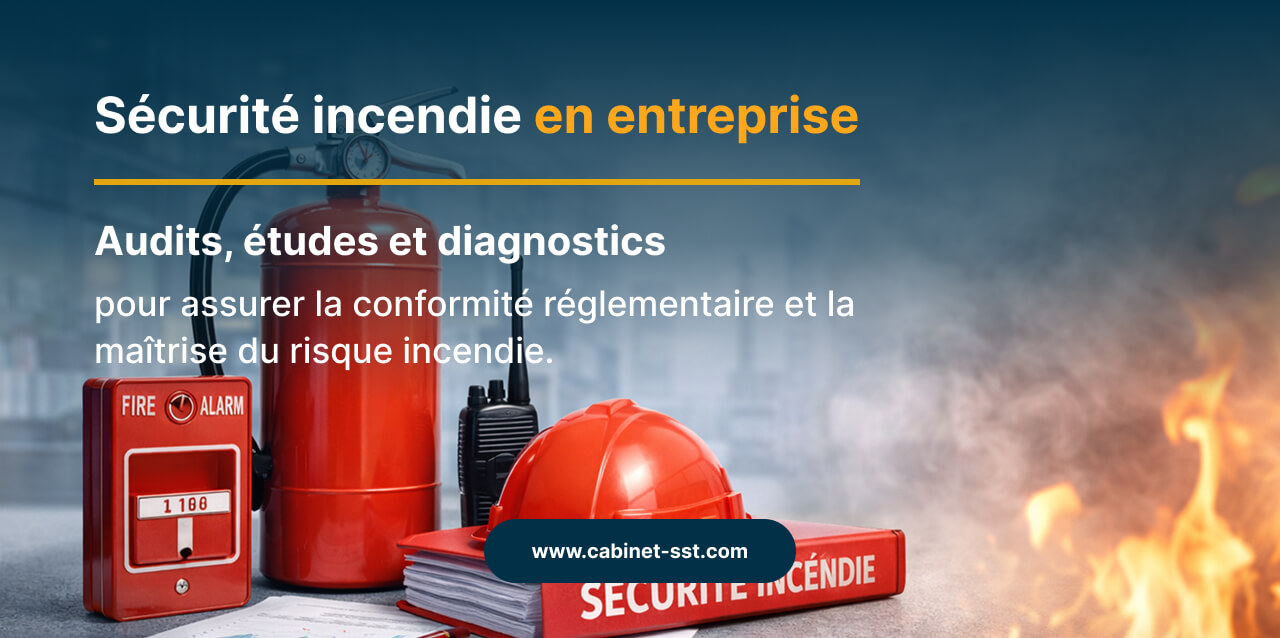
The term modele permis de feu refers to a fire permit model or template used to authorize and control hot work operations in hazardous environments. Hot work includes any task that produces sparks, flames, or heat that could ignite combustible materials, such as welding, cutting, brazing, or grinding. The permit system serves as a formal authorization ensuring that all necessary precautions are taken before, during, and after such activities.
Within the broader scope of work permits, the modele permis de feu is a specialized subset, distinct but often integrated with the overall Procédure Permis de travail—the work permit procedure—used to control various hazardous jobs on industrial sites.
Main components of a modele permis de feu include:
- Identification of work: Description and location of the hot work to be performed.
- Hazard assessment: Specific risks related to fire and explosion evaluated for the task.
- Required precautions: Control measures such as fire watches, isolation of flammable materials, and ventilation.
- Authorization: Signatures from responsible personnel approving the hot work under prescribed conditions.
- Duration and validity: Time limits and procedures for renewal or cancellation of the permit.
Relation to the Procédure Permis de travail
The modele permis de feu exists within the procedural framework of the Procédure Permis de travail, which governs the systematic issuance of work permits to control different hazards in various activities. While the general work permit may cover mechanical, electrical, or confined space operations, the fire permit template focuses exclusively on controlling ignition risks, demanding more stringent safety measures.
Challenges and Risks Addressed by the Modele Permis de Feu
Hot work poses several unique challenges and fire-related risks that necessitate the implementation of a modele permis de feu. These include:
- Ignition of Combustible Materials: Sparks or heat generated during hot work can ignite nearby flammable liquids, gases, dust, or solid materials.
- Confined Spaces and Poor Ventilation: Operating in enclosed or poorly ventilated areas increases the risk of fire and hazardous smoke accumulation.
- Lack of Clear Communication: Without an authorized permit and communication protocol, workers may unknowingly perform hot work in unsafe conditions.
- Inadequate Fire Watch Procedures: Failure to provide dedicated fire watchers during and after hot work activities can result in delayed detection and response to fires.
- Complexity of Identifying Risks: Industrial sites often house multiple overlapping hazards, making the risk assessment for hot work challenging.
By implementing a thorough modele permis de feu, organizations address these challenges by enforcing a mandatory safety checklist, hazard identification, and controls before any hot work begins, significantly reducing fire incidents.
International Standards and Regulations
The development and application of the modele permis de feu conform to global safety principles embedded in numerous international standards and guidelines. Key references include:
- ISO 45001 – Occupational health and safety management systems: Emphasizes hazard identification, risk assessment, and control processes that underpin the permit-to-work systems.
- NFPA 51B: Standard for Fire Prevention During Welding, Cutting, and Other Hot Work by the National Fire Protection Association (NFPA): Provides prescriptive guidelines on issuing fire permits, including fire watch requirements, hot work equipment, and preparatory steps.
- OSHA Standards (US): 29 CFR 1910.252 outlines safety standards for welding, cutting, and brazing activities in workplaces, mandating control measures to prevent fires.
- EN 15001 (European standard for gas installation): Includes fire safety aspects related to hot work near gas installations.
These frameworks serve as the foundation for designing an effective modele permis de feu that aligns with international best practices, ensuring both legal compliance and enhanced safety.
Local Context: Implementation in France
Within the French industrial landscape, particularly in sectors like petrochemical, construction, manufacturing, and energy production, hot work is pervasive and requires rigorous oversight. The modele permis de feu aligns with national regulatory requirements outlined by the French Labour Code (Code du Travail), which mandates risk prevention measures and the use of permits for hazardous tasks.
Key sectors and zones where the modele permis de feu is critical include:
- Refineries and chemical plants: High concentrations of flammable substances necessitate stringent hot work controls.
- Shipbuilding and maintenance yards: Frequent welding and cutting activities combined with confined spaces.
- Construction sites: Hot works performed at various phases require permits to avoid inadvertent ignition.
- Industrial zones such as the Rhône-Alpes or Grand Paris area: Dense industrial hubs with multiple overlapping hazards.
For effective application, French companies often adapt standardized modele permis de feu templates to their specific operational realities while referencing guidance from the Procédure Permis de travail, which is tailored for local regulations and industry expectations.
Methodologies and Approaches for Implementing the Modele Permis de Feu
Successfully applying a modele permis de feu requires a layered methodology incorporating risk assessment, communication, authorization, execution, and monitoring. Below is a stepwise approach commonly adopted:
- Preparation and Risk Assessment: Evaluate the work area for combustible materials, confined spaces, and ventilation. Identify potential ignition sources and fire hazards.
- Issuing the Fire Permit: The responsible safety officer or supervisor completes the modele permis de feu, documenting hazards, required controls, and authorized personnel.
- Implementation of Fire Prevention Measures: This includes removing or protecting combustibles, ensuring firefighting equipment availability, and designating fire watchers.
- Communication and Training: All personnel involved must be trained on the permit requirements, risks, and emergency procedures.
- Monitoring During Hot Work: Fire watchers continuously observe the work area during and for a preset time after completion to detect smoldering or actual fires.
- Completion and Closure: Once the work is safely completed, the permit issuer verifies compliance, signs off, and archives the permit document.
Integration with Digital Tools
Modern implementations increasingly incorporate digital platforms to manage modele permis de feu issuance, tracking, and validation. Benefits include enhanced traceability, real-time monitoring, and audit readiness, elevating safety management to contemporary standards.
Benefits and Impacts of Effectively Using a Modele Permis de Feu
The adoption of a robust modele permis de feu delivers multiple benefits at organizational and operational levels:
- Improved Safety: Systematic hazard identification and control prevent fire incidents, protecting employees and infrastructure.
- Regulatory Compliance: Facilitates adherence to national and international safety standards, reducing the risk of penalties.
- Operational Continuity: Avoidance of fire-related shutdowns and loss of productivity.
- Financial Savings: Minimizes costs linked to accidents, insurance claims, and equipment damage.
- Enhanced Risk Awareness: Promotes a safety culture by involving workers and supervisors in risk mitigation processes.
Case Studies and Use Cases
Case Study 1: Chemical Plant Hot Work in Lyon
A chemical plant located near Lyon implemented a detailed modele permis de feu as part of its overall safety strategy. Prior to adoption, the plant experienced multiple near-miss fire incidents during maintenance welding. After implementing the permit system, the plant documented a 90% reduction in fire-related hazards within the first year. The success was attributed to improved communication and the mandatory presence of dedicated fire watchers.
Case Study 2: Shipyard Operations in Marseille
During extensive ship repair operations, a shipyard in Marseille adopted a digital modele permis de feu tool integrated into their Procédure Permis de travail. This enabled remote authorization and real-time monitoring of hot work permits in multiple dock areas, reducing paperwork errors and improving the enforcement of safety protocols. The initiative led to faster permit turnaround times and enhanced contractor safety compliance.
Future Trends and Perspectives
As industrial environments grow more complex and technologically integrated, the future of the modele permis de feu is evolving along several dimensions:
- Digital Transformation: Increasing use of mobile applications and cloud-based systems for electronic permit issuance and monitoring.
- Integration with IoT Sensors: Deployment of heat, smoke, and gas sensors linked with permit management systems to provide real-time alerts and automatic permit updates.
- Augmented Reality (AR) Training: AR-based simulations for training workers on hot work hazards and permit requirements, enhancing user engagement and retention.
- Advanced Risk Analytics: Use of AI-driven data analysis to predict high-risk scenarios and optimize permit issuance strategies.
- Global Harmonization: Increasing alignment of international standards may lead to standardized global modele permis de feu templates facilitating multinational operations.
Summary Table: Key Elements of the Modele Permis de Feu
| Element | Description | Purpose |
|---|---|---|
| Work Description and Location | Detailed information about the hot work task and site | Ensures clarity on scope and area of risk |
| Risk Assessment | Evaluation of fire hazards and ignition sources | Identifies necessary precautions |
| Precautionary Measures | Actions like removal of combustibles, fire watches, and ventilation | Minimizes fire risks |
| Authorization Signatures | Approvals by safety officers and supervisors | Ensures accountability |
| Validity Period | Defined start and end times for permit | Limits exposure time |
| Completion and Closure | Verification after work to ensure safety | Confirms safe conclusion of tasks |
Conclusion
Implementing an effective modele permis de feu is fundamental for companies performing hot work activities in hazardous environments. By integrating this specialized fire permit within the overarching Procédure Permis de travail, organizations can significantly reduce fire risks, ensure regulatory compliance, and cultivate a safety-first culture.
From risk assessment to authorization, execution, and monitoring, each step within the modele permis de feu process plays a vital role in safeguarding lives and assets. As digital innovations continue to advance, opportunities to enhance permit workflows will further strengthen hot work safety management.
For professional guidance on developing and deploying a customized modele permis de feu that fits your organization’s needs, do not hesitate to get in touch with our experts. Enhancing your fire safety protocols starts with informed and strategic action.