

Introduction to Matériel Électrique ATEX
In today’s industrial landscape, safety is paramount, especially when dealing with potentially explosive atmospheres. Matériel électrique ATEX refers to electrical equipment specifically designed and certified to operate safely in hazardous environments containing explosive gases, vapors, or dust. This equipment plays a crucial role in preventing accidents and ensuring operational continuity in industries such as petrochemicals, mining, manufacturing, and pharmaceuticals.
For organizations operating in such high-risk environments, understanding the principles and regulations surrounding matériel électrique ATEX is not just a regulatory necessity but a critical component of risk management. With the increasing adoption of stringent safety standards worldwide, businesses must invest in correctly certified electrical devices and engage with experts like a Bureau Etude ATEX to ensure compliance and safety assurance.
Key Concepts and Definitions of Matériel Électrique ATEX
The term matériel électrique ATEX originates from the European Directive 2014/34/EU, also known simply as the ATEX Directive, which governs equipment intended for use in explosive atmospheres. “ATEX” itself is derived from “ATmosphères EXplosibles.” This directive classifies equipment based on the explosion risk and the type of explosive atmosphere it is designed to withstand.
Understanding the core definitions is essential:
- Explosive Atmosphere: A mixture of air with flammable substances in the form of gas, vapor, mist, or dust that can ignite under certain conditions.
- Zones: Areas classified according to the frequency and duration of the explosive atmosphere’s presence. For gases and vapors, zones 0, 1, 2 are used; for dust, zones 20, 21, 22.
- Equipment Groups and Categories: Equipment is grouped into I (mining) and II (surface industries), with categories indicating levels of protection—1 (high), 2 (medium), and 3 (low).
- Protection Types: Various techniques are used to make electrical equipment ATEX compliant, such as intrinsic safety, flameproof enclosures, and increased safety design.
Matériel électrique ATEX thus encompasses a broad spectrum of equipment from simple switchgear to complex control systems specifically engineered to prevent ignition sources.
Challenges and Risks Addressed by Matériel Électrique ATEX
The operation of electrical equipment in potentially explosive atmospheres involves inherent risks that pose threats to human life, environmental health, and operational assets. Key challenges include:
- Ignition Sources: Electrical equipment that generates sparks, arcs, or heat can ignite explosive mixtures.
- Environmental Conditions: Harsh environments with dust, moisture, temperature fluctuations, and vibrations can compromise equipment integrity.
- Compliance Complexity: Navigating the myriad of regulations, standards, and certification requirements can be difficult without professional guidance.
- Maintenance and Lifecycle Management: Ongoing maintenance must ensure equipment continues to meet ATEX standards throughout its operational life.
By implementing properly certified matériel électrique ATEX, organizations mitigate the risk of catastrophic explosions, reduce downtime, and safeguard personnel while enhancing regulatory compliance. This risk mitigation makes the investment in ATEX-compliant equipment a critical priority.
International Standards and Regulations Governing Matériel Électrique ATEX
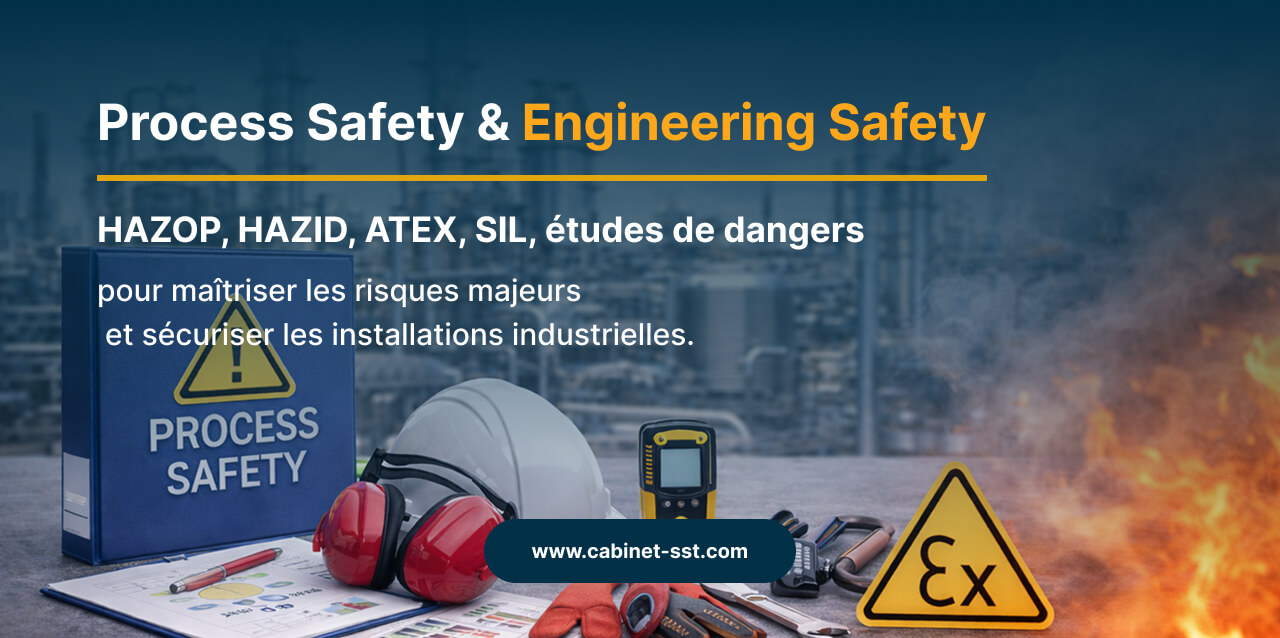
The compliance of matériel électrique ATEX is governed by an intricate framework of international and regional standards and directives. Key regulations include:
- ATEX Directive (2014/34/EU): The cornerstone European legislation mandating equipment design and certification for explosive environments.
- IECEx Scheme: The International Electrotechnical Commission System for Certification to Standards Relating to Equipment for Use in Explosive Atmospheres provides globally recognized certification, facilitating international trade.
- National Regulations: Individual countries implement additional safety laws and codes, often harmonized with international standards.
- ISO/IEC Standards: Standards such as ISO 80079 and IEC 60079 series offer detailed technical specifications on design, testing, and installation of electrical apparatus in explosive atmospheres.
It is essential for manufacturers and end-users of matériel électrique ATEX to strictly adhere to these frameworks to ensure legal compliance and mitigate liabilities.
Local Context: Matériel Électrique ATEX in France
France, as a member of the European Union, fully aligns with the ATEX Directive and implements its requirements rigorously, making it mandatory for businesses operating within hazardous zones. The country has significant industrial hubs with high ATEX compliance demand, such as:
- The Fos-sur-Mer Petrochemical Complex: One of the largest ports and industrial zones in France, hosting numerous oil refineries and chemical plants requiring certified matériel électrique ATEX.
- The Dunkirk Industrial Area: Featuring metallurgical and chemical industries prone to explosive environments.
- The Paris-Bagnolet Pharmaceutical Sector: Pharmaceuticals operations where explosive vapors may be present during manufacturing processes.
French regulations complement EU legislation with strict workplace safety and environmental protection laws under the Code du Travail and Code de l’Environnement, further emphasizing the need for reliable and certified matériel électrique ATEX.
Businesses in France would benefit from consulting specialized service providers such as the Bureau Etude ATEX offering expert advice, risk analyses, and certification assistance.
Methodologies and Approaches to Implementing Matériel Électrique ATEX
Successful implementation of matériel électrique ATEX requires a systematic approach, typically encompassing the following stages:
- Risk Assessment and Zone Classification: Identifying hazardous zones and understanding the nature and frequency of explosive atmospheres.
- Equipment Selection: Choosing ATEX-certified electrical devices matching the category (1, 2, or 3) and group (I or II) requirements for the identified zones.
- Design Engineering: Integrating matériel électrique ATEX within industrial installation designs in compliance with applicable standards.
- Installation and Commissioning: Implementing correct installation practices, grounding, and segregation to maintain safety integrity.
- Testing and Certification: Conducting mandatory tests, inspections, and obtaining third-party certifications to validate compliance.
- Maintenance and Continuous Monitoring: Establishing preventive maintenance schedules, periodic inspections, and updating equipment as necessary.
Working with a Bureau Etude ATEX can streamline these processes, ensuring rigor and regulatory alignment while adopting best practices in explosion protection engineering.
Benefits and Impacts of Matériel Électrique ATEX
Adopting certified matériel électrique ATEX offers several significant benefits:
- Safety Assurance: Minimizes the risk of accidental explosions, protecting employees and assets.
- Regulatory Compliance: Ensures adherence to legal requirements, helping avoid costly fines and operational stoppages.
- Operational Reliability: ATEX-certified equipment is engineered to perform reliably under harsh conditions, reducing downtime.
- Financial Advantages: While initial investment may be higher, reduced risk of accidents, insurance premiums, and downtime result in long-term savings.
- Enhanced Reputation: Commitment to safety promotes trust among stakeholders, clients, and partners.
Furthermore, well-executed ATEX compliance contributes to sustainable operational practices and aligns with corporate social responsibility goals.
Case Studies and Use Cases
Case Study 1: Petrochemical Refinery Upgrade
A French petrochemical refinery located in Fos-sur-Mer planned a comprehensive electrical system upgrade to comply with updated ATEX standards. The project involved:
- Redesigning electrical installations using matériel électrique ATEX Category 1 equipment for Zone 0 and Zone 1 areas.
- Consulting a Bureau Etude ATEX to perform risk assessment and ensure certification compliance.
- Implementing a maintenance plan with regularly scheduled inspections and equipment testing.
As a result, the refinery improved its safety ratings, reduced unplanned outages, and reinforced regulatory compliance, leading to greater operational confidence.
Case Study 2: Pharmaceutical Manufacturer’s Dust Hazard Control
A Paris-based pharmaceutical manufacturer identified the presence of explosive dust in one of its production lines (Zone 21). The company:
- Replaced all electrical equipment with matériel électrique ATEX compliant with dust protection (Zone 21, Category 2D).
- Implemented intrinsic safety measures and installed specialized dust-proof enclosures.
- Trained personnel on ATEX hazards and maintenance best practices.
This proactive approach prevented potential explosions, maintained uninterrupted production, and garnered positive assessments from health and safety regulators.
Future Trends and Perspectives in Matériel Électrique ATEX
The future of matériel électrique ATEX is shaped by technological advancements, regulatory evolution, and growing safety expectations:
- Digitalization and IoT Integration: Deployment of smart sensors and monitoring systems with ATEX certification enables real-time condition monitoring and predictive maintenance.
- Energy Efficiency and Sustainable Design: Innovations focus on reducing energy consumption while complying with explosion-proof standards.
- Harmonization of International Standards: Ongoing efforts to unify global certification systems like IECEx and ATEX simplify compliance for multinational companies.
- Enhanced Training and Risk Assessment Tools: Utilization of AI-driven tools for hazard identification and workforce training improves safety outcomes.
- Expansion into Emerging Markets: Increasing industrialization in regions such as Southeast Asia elevates demand for certified matériel électrique ATEX and related consulting services.
Remaining informed of these trends and engaging with expert consultants such as a Bureau Etude ATEX is crucial for organizations to stay ahead in compliance and safety management.
Summary Table: ATEX Zones and Equipment Categories
| Zone | Description | Equipment Category | Risk Level | Example of Matériel Électrique ATEX |
|---|---|---|---|---|
| Zone 0 | Area with continuous or long-term presence of explosive atmosphere | Category 1 | High | Intrinsic safe sensors, flameproof enclosures |
| Zone 1 | Area where explosive atmosphere is likely to occur in normal operation | Category 2 | Medium | Increased safety fittings, encapsulated equipment |
| Zone 2 | Area where explosive atmosphere is unlikely and only for a short time | Category 3 | Low | Standard certified electrical fittings |
Conclusion
In conclusion, the significance of matériel électrique ATEX in mitigating hazards in explosive atmospheres cannot be overstated. From understanding key concepts and international standards to navigating local French regulations, selecting and maintaining ATEX-certified electrical equipment is integral to industrial safety and compliance.
Organizations operating in hazardous zones must adopt structured methodologies to implement ATEX-compliant electrical solutions effectively. This not only protects human life and physical assets but also delivers operational, financial, and reputational benefits. By engaging experts like a Bureau Etude ATEX, companies can confidently approach risk assessments, compliance processes, and technical implementations.
As the landscape evolves with technological innovation and regulatory updates, staying informed and proactive on matériel électrique ATEX will be a defining factor in safely managing explosive environments. For businesses seeking tailored advice and comprehensive ATEX consultation, do not hesitate to reach out for expert guidance and a professional partnership in safety.