

Introduction to Management SST INRS: Enhancing Workplace Safety and Health
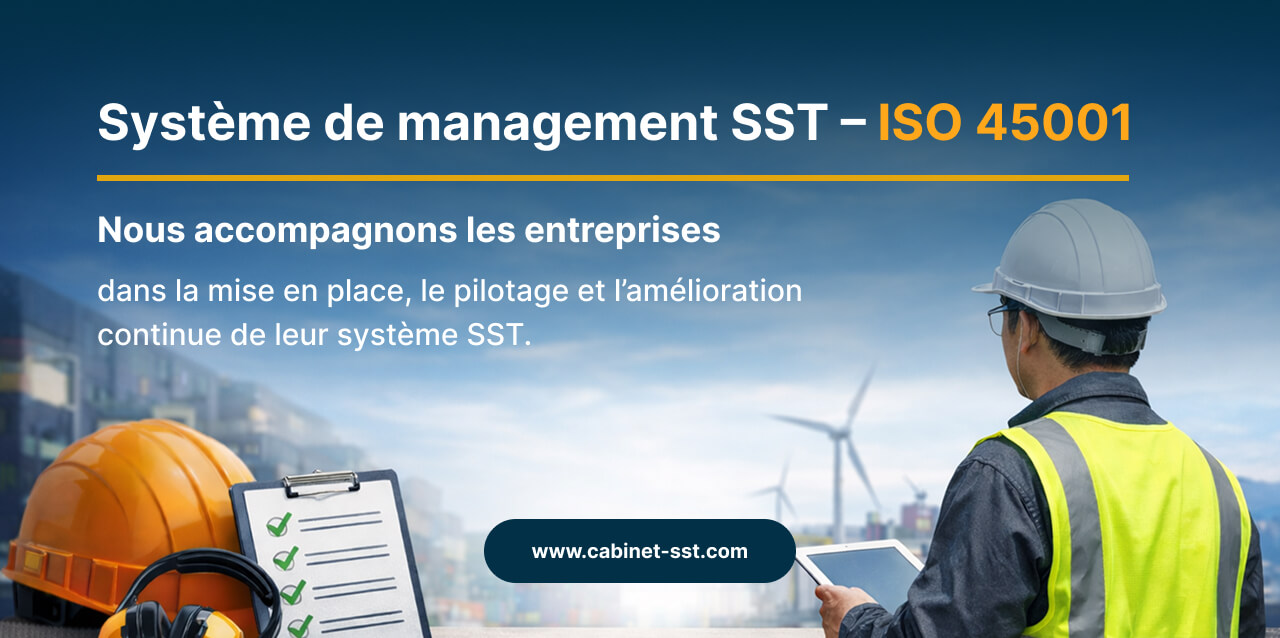
In the contemporary organizational landscape, ensuring the well-being of employees is not only an ethical obligation but also a strategic imperative. The concept of Management SST INRS revolves around the comprehensive administration of occupational health and safety measures, drawing from the guidelines and frameworks established by the Institut National de Recherche et de Sécurité (INRS). For organizations and individuals alike, adopting effective management strategies in SST (Santé et Sécurité au Travail) can dramatically reduce workplace hazards, improve compliance with regulations, and foster a culture of safety.
The importance of Management SST INRS lies in its potential to mitigate risks associated with occupational hazards, ensuring safer work environments and minimizing financial and reputational losses. This educational article will delve deeply into the key principles behind SST management, explore challenges, review international standards, and discuss its application in the local French context, with a nod to significant industrial sectors.
Key Concepts and Definitions in Management SST INRS

Understanding Management SST INRS requires a clear grasp of several fundamental concepts. SST stands for “Santé et Sécurité au Travail,” or Occupational Health and Safety (OHS), encompassing all processes and policies designed to protect workers from injury and illness linked to the working environment.
The INRS is a French public organization specializing in occupational risk prevention, offering vital research, resources, and recommendations for effective SST management. Hence, Management SST INRS reflects an approach to OHS management guided by INRS standards and methodologies.
Core Principles of Management SST INRS
- Risk Assessment: Systematic identification and evaluation of workplace hazards.
- Prevention Strategies: Proactive measures to eliminate or minimize risks.
- Employee Training and Engagement: Education and empowerment of workers on safety protocols.
- Compliance and Regulation: Adherence to legal frameworks and norms.
- Continuous Improvement: Monitoring, auditing, and updating safety practices for effectiveness.
The management process often leverages tools such as risk matrices, prevention plans, and safety audits, building a comprehensive framework that aligns with INRS recommendations.
Challenges and Risks Addressed by Management SST INRS
Workplace environments are inherently prone to hazards—from physical injuries to long-term health issues like occupational diseases. The primary function of Management SST INRS is to confront and mitigate these risks through a structured, evidence-based approach.
Some prominent challenges include:
- Identifying Invisible Risks: Chemical exposure and ergonomic concerns are often less obvious but significantly harmful.
- Adapting to Diverse Work Environments: Different industries face unique safety issues requiring tailored solutions.
- Ensuring Employee Compliance: Motivating consistent adherence to safety protocols can be difficult.
- Managing Emergencies: Preparation for accidents, including fast response and mitigation strategies.
- Legal and Regulatory Complexity: Navigating the evolving laws related to SST in various regions.
By addressing these challenges, Management SST INRS helps organizations anticipate, prepare for, and effectively manage workplace risks.
International Standards and Regulations Relevant to Management SST INRS
While Management SST INRS is deeply rooted in French occupational health and safety frameworks, the broader context involves adherence to international standards that enhance global safety benchmarks.
Key frameworks include:
- ISO 45001: The international standard for Occupational Health and Safety Management Systems (OHSMS), providing a globally recognized framework for managing risks and improving safety outcomes.
- International Labour Organization (ILO) Conventions: Legal instruments promoting decent working conditions and workers’ safety worldwide.
- European Union Directives: Several EU directives, such as Directive 89/391/EEC, define minimum safety frameworks to be implemented in member states, including France.
These international regulations work synergistically with the principles established by the INRS, ensuring that Management SST INRS practices not only protect workers but also position organizations competitively across global markets.
Management SST INRS in the Local Context of France
Given that INRS is a French institution, the practice of Management SST INRS is particularly relevant to the French occupational health framework. French labor law, especially the Code du Travail, mandates specific health and safety standards, with the INRS serving as a key advisory and research entity.
Typical sectors in France where SST management is crucial include:
- Manufacturing and Industrial Zones: Regions like Île-de-France and Auvergne-Rhône-Alpes host dense clusters of factories where occupational hazards are significant.
- Construction Industry: One of the highest risk sectors, requiring rigorous SST policies.
- Healthcare and Social Services: Managing biological risks and ergonomics is critical here.
- Agriculture: Exposed to chemical, machinery, and environmental hazards.
Case studies from these sectors demonstrate the practical application of Management SST INRS, illustrating how organizations can tailor preventive strategies to local industrial realities.
Case Example: Application in a French Automotive Plant
A prominent automotive manufacturing plant in the Auvergne-Rhône-Alpes region implemented a comprehensive SST management system based on INRS guidelines. Through systematic risk assessment, employee training, and equipment modernization, the plant reduced workplace accidents by 30% within two years, showcasing the value of dedicated health and safety governance.
Methodologies and Approaches to Implement Management SST INRS
Organizations aiming to establish or improve their SST management systems can adopt structured methodologies aligned with INRS recommendations:
- Initial Risk Assessment: Conduct a thorough evaluation of all potential occupational hazards, utilizing tools such as the INRS risk matrix.
- Development of a Prevention Plan: Formulate strategies and procedures to eliminate or control identified risks.
- Employee Training and Awareness: Continuous education, including SST certifications, drills, and information sessions.
- Implementation of Safety Procedures: Installation of protective equipment, emergency protocols, and ergonomic adaptations.
- Monitoring and Continuous Evaluation: Regular audits, incident investigations, and stakeholder feedback loops.
| Phase | Action | Expected Outcome |
|---|---|---|
| Assessment | Identify risks, hazards, and legal requirements | Comprehensive risk map and compliance checklist |
| Planning | Design safety procedures and training modules | Prevention plan aligned with INRS standards |
| Implementation | Apply policies and conduct workforce training | Improved safety culture and reduced incidents |
| Evaluation | Audit safety measures and review outcomes | Feedback for continuous improvement |
For practical training in safety, partnering with accredited organizations is vital. For instance, the Cabinet NPM offers specialized courses that enhance workforce readiness.
Benefits and Impact of Effective Management SST INRS
Adopting a robust Management SST INRS framework delivers numerous advantages beyond compliance. The benefits include:
- Enhanced Employee Safety: Reduced exposure to hazards results in fewer accidents and occupational illnesses.
- Operational Efficiency: Safer workplaces minimize downtime related to incidents and disruptions.
- Financial Savings: Lower insurance premiums, reduced compensation claims, and avoidance of legal penalties.
- Improved Employee Morale and Retention: Demonstrating care for workers encourages loyalty and productivity.
- Reputational Gains: Commitment to OHS strengthens corporate image with clients and partners.
These improvements collectively contribute to sustainable organizational growth and regulatory alignment.
Case Studies and Use Cases Demonstrating Management SST INRS Effectiveness
Use Case 1: Construction Firm in Île-de-France
A mid-sized construction company implemented Management SST INRS strategies focused on ergonomic risk reduction and hazardous material handling. Over three years, the firm recorded a 40% decline in musculoskeletal disorders and improved on-site emergency readiness, affirming the approach’s effectiveness.
Use Case 2: Agricultural Enterprise in Provence-Alpes-Côte d’Azur
Facing challenges with pesticide exposure, an agricultural cooperative adopted INRS-endorsed risk controls and worker training programs. This led to a significant reduction in chemical-related incidents and enhanced community trust.
Future Trends and Perspectives in Management SST INRS
The field of occupational health and safety management is evolving rapidly, driven by technological, regulatory, and cultural shifts. Anticipated developments in Management SST INRS include:
- Digitalization and IoT Integration: Use of sensors and AI for real-time hazard detection and predictive risk management.
- Personalized Safety Training: Leveraging virtual reality and gamification for more effective employee engagement.
- Focus on Mental Health: Expanding SST strategies to include psychological well-being alongside physical safety.
- Increased Regulatory Stringency: Anticipating tighter laws requiring more sophisticated SST systems.
- Global Harmonization: Greater alignment of INRS frameworks with international standards to support multinational operations.
These trends promise to make Management SST INRS an even more critical component of organizational strategy in the years ahead.
Conclusion
Effective Management SST INRS is a cornerstone of modern organizational success, blending rigorous risk management with proactive prevention and continuous improvement. By integrating INRS best practices, companies can safeguard their workforce, optimize operations, and maintain compliance with both local and international regulations.
Whether operating within France’s diverse industrial sectors or across international markets, organizations that embrace this comprehensive approach to occupational health and safety will not only protect their most valuable asset—their employees—but also enhance their competitive positioning.
For tailored advice and expert support in implementing robust occupational health and safety management, consider reaching out to a specialized cabinet conseil en SST. Their expertise will help your organization navigate the complexities of SST regulation, training, and continuous improvement to achieve lasting safety excellence.