

Introduction to Lampe ATEX: Ensuring Safety in Hazardous Environments
In industries where explosive atmospheres are a risk, safety is paramount. The role of a lampe atex, or ATEX-certified lamp, is crucial in mitigating dangers posed by ignition sources. Organizations operating in sectors such as oil and gas, chemical manufacturing, mining, and pharmaceuticals must carefully select lighting solutions designed to prevent sparks and explosions.
The importance of lampe atex stems from stringent safety requirements and the need for compliance with international regulations. For businesses and safety managers, understanding what an ATEX lamp is, how it works, and its regulatory framework is essential for effective risk management.
This article offers an in-depth exploration of the concept of lampe atex, discussing key principles, challenges, standards, methodologies, benefits, and future perspectives. By the end, organizations will be better equipped to choose and implement appropriate lighting solutions to ensure operational safety and regulatory compliance.
Key Concepts and Definitions of Lampe ATEX
The term lampe atex refers to lighting equipment specifically designed and certified for use in explosive atmospheres, conforming to the Atmosphères Explosibles (ATEX) directives. It originates from European Union regulations aimed at controlling explosion risks in industrial settings.
Understanding the terminology is fundamental:
- ATEX Directive: A set of European Union law and standards that define requirements for equipment intended for explosive atmospheres. It covers two main directives: 2014/34/EU for equipment and protective systems and 1999/92/EC for workplace safety.
- Explosive Atmosphere: A mixture of air with flammable substances in the form of gases, vapors, mists, or dust capable of igniting under certain conditions.
- Lampe ATEX Certification: A certification confirming that the lamp design prevents ignition, complying with specific technical standards such as EN 60079 series.
- Explosion Protection Techniques: Methods that prevent ignition, including intrinsic safety, flameproof enclosures, increased safety, and encapsulation.
A lampe atex typically incorporates explosion-proof housings, spark-free electrical circuits, and robust materials to ensure resilience under demanding industrial conditions.
Challenges and Risks Addressed by Lampe ATEX
Working within hazardous environments presents numerous risks that can result in catastrophic accidents if not properly managed. The primary challenges addressed by using a lampe atex include:
- Explosion Risks: Traditional lighting can generate sparks or excessive heat, potentially igniting flammable substances. A lampe atex eliminates these ignition sources.
- Durability in Harsh Conditions: Explosion-proof lamps must withstand corrosive chemicals, extreme temperatures, and physical impacts typical in industrial zones.
- Compliance and Liability: Failure to use compliant lighting can lead to legal penalties, operational shutdowns, and significant financial losses.
- Installation Complexity: Selecting the right lampe atex involves assessing zone classifications, power requirements, and maintenance access, which can be complex without expert guidance.
- Technological Integration: Modern industries demand lighting compatible with automation, remote control, and energy efficiency, adding layers of complexity.
Effectively addressing these risks protects both personnel and assets while enhancing operational continuity.
International Standards and Regulations Governing Lampe ATEX
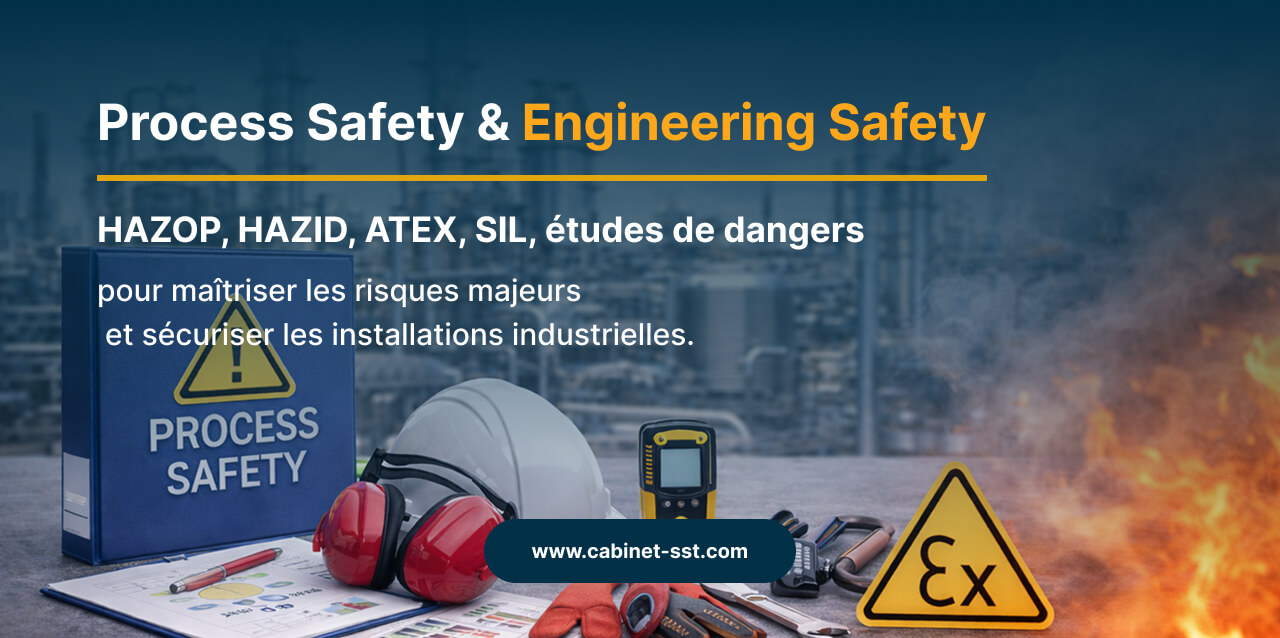
The design, manufacture, and use of a lampe atex are governed by an intricate network of standards to ensure safety and interoperability worldwide. The main frameworks include:
- ATEX Directives (EU):
- Directive 2014/34/EU (ATEX 114): Addresses equipment and protective systems for potentially explosive atmospheres.
- Directive 1999/92/EC (ATEX 153): Focuses on minimum health and safety requirements for improving worker safety.
- IECEx Scheme: An international certification system developed by the International Electrotechnical Commission, harmonizing global safety standards for electrical equipment in explosive atmospheres.
- EN 60079 Series: European standards specifying requirements for electrical apparatus intended for explosive gas atmospheres, including particular tests for lighting equipment.
- NFPA 70 and NEC (USA): The National Fire Protection Association standards and the National Electrical Code regulate hazardous location lighting in the United States.
Manufacturers of lampe atex must obtain certifications verifying compliance, including explosion-proof and intrinsic safety classifications. This regulatory environment emphasizes rigorous testing and ongoing quality assurance.
Local Context: Application of Lampe ATEX in France and European Industrial Zones
Given the European origin of the ATEX directives, countries like France are at the forefront of implementing lampe atex solutions across diverse industries. France hosts a variety of hazardous industrial zones requiring specialized lighting, including:
- Chemical Industrial Parks: Areas such as Fos-sur-Mer and the Rhône-Alpes region have significant chemical manufacturing plants that necessitate explosion-proof lighting systems.
- Oil Refineries and Gas Terminals: Sites in Normandy and the Mediterranean coast deal with flammable hydrocarbons, enforcing strict use of ATEX-compliant lamps.
- Pharmaceutical Production Centers: Facilities in Paris and Lyon pharmaceutical hubs require lighting that avoids contamination risks and complies with ATEX for volatile solvents.
- Mining Regions: Northeastern France includes deep mining operations where explosion risks from methane gas necessitate certified lighting.
In these contexts, a lampe atex integrates with safety protocols defined by French and EU occupational health authorities. Businesses typically engage a Bureau Etude ATEX to evaluate, design, and validate lighting installations that comply with local and international standards.
Methodologies and Approaches for Implementing Lampe ATEX
Implementing a lampe atex within an organization involves structured methodologies to ensure safety and compliance:
- Risk Assessment and Zoning: Identify hazardous zones according to the probability and duration of explosive atmospheres (Zone 0, 1, 2 for gases; Zone 20, 21, 22 for dust).
- Selection of Suitable Lighting Technology: Choose lamps based on explosion protection type (Ex d, Ex e, Ex i, etc.), brightness requirements, energy efficiency, and ease of maintenance.
- Certification Verification: Confirm that chosen lighting is certified under ATEX or IECEx schemes pertinent to the identified zone classification.
- Installation Compliance: Installation must respect manufacturer guidelines and national electrical codes to prevent creating ignition hazards during setup.
- Inspection and Maintenance Programs: Regular checks ensure that lamp integrity is maintained, preventing degradation that could compromise explosion protection.
Collaboration with specialized consultants or a Bureau Etude ATEX is vital to guarantee that each phase meets rigorous safety criteria.
Benefits and Impacts of Using Lampe ATEX in Industrial Settings
Adopting a lampe atex offers extensive advantages beyond regulatory compliance, impacting organization-wide factors positively:
- Safety Enhancement: Reduces the risk of catastrophic explosions, protecting lives and assets.
- Operational Continuity: Minimizes risks of shutdowns due to lighting failures or safety incidents.
- Financial Savings: Prevention of accidents lowers insurance costs, legal fines, and avoids expensive downtime.
- Energy Efficiency: Advanced ATEX lamps often integrate LED technology reducing power consumption and operational costs.
- Environmental Compliance: Certified lamps help organizations meet environmental standards by reducing hazardous waste and emissions.
- Reputation and Trust: Demonstrating commitment to safety and compliance strengthens stakeholder confidence.
Case Studies and Use Cases Illustrating Lampe ATEX Implementation
Case Study 1: Chemical Manufacturing Plant Upgrade
A chemical manufacturing facility in Lyon faced frequent lighting-related incidents risking ignition of volatile solvents. After conducting a thorough risk assessment, the plant collaborated with a Bureau Etude ATEX to select and install lampe atex solutions with Ex d flameproof enclosures. Post-installation audits showed a 100% reduction in lighting-related safety issues and improved production uptime by 15% within the first year.
Case Study 2: Oil Refinery Safety Overhaul
In Normandy, an oil refinery upgraded all illumination in Zone 1 hazardous areas to ATEX-certified LED lamps after a regulatory inspection highlighted risks with outdated lighting systems. The new lampe atex installations included remote monitoring features to ensure rapid identification of faults, enhancing worker safety and meeting evolving regulatory requirements.
Use Case: Mining Operation Safety
A deep mining operation in northeastern France integrated battery-powered, intrinsically safe lamps to address power supply challenges underground, reducing ignition hazards from electrical sources. This approach greatly enhanced miner safety during maintenance and emergency activities in explosive methane environments.
Future Trends and Perspectives for Lampe ATEX Technology
The landscape of explosion-proof lighting is evolving with technological innovation and tighter safety demands:
- Smart ATEX Lighting: The integration of IoT sensors and wireless control systems is enabling real-time condition monitoring and predictive maintenance of lampe atex.
- Energy-Efficient LEDs: Next-generation high-lumen LED lamps are reducing operational costs while maintaining compliance with explosion protection standards.
- Miniaturization and Portability: Compact certified lamps enhance flexibility in tight industrial spaces and emergency situations.
- Enhanced Materials: Use of novel materials resistant to corrosion and extreme temperatures improves durability in challenging environments.
- Global Harmonization: Increasing alignment between IECEx and regional standards is simplifying certification and international trade for manufacturers.
Organizations investing early in advanced lampe atex technologies stand to benefit from improved safety outcomes and operational efficiency.
Comparative Overview of Common Explosion Protection Techniques in Lampe ATEX
| Protection Type | Description | Typical Use Cases | Advantages |
|---|---|---|---|
| Ex d (Flameproof Enclosure) | Encloses electrical components in a robust housing to contain any explosion. | Harsh environments like chemical plants and refineries. | High safety, suitable for zones 1 and 2. |
| Ex e (Increased Safety) | Improves safety through better construction, preventing arcs and sparks. | Areas with lower risk, Zone 2 hazardous zones. | Lightweight designs and easier maintenance. |
| Ex i (Intrinsic Safety) | Limits electrical energy to prevent ignition in circuits. | Portable devices and remote sensors. | Safe for use in the highest risk zones (Zone 0). |
| Ex p (Pressurization) | Keeps hazardous atmosphere away by maintaining a positive pressure inside the enclosure. | Dusty or gaseous hazardous areas. | Allows use of non-certified components inside. |
Summary and Conclusion
A lampe atex is a critical component for maintaining safety in explosive atmosphere environments. Understanding the technical principles, compliance requirements, and application methods ensures organizations select and implement effective lighting solutions. With the ever-present risks in hazardous industries, from chemical plants to mining, ATEX-certified lamps are indispensable in preventing ignition sources and safeguarding employees and infrastructure.
Future innovations are making lampe atex more intelligent, energy-efficient, and adaptable, providing businesses with tools to meet evolving safety challenges while optimizing operational costs.
For companies seeking tailored support in assessing, designing, and deploying ATEX lighting systems, engaging with an experienced Bureau Etude ATEX is highly recommended. Their expertise can help ensure compliance, improve safety, and enhance industry-specific operational performance.
To learn more about how we can assist your organization in navigating ATEX requirements and selecting the best lampe atex solutions, please do not hesitate to contact us for personalized guidance and consultancy.
Your safety and operational excellence depend on informed, certified choices — begin your ATEX lighting journey today.
For additional technical resources and official ATEX documentation, visit the European Commission ATEX page.