

Introduction
In an era marked by rapid industrial growth and technological evolution, the role of an ingénieur risques industriels has become indispensable. Industrial operations, while pivotal to economic development, inherently carry various risks that can significantly impact safety, environmental integrity, and financial stability. Consequently, organizations must prioritize risk management to safeguard their assets, employees, and the communities they serve.
Effective industrial risk management not only ensures regulatory compliance but also fosters operational excellence and sustainable growth. This article delves into the critical role of the ingénieur risques industriels, exploring its core responsibilities, methodologies, and the broader industrial risk management landscape, especially within the context of a cabinet gestion des risques industriels. Business leaders seeking to protect their enterprises against industrial hazards will find this comprehensive resource invaluable.
Key Concepts & Definitions
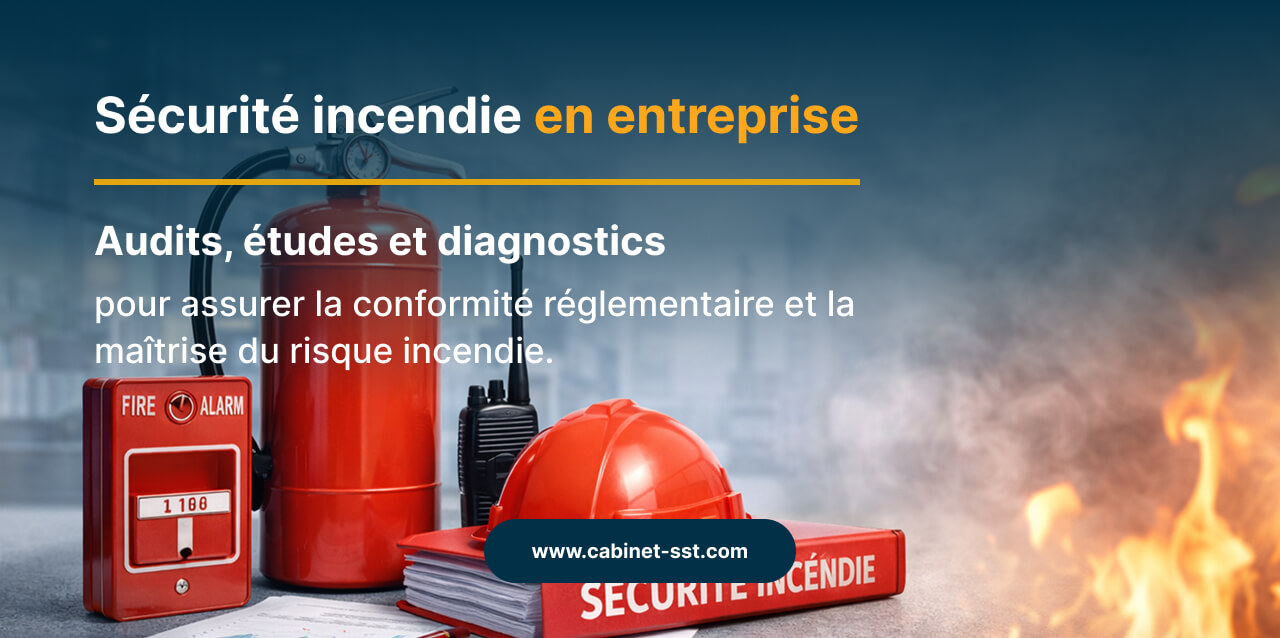
The term ingénieur risques industriels refers to a specialized engineer who identifies, evaluates, and controls risks in industrial environments. These risks could range from chemical spills, fires, explosions, to structural failures and environmental hazards.
Understanding the foundational principles is crucial:
- Industrial Risk: The potential for loss or harm resulting from industrial processes or activities.
- Risk Assessment: Systematic process to identify hazards, analyze or evaluate the associated risks, and determine preventive measures.
- Risk Mitigation: Implementation of strategies to minimize the likelihood or impact of identified risks.
- Process Safety Management: Coordinated efforts designed to prevent releases of hazardous substances.
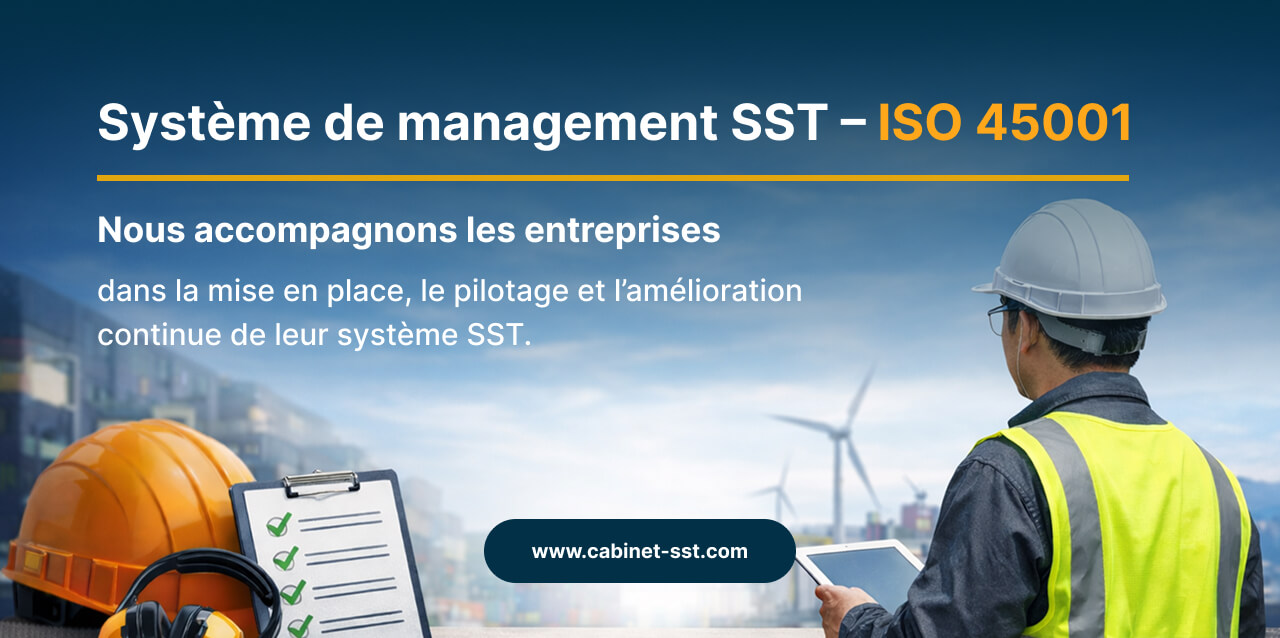
An ingénieur risques industriels integrates these principles into practical applications, ensuring the safety and reliability of industrial operations.
Challenges & Risks in Industrial Risk Engineering
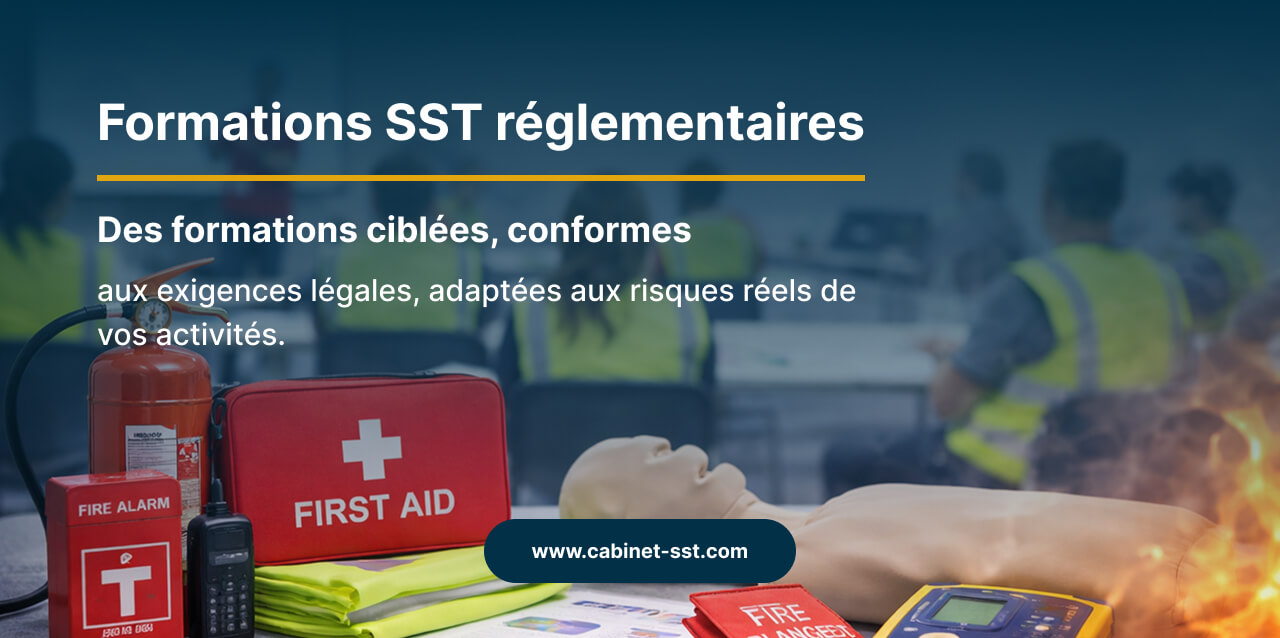
Industrial environments present unique and complex challenges that require the expertise of an ingénieur risques industriels. These challenges include:
- Complexity of Operations: Modern industrial processes often involve intricate systems with interconnected machinery and chemical processes where a single failure can cascade into widespread disruptions.
- Hazardous Materials: Handling and storage of dangerous substances elevates potential risks to personnel, environment, and infrastructure.
- Regulatory Compliance: Adapting operations to meet constantly evolving safety and environmental regulations demands vigilance and expertise.
- Technological Advancements: New technologies introduce unfamiliar risks, requiring continuous learning and adaptation.
- Human Factors: Operator errors, insufficient training, or organizational culture can exacerbate risks.
Effective management of these risks demands a proactive, multidisciplinary approach led by skilled engineers who understand both technical and organizational dimensions.
International Standards & Regulations
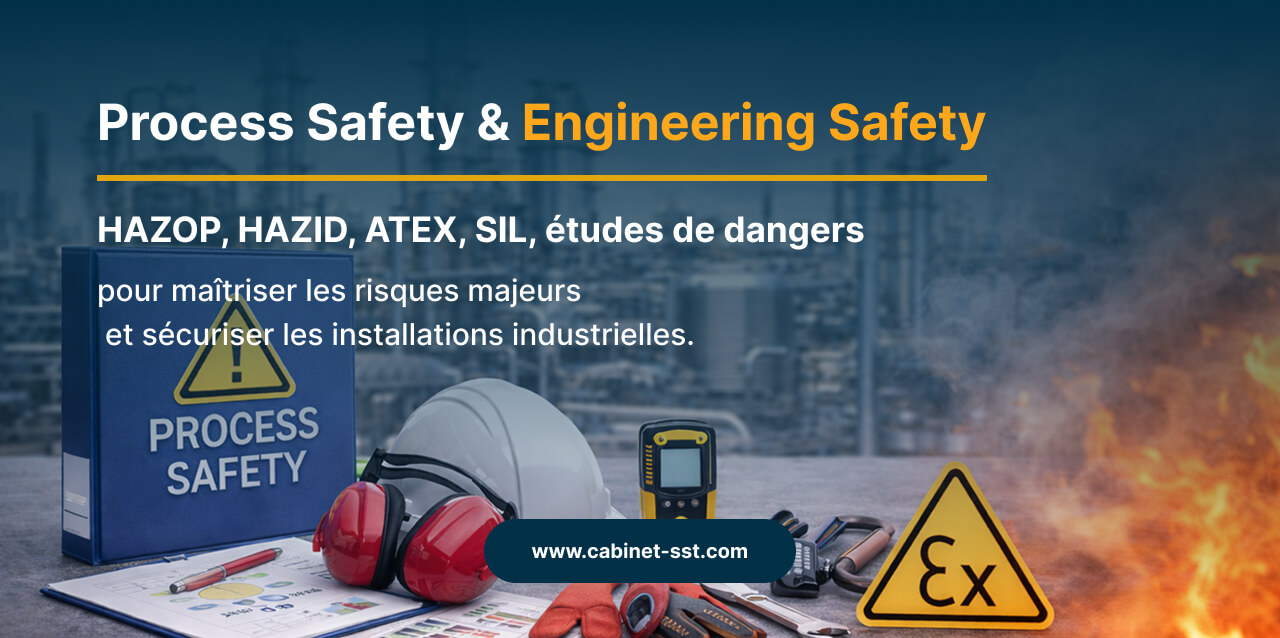
Global industrial risk management adheres to rigorous standards and regulations designed to protect workers, environments, and communities. An ingénieur risques industriels must be well-versed in these frameworks to implement best practices effectively.
Key international standards include:
- ISO 31000: Provides principles and guidelines for risk management applicable across industries worldwide.
- ISO 45001: Focuses on occupational health and safety management systems.
- Seveso III Directive (EU): Regulates the prevention of major industrial accidents involving dangerous substances.
- OSHA Standards (USA): Occupational safety and health administration regulations enforce workplace safety.
- API Standards: Developed by the American Petroleum Institute targeting process safety in the oil and gas sector.
Adherence to these regulations not only ensures compliance but builds a resilient risk culture within industrial organizations.
Local Context: Industrial Risk Management in France
France is renowned for its robust industrial sectors including chemicals, petrochemicals, nuclear energy, and manufacturing. The role of the ingénieur risques industriels is shaped by the French regulatory environment and industrial landscape.
This local context highlights important factors:
- Regulatory Framework: French regulations such as the ICPE (Installations Classées pour la Protection de l’Environnement) require stringent risk assessments and safety measures in classified facilities.
- Industrial Clusters: Regions like Normandy, Rhône-Alpes, and Nord-Pas-de-Calais host numerous industrial hubs where risk management expertise is critical.
- Sector-Specific Practices: Nuclear facilities in France enforce rigorous safety protocols, requiring specialized risk engineering knowledge.
The cabinet gestion des risques industriels in France plays a pivotal role in supporting businesses with compliance, risk assessment, and mitigation strategies tailored to the local industrial fabric.
Methodologies & Approaches in Industrial Risk Management
An ingénieur risques industriels employs a variety of methodologies to systematically manage industrial risks. These approaches often encompass:
- Hazard Identification (HAZID): Early detection of potential hazards through brainstorming sessions, checklists, and expert judgment.
- Hazard and Operability Study (HAZOP): Detailed process examination to find deviations that could cause risks.
- Failure Modes and Effects Analysis (FMEA): Identification of failure points and their consequences to prioritize corrective actions.
- Quantitative Risk Assessment (QRA): Numerical evaluation of risks to inform decision-making.
- Bow-Tie Analysis: Visualization of cause and consequence relationships to improve control barriers.
- Process Safety Management (PSM): Systematic frameworks focusing on controlling chemical hazards, with a strong emphasis on continuous improvement.
For further information on process safety methodologies, see NPM.
Benefits & Impacts of Industrial Risk Engineering
Engaging an ingénieur risques industriels yields multifaceted benefits for organizations, contributing to operational excellence and sustainable growth.
| Benefit Category | Details |
|---|---|
| Organizational | Improves safety culture, enhances compliance, and reinforces stakeholder confidence. |
| Operational | Reduces downtime, optimizes maintenance, and ensures smooth process continuity. |
| Financial | Minimizes costs related to accidents, liabilities, and insurance premiums. |
| Safety | Protects employees and communities, mitigating the risk of serious injuries and fatalities. |
| Environmental | Limits pollution and environmental damage, supporting corporate social responsibility goals. |
Case Studies & Use Cases
Case Study 1: Chemical Manufacturing Plant
A large chemical plant in Lyon engaged an ingénieur risques industriels to conduct a comprehensive risk assessment following a minor leak incident. Utilizing HAZOP and FMEA techniques, the engineer identified weaknesses in storage tank monitoring systems. By implementing enhanced detection sensors and safety protocols, the plant significantly reduced the risk of hazardous leaks, improving overall operational safety and regulatory compliance.
Case Study 2: Petrochemical Facility in Normandy
At a petrochemical refinery operating under tight regulatory scrutiny, the ingénieur risques industriels deployed bow-tie analysis to evaluate threats related to high-pressure vessels. The analysis revealed insufficient emergency response barriers. Corrective actions including staff training, emergency drills, and equipment upgrades optimized risk controls and prepared the facility for potential incidents.
Use Case: Integration with Digital Technologies
Modern industrial risk management increasingly incorporates digital tools such as IoT sensors, predictive analytics, and real-time monitoring. An ingénieur risques industriels leverages these technologies to enhance risk identification and response capabilities, creating smarter and safer industrial environments.
Future Trends & Perspectives
The discipline of industrial risk engineering is poised for transformation driven by innovations and evolving global challenges:
- Artificial Intelligence & Machine Learning: Accelerating risk analysis and predictive maintenance.
- Big Data Analytics: Harnessing vast operational datasets to uncover hidden risk patterns.
- Integration of Sustainability Principles: Aligning risk management with environmental, social, and governance (ESG) objectives.
- Digital Twins: Virtual replicas of industrial systems enabling scenario simulation and risk planning.
- Regulatory Evolution: Adapting to stricter and more complex safety and environmental legislation worldwide.
- Cross-Disciplinary Collaboration: Greater cooperation between engineers, data scientists, and behavioral specialists to holistically address industrial risks.
Staying abreast of these trends is essential for the ingénieur risques industriels to deliver cutting-edge risk management solutions.
Conclusion
The ingénieur risques industriels stands at the forefront of safeguarding industrial enterprises against an array of hazards. By expertly navigating technical, regulatory, and organizational challenges, these professionals enable businesses to operate safely, sustainably, and profitably. Whether addressing local realities across French industrial zones or integrating global best practices, their contributions are vital to resilience and growth.
If your organization seeks expert advice or tailored support in industrial risk management, do not hesitate to reach out to a trusted cabinet gestion des risques industriels. Partnering with skilled professionals ensures your operations maintain the highest safety standards while optimizing performance.