

Understanding Armoire ATEX: Essential Solutions for Hazardous Environments
In industrial environments where flammable gases, vapors, or combustible dust may be present, ensuring operational safety is paramount. Among the many safety components designed for such hazardous zones, the armoire ATEX plays a critical role. As a specialized type of electrical cabinet, an armoire ATEX is engineered to prevent ignition sources, thereby reducing the risk of explosion and protecting both personnel and equipment.
This article offers an in-depth exploration of the armoire ATEX, providing business leaders and safety professionals with essential knowledge about its principles, challenges, regulatory frameworks, and implementation strategies. We will also delve into the local context, methodologies, benefits, and future trends to help organizations make informed decisions to optimize safety in hazardous areas.
Key Concepts and Definitions of Armoire ATEX
To appreciate the importance of the armoire ATEX, it is necessary to understand the primary concepts related to explosive atmospheres and the associated regulatory requirements.
What Is an Armoire ATEX?
An armoire ATEX is a specialized enclosure designed to house electrical and electronic equipment in environments classified as hazardous according to ATEX directives. The term ATEX is derived from the French phrase “ATmosphères EXplosibles,” indicating atmospheres where explosive gases or dust may exist.
These cabinets are built to strict design and manufacturing standards to ensure that internal sparks, arcs, or heat do not ignite the surrounding dangerous atmosphere. They typically incorporate features such as explosion-proof construction, pressure relief vents, and sealed joints, depending on the zone classification and equipment inside.
ATEX Directives and Zones
The ATEX framework includes two European Union directives that apply to explosive environments:
- ATEX 2014/34/EU (Equipment Directive): Dictates the essential health and safety requirements for electrical and mechanical equipment intended for use in explosive atmospheres.
- ATEX 1999/92/EC (Workplace Directive): Defines requirements to enhance worker protection in hazardous environments.
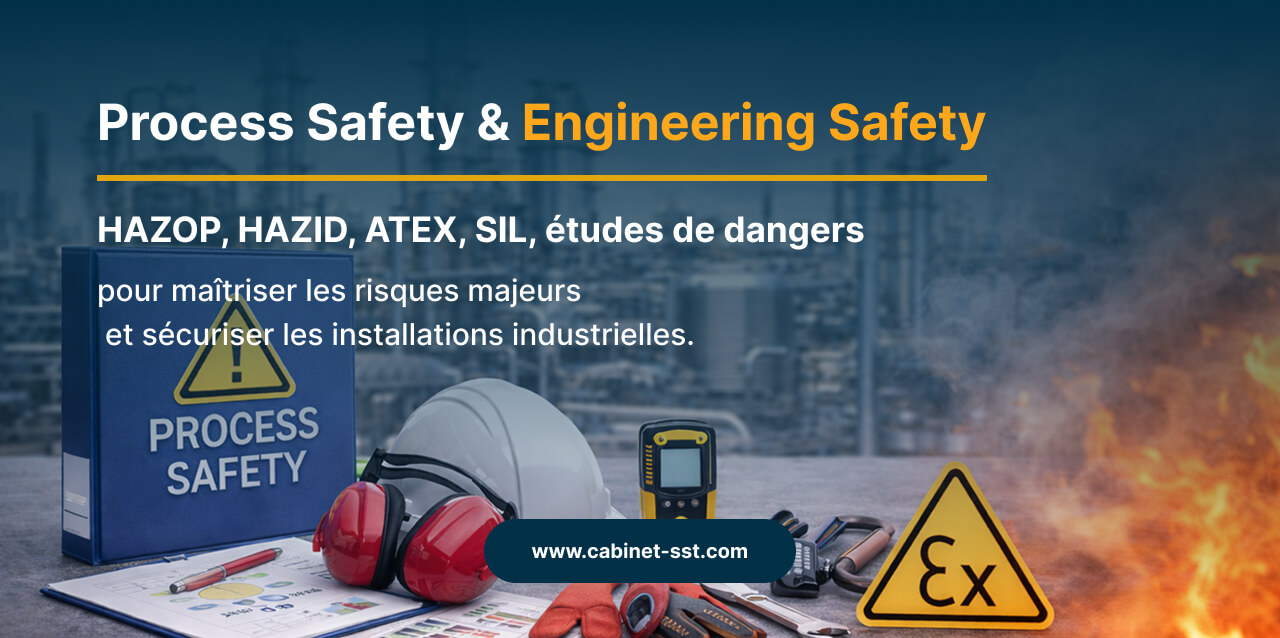
Hazardous zones are classified based on the likelihood and duration of explosive atmospheres:
| Zone | Atmosphere Type | Description |
|---|---|---|
| Zone 0 | Gas | Continuous or long-term presence of explosive gas atmosphere. |
| Zone 1 | Gas | Occasional presence during normal operation. |
| Zone 2 | Gas | Rare and short presence under abnormal conditions. |
| Zone 20 | Dust | Continuous or long-term presence of combustible dust. |
| Zone 21 | Dust | Occasional presence during normal operation. |
| Zone 22 | Dust | Rare and short presence under abnormal conditions. |
Functional Role of an Armoire ATEX
At its core, the main function of an armoire ATEX is to provide a reliable barrier that prevents ignition sources like sparks or high temperatures from interacting with the explosive atmosphere. Additionally, these cabinets protect sensitive electrical components from environmental factors such as dust, humidity, and mechanical damage, ensuring operational continuity and safety.
Challenges and Risks Addressed by Armoire ATEX
Operating in explosion-risk environments presents multiple challenges that organizations must address to secure safety and regulatory compliance. The armoire ATEX directly mitigates some of these key issues.
Ignition Risks from Electrical Equipment
Electrical components, if not properly managed, can generate sparks or heat sufficient to ignite flammable vapors or dust. Standard cabinets lack the structural features to contain or limit such ignition sources, raising the potential for catastrophic explosions.
Complexity of Environmental Conditions
Hazardous zones often experience extreme temperature variations, humidity, and aggressive substances, which can deteriorate conventional equipment enclosures. An unsuitable cabinet may allow ingress of dust or moisture, leading to shorts or sparking inside the enclosure.
Regulatory and Compliance Pressures
Meeting ATEX standards requires detailed documentation, certification, and installation protocols. Failures can result in legal penalties, increased insurance costs, and reputational damage. The use of non-compliant cabinets exposes companies to significant liabilities.
Operational Downtime and Maintenance
Improperly designed or maintained enclosures can cause component failures, triggering unexpected shutdowns in critical processes. Additionally, achieving safe maintenance in hazardous zones often demands stringent procedures, increasing time and cost.
International Standards and Regulations Governing Armoire ATEX
The deployment of an armoire ATEX must comply with a variety of international standards to ensure safety and certification across jurisdictions.
ATEX Directives (Europe)
As explained, the European Union’s ATEX directives provide the core requirements. Equipment placed in the European Economic Area must carry CE marking and appropriate certification proving conformity with ATEX 2014/34/EU.
IECEx Certification
The IECEx system is an internationally recognized certification scheme managed by the International Electrotechnical Commission (IEC), harmonizing global certification for equipment used in explosive atmospheres.
NEC and NFPA Standards (United States)
In the U.S., hazardous location equipment must adhere to standards set by the National Electrical Code (NEC), specifically Articles 500-506, and the National Fire Protection Association (NFPA). Furthermore, the UL (Underwriters Laboratories) certification ensures verification for safety and compliance.
Other Regional Norms
- CSA (Canada): Canadian Standards Association governs hazardous location equipment requirements.
- IEC 60079 series: Widely adopted for explosion protection techniques worldwide.
- INMETRO (Brazil), EAC (Russia), and others provide specific local certification frameworks.
Local Context: Application of Armoire ATEX in France
France, as a member of the European Union, strictly enforces ATEX regulatory frameworks. The country hosts multiple industrial zones where explosive atmospheres are prevalent, creating demand for certified solutions like the armoire ATEX.
Industrial Sectors Requiring Armoire ATEX in France
- Chemical and Petrochemical Plants: Located mainly in regions such as Normandy and the Rhône-Alpes area, these sites handle volatile chemicals and gases.
- Oil Refineries and Storage Facilities: Concentrated in the Fos-sur-Mer and Lavéra industrial hubs.
- Pharmaceutical Industry: Production zones where powder dusts necessitate dust explosion-safe equipment.
- Food Processing: Facilities handling combustible dusts from grains or sugar processing.
- Paint and Coatings Production: Expose workers to flammable vapors requiring containment.
Case Example: Deploying Armoire ATEX in the Fos-sur-Mer Industrial Complex
In the Fos-sur-Mer industrial zone, one of Europe’s most significant petrochemical centers, the installation of armoires ATEX has been crucial to modernize electrical infrastructure safely. With regulations requiring strict adherence, companies have collaborated with Bureau Etude ATEX consultants to design, certify, and deploy explosion-proof cabinets, thereby reducing incidents and downtime.
Methodologies and Approaches for Implementing Armoire ATEX
The successful integration of an armoire ATEX follows a systematic approach encompassing assessment, design, certification, installation, and maintenance stages.
1. Risk Assessment and Zone Classification
Before selecting or designing an armoire ATEX, a thorough risk assessment identifies hazardous zones, types of explosive atmospheres, and operational risks. This process involves on-site measurements, historical data analysis, and consultation with safety experts.
2. Specification and Selection of Cabinets
- Equipment Rating: The armoire must match the zone classification (Zone 1 vs. Zone 2, etc.).
- Material and Structure: Often constructed from stainless steel or coated aluminium for durability and corrosion resistance.
- Ingress Protection (IP): Ratings typically IP65 or higher to assure dust and water tightness.
- Explosion Protection Techniques: Can include flameproof enclosures (Ex d), pressurized enclosures (Ex p), or encapsulation (Ex m).
3. Customization and Integration
Armoires ATEX are frequently customized with internal mounts, ventilation systems, cable glands, and additional protection features tailored to the application and equipment installed.
4. Certification and Documentation
Obtaining an ATEX certificate from accredited bodies along with compliance documentation is crucial. This ensures legal conformity and can facilitate insurance and auditing processes.
5. Installation and Commissioning
The physical installation must respect safety protocols to avoid damage. Specialized technicians often perform commissioning tests to validate installation integrity and performance under live conditions.
6. Preventive Maintenance and Inspection
Routine checks and maintenance extend cabinet life and ensure ongoing safety compliance. Anomalies such as corrosion, seal degradation, or overheating demand immediate corrective action.
Benefits and Impacts of Choosing Armoire ATEX
Adopting an armoire ATEX brings multiple organizational advantages, both tangible and intangible.
Enhanced Safety and Protection
Risk of workplace explosions is mitigated significantly, safeguarding lives and minimizing accident-related losses.
Regulatory Compliance and Market Access
Certified equipment enables companies to meet legal safety requirements, avoid penalties, and maintain operational licenses.
Operational Continuity and Reliability
Durable, explosion-proof enclosures reduce unexpected downtime related to electrical failures or environmental damage.
Cost Efficiency in the Long Run
Though initial costs may be higher, the reduction in accident risks, insurance premiums, and maintenance expenses yield financial benefits over time.
Improved Corporate Image
Commitment to high safety standards enhances company reputation among clients, investors, and regulators.
Case Studies and Use Cases Illustrating Armoire ATEX
Case Study 1: Chemical Processing Plant in Normandy
A major chemical processing facility retrofitted all electrical cabinets in Zone 1 areas with armoires ATEX, leading to zero lost-time incidents over three years. Collaborating with experts from Bureau Etude ATEX ensured the cabinets met all zone classifications and environmental demands.
Case Study 2: Food Manufacturing Facility Handling Grain Dust
A food producer installed explosion-proof cabinets classified for Zone 21, thereby safeguarding critical control systems and preventing dust ignition. The armoire ATEX enabled safer automation upgrades, enhancing production efficiency.
Hypothetical Use Case: Offshore Oil Platform
On an offshore platform exposed to volatile gases, integrating pressurized armoire ATEX systems (Ex p) allowed safe housing of control panels in confined spaces with strict explosion risk, preventing costly shutdowns and ensuring worker protection.
Future Trends and Perspectives for Armoire ATEX
The evolution of explosion protection equipment such as the armoire ATEX is shaped by technological advancements, regulatory updates, and digital transformation.
Integration of Smart Technologies
Future armoires ATEX are expected to integrate sensors to monitor temperature, humidity, and potential faults in real time, enabling predictive maintenance and enhanced safety through IoT connectivity.
Lightweight and Sustainable Materials
Innovations in materials science promise stronger yet lighter cabinets that reduce installation costs and environmental impact.
Global Harmonization of Standards
Efforts toward aligning ATEX, IECEx, and other regional directives will simplify certification processes and open new markets for compliant equipment.
Enhanced Customization and Modular Designs
Modular armoire ATEX systems will facilitate easier upgrades, scalability, and onsite adaptability to varied industrial needs.
Conclusion
The armoire ATEX stands as a fundamental component in the safety architecture of hazardous industrial environments. By understanding its principles, addressing related challenges, complying with rigorous international and local standards, and adopting structured implementation methodologies, organizations can safeguard their assets and workforce effectively.
With growing regulatory pressure and evolving industry needs, incorporating state-of-the-art explosion-proof cabinets remains indispensable for sectors ranging from chemical processing to food manufacturing. Partnering with specialized experts, such as those offered by Bureau Etude ATEX, ensures that project execution is both compliant and optimized for operational efficiency.
If your organization operates in explosion-risk environments and you seek tailored advice or support on selecting and implementing the right armoire ATEX solutions, do not hesitate to reach out for expert guidance and comprehensive consulting services.