

Introduction: Understanding the Importance of l’approche processus ISO 45001
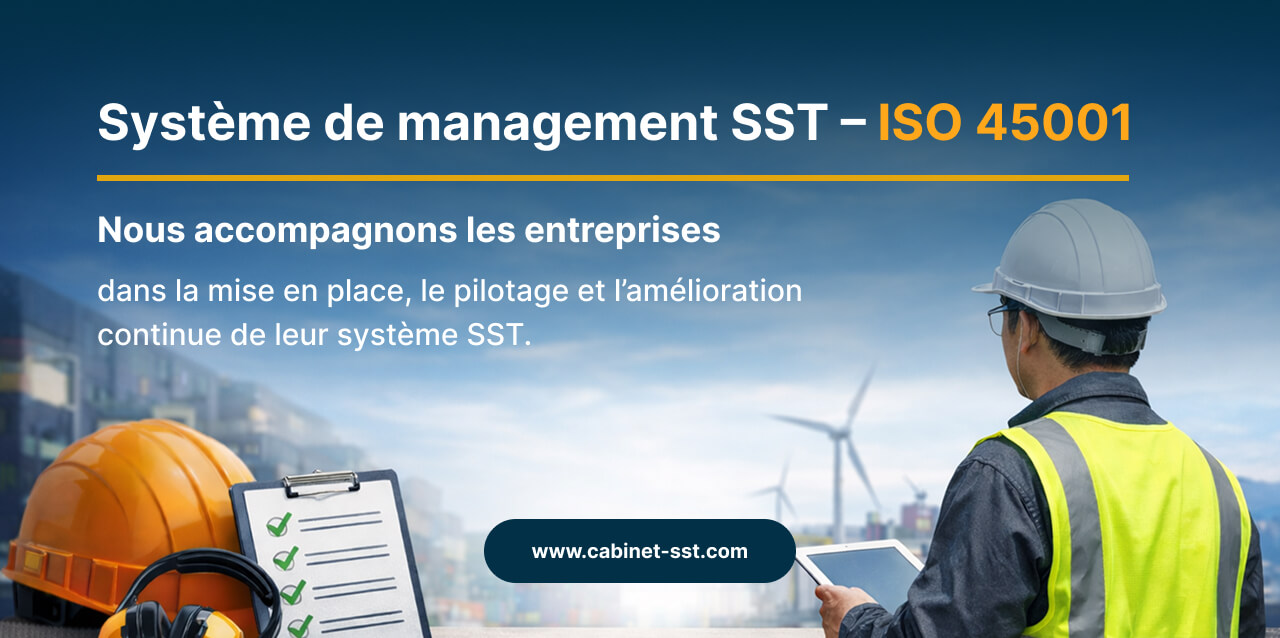
In today’s dynamic business environment, companies must prioritize occupational health and safety to protect their workforce and ensure sustainable operations. The approche processus ISO 45001 plays a crucial role in establishing a robust Occupational Health and Safety Management System (OHSMS) that systematically manages risks, complies with regulations, and fosters a culture of safety. This approach is fundamental for organizations aiming for excellence in their safety performance, regulatory compliance, and business continuity.
Implementing ISO 45001 is not only about meeting regulatory requirements but also about embedding health and safety into the core processes of an organization. This makes the mise en place ISO 45001 a strategic imperative for industries aiming to minimize workplace risks, improve operational efficiency, and boost employee morale.
Key Concepts & Definitions: What is l’approche processus ISO 45001?

The term approche processus ISO 45001 refers to the process-based approach embedded in the ISO 45001 standard, designed for occupational health and safety management systems. Unlike traditional safety management, this approach emphasizes understanding, managing, and improving processes to prevent injuries and occupational illnesses proactively.
Key principles of the approche processus ISO 45001 include:
- Risk Identification and Assessment: Recognizing potential hazards associated with workplace processes and evaluating their impact.
- Integration with Business Processes: Incorporating safety management into the organization’s overall processes to ensure alignment with business objectives.
- Continuous Improvement: Applying the Plan-Do-Check-Act (PDCA) cycle to enhance the effectiveness of health and safety management.
- Leadership Commitment: Ensuring top management drives the safety culture and supports process improvements.
ISO 45001’s process-based approach requires organizations to map out their key activities, identify interactions, and manage these processes systematically to mitigate risks. This leads to a proactive rather than reactive approach to occupational health and safety.
Challenges & Risks Addressed by l’approche processus ISO 45001
Workplaces across various industries face numerous challenges concerning occupational safety, many of which are rooted in poorly managed processes. The approche processus ISO 45001 helps organizations tackle several key issues:
- Complex Risk Environments: Industrial operations often involve multiple overlapping hazards that require systematic management.
- Non-compliance Penalties: Failure to meet health and safety regulations can result in legal sanctions, fines, and damaged reputations.
- Inefficient Processes: Fragmented safety procedures can lead to inconsistent practices and increased accidents.
- Resistance to Safety Culture: Employees and management may resist changes unless there is a clear, process-driven approach that shows tangible benefits.
By applying the approche processus ISO 45001, organizations are better equipped to systematically identify hazards, control risks, and respond effectively to incidents, drastically reducing workplace accidents and improving safety culture.
International Standards & Regulations Governing Occupational Health and Safety

The adoption of the approche processus ISO 45001 aligns with a broader global movement toward standardized occupational health and safety practices. ISO 45001 is an internationally recognized standard developed by the International Organization for Standardization (ISO) to replace the previous OHSAS 18001 framework.
ISO 45001 emphasizes a holistic, process-driven approach that integrates easily with other management system standards such as ISO 9001 (Quality Management) and ISO 14001 (Environmental Management).
| Standard / Regulation | Scope | Relation to ISO 45001 |
|---|---|---|
| ISO 45001 | Occupational Health & Safety Management | Primary global standard emphasizing process approach and risk management |
| ILO Guidelines on Occupational Safety and Health | International Labor safety and health protocols | Supporting guidelines promoting decent work conditions globally |
| Local Regulations (e.g., French Code du Travail) | National health and safety laws | Sets mandatory compliance requirements, complementing ISO 45001 frameworks |
Organizations globally adopt the approche processus ISO 45001 to ensure compliance and leverage best practices. ISO 45001’s risk-based framework is designed to be adaptable, making it relevant beyond geographical boundaries.
Applying l’approche processus ISO 45001 in the French Context
France presents a distinctive regulatory environment where the mise en place ISO 45001 can be strategically aligned with the Labor Code (Code du Travail) and related health and safety directives. French industries, from heavy manufacturing in regions like Normandy to high-tech hubs around Paris, benefit greatly from process-based safety management.
Prominent sectors adopting ISO 45001 and the process approach include:
- Automotive manufacturing and aerospace in Île-de-France and Occitanie
- Chemical and pharmaceutical industries in Grand Est
- Food production in Brittany and Pays de la Loire
- Construction and civil engineering nationwide
The integration of the approche processus ISO 45001 with French legal obligations fosters a culture where businesses do not just comply with the law but strive toward operational excellence and risk mitigation.
Methodologies & Approaches: Implementing l’approche processus ISO 45001
The approche processus ISO 45001 requires a disciplined and phased implementation. Here is a structured approach suitable for organizations embarking on the mise en place ISO 45001:
- Gap Analysis and Process Mapping: Identify existing processes affecting occupational health and safety and areas requiring improvement.
- Leadership Engagement: Secure commitment from top management to ensure resources and support.
- Risk and Opportunity Assessment: Analyze hazards, assess risks, and identify opportunities within operational processes.
- Documentation and Procedures: Develop or revise policies, procedures, and process documentation reflecting the safety management system.
- Training and Awareness: Equip employees at all levels with knowledge and competencies to embed safety processes.
- Monitoring and Measurement: Use performance indicators and audits to track process effectiveness.
- Continuous Improvement: Apply the PDCA cycle to refine processes and improve safety outcomes consistently.
Integration of digital tools and management software has accelerated the efficient application of the approche processus ISO 45001 by enabling real-time monitoring and data-driven decision-making.
Benefits & Impacts of the approche processus ISO 45001
Adopting the process-based approach in ISO 45001 implementation delivers multiple tangible benefits:
- Enhanced Risk Management: Systematic identification and control of hazards minimizes workplace incidents.
- Regulatory Compliance: Facilitates adherence to local and international occupational health standards, reducing legal risks.
- Improved Operational Efficiency: Streamlining safety as an integral process reduces downtime due to accidents.
- Employee Engagement and Morale: Safety-focused culture promotes workforce well-being and productivity.
- Financial Savings: Lower accident rates reduce costs related to compensation, insurance, and process disruptions.
In a competitive market, the approche processus ISO 45001 enhances corporate reputation, attracting customers and partners who prioritize sustainable and responsible business practices.
Case Studies & Use Cases of l’approche processus ISO 45001
To illustrate the impact of the approche processus ISO 45001, consider these hypothetical yet realistic examples:
Case Study 1: Automotive Manufacturer in Île-de-France
A major automotive supplier integrated the process approach to map every stage of their assembly line. By implementing ISO 45001, they systematically identified process-related risks such as repetitive strain injuries and chemical exposure. The company introduced controls aligned with the process flow, reducing workplace injuries by 40% within the first year.
Case Study 2: Pharmaceutical Plant in Grand Est
A pharmaceutical company faced challenges with compliance to stringent hygiene and safety standards. Employing the approche processus ISO 45001, they documented critical processes, introduced robust employee training, and established monitoring mechanisms. The result was minimal incident downtime and improved audit outcomes, reinforcing their market position.
Use Case: Construction Firm Adapting to New Projects
A construction firm managing multiple sites employed the process-based approach to standardize health and safety controls across projects. The approach facilitated rapid adaptation when new hazards emerged, ensuring consistent management, and reduced site accident rates by 30%.
Future Trends & Perspectives in the Approche Processus ISO 45001
The landscape of occupational health and safety management is evolving rapidly, with the approche processus ISO 45001 at the forefront of innovation and adaptation. Emerging trends include:
- Digital Transformation: Use of AI, IoT sensors, and predictive analytics to enhance process monitoring and hazard detection.
- Integration with Sustainability Goals: Combining health and safety processes with environmental and social governance (ESG) strategies to achieve holistic corporate responsibility.
- Focus on Mental Health: Expanding process approach to include psychosocial risks and employee well-being.
- Global Harmonization: Increased alignment of ISO 45001 with international labor standards to streamline multinational operations.
Organizations embracing these future directions through the process approach will remain resilient, sustainable, and competitive.
Conclusion: Why Adopting the Approche Processus ISO 45001 is Essential
The approche processus ISO 45001 represents a transformational shift in occupational health and safety management by embedding risk management into core business processes. Adopting this approach through effective mise en place ISO 45001 not only protects workers and ensures regulatory compliance but also drives operational excellence and long-term business success.
For organizations in France or worldwide, leveraging the structured methodologies and continuous improvement frameworks of ISO 45001 empowers them to proactively manage risks, reduce workplace incidents, and foster a resilient safety culture.
To learn more about how to implement this process-based approach and optimize your occupational health and safety management system, we invite you to contact us for expert guidance and tailored consulting services.