

Introduction: Understanding the Importance of the Référentiel ISO 45001
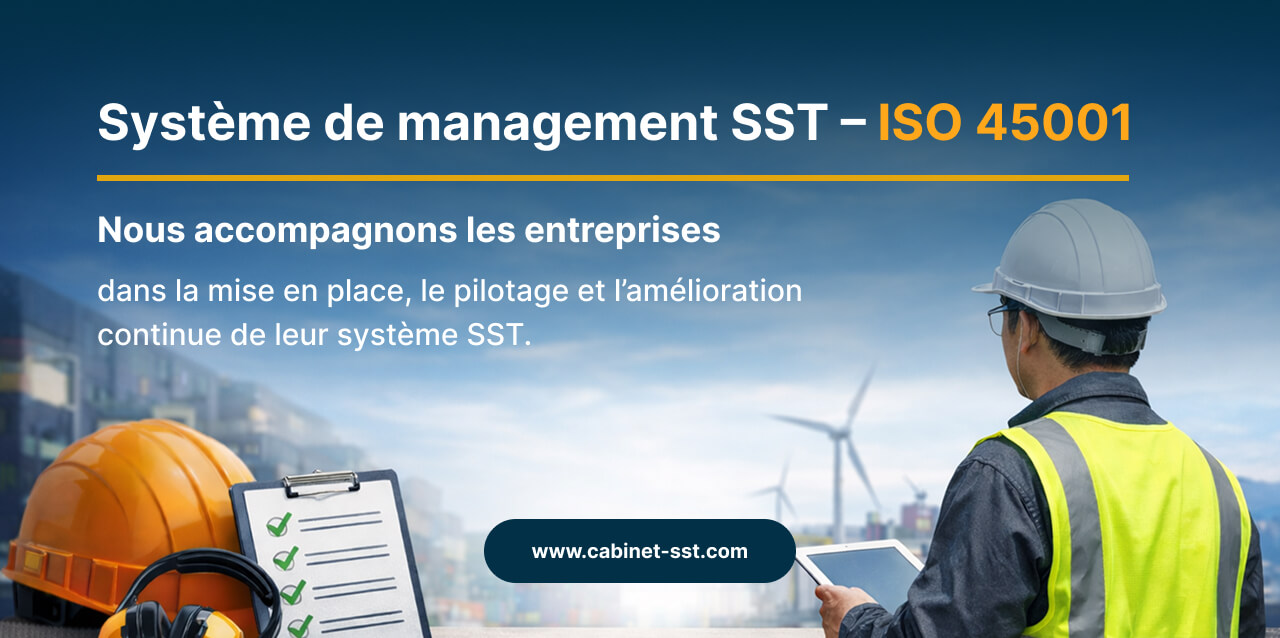
In the modern corporate landscape, ensuring workplace safety and employee well-being is not just a regulatory requirement but a strategic imperative for organizations. The référentiel ISO 45001 stands as a globally recognized framework aimed at helping businesses systematically manage occupational health and safety risks. Implementing this standard enables companies to enhance their safety performance, meet legal obligations, and build a culture of proactive risk management.
Organizations seeking to embed robust health and safety practices must comprehend the imperative role of the référentiel ISO 45001. This article provides a comprehensive guide to this international occupational health and safety management system standard, its core principles, challenges it addresses, methodologies for implementation, and tangible benefits that arise from its adoption.
Key Concepts & Definitions: Breaking Down the Référentiel ISO 45001

To grasp the full value of the référentiel ISO 45001, it is essential to understand its foundational concepts and terminology.
- ISO 45001: An international standard designed to help organizations establish an effective Occupational Health and Safety Management System (OHSMS).
- Référentiel: This term refers to a reference framework or guideline. In this context, it means the structured criteria of ISO 45001 applied by organizations.
- Occupational Health and Safety (OHS): This pertains to the policies, procedures, and measures implemented to prevent workplace injuries, illnesses, and fatalities.
- Risk Management: The systematic process of identifying, analyzing, and controlling hazards to reduce the likelihood and impact of incidents.
- Continuous Improvement: A key principle of ISO 45001 focused on persistently enhancing occupational health and safety performance.
The référentiel ISO 45001 encourages a proactive approach to health and safety, moving beyond mere compliance to embedding risk-conscious culture within organizational operations.
Challenges & Risks Addressed by the Référentiel ISO 45001
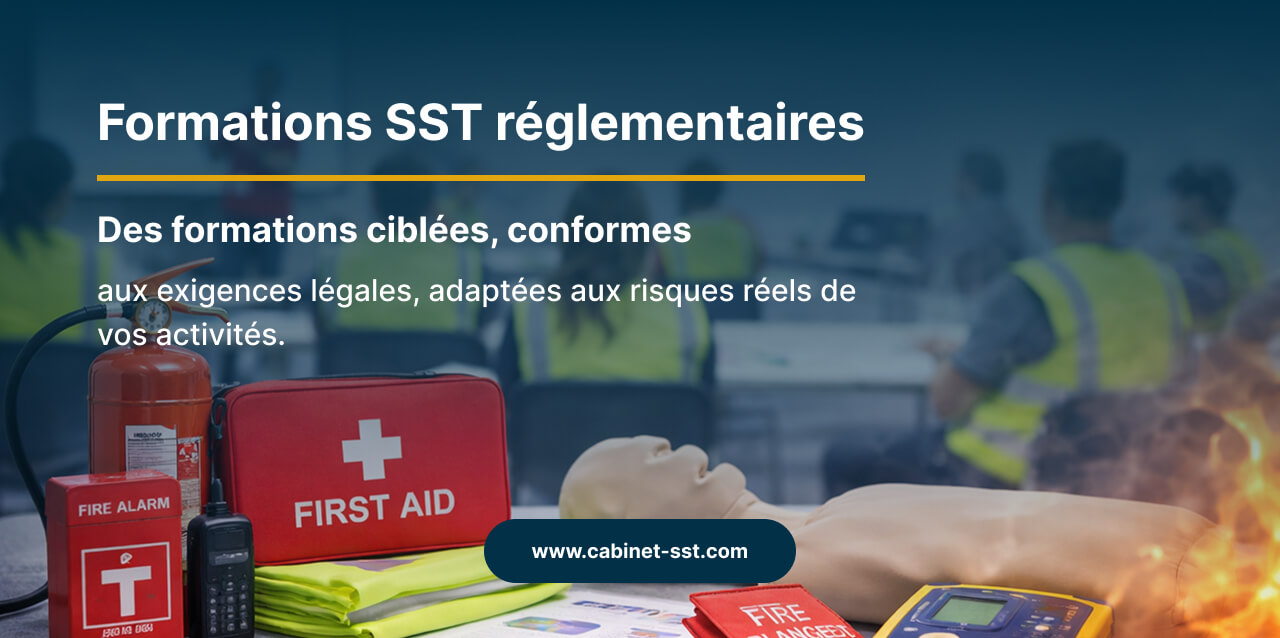
Workplace hazards and non-compliance with health and safety regulations expose companies to operational disruptions, legal penalties, reputational damage, and human suffering. The référentiel ISO 45001 addresses several challenges, including:
- Hazard Identification: Many organizations struggle with systematically identifying all potential sources of hazards.
- Risk Assessment and Control: Ineffective processes for evaluating the severity and likelihood of risks impede proper controls.
- Insufficient Employee Engagement: Without employee involvement, safety initiatives often fail, reducing effectiveness.
- Non-Compliance and Legal Liability: Organizations risk fines and litigation when failing to meet occupational health and safety requirements.
- Lack of Continuous Monitoring and Improvement: Static safety management leads to repeated incidents and missed opportunities for enhancement.
The référentiel ISO 45001 equips organizations to overcome these hurdles through structured frameworks, defined responsibilities, and ongoing review mechanisms.
International Standards & Regulations: Positioning ISO 45001 within Global Frameworks

The référentiel ISO 45001 is the first globally recognized Occupational Health and Safety Management System standard published by the International Organization for Standardization (ISO) in 2018. It supersedes earlier standards such as OHSAS 18001, harmonizing practices on an international scale.
ISO 45001 aligns with other management system standards, including ISO 9001 (Quality Management) and ISO 14001 (Environmental Management), facilitating integration for organizations pursuing multiple certifications. It encompasses best practices derived from international labor conventions and standards from bodies like the International Labour Organization (ILO).
Key features within the standard include:
- Risk-based thinking to proactively prevent incidents.
- Leadership commitment to foster a culture of safety.
- Worker participation and consultation at all levels.
- Continual improvement of safety performance.
This global perspective ensures that companies adhering to the référentiel ISO 45001 meet universally accepted benchmarks for occupational health and safety.
Local Context: Implementing the Référentiel ISO 45001 in France
Within France, the référentiel ISO 45001 must be applied in harmony with national occupational health and safety frameworks governed by the Code du Travail and regulations set forth by the Ministry of Labour. Workplace safety culture is deeply rooted in French labor law, emphasizing employer obligations to ensure employee well-being.
Industries such as manufacturing hubs in the Auvergne-Rhône-Alpes region, automotive plants in Île-de-France, and industrial zones in Hauts-de-France stand to benefit immensely from structured ISO 45001 implementations due to their inherently high-risk environments.
Furthermore, French companies engaged in export markets regard ISO 45001 compliance as a mark of excellence that enhances their competitiveness internationally. Examples include:
- Automotive sector players implementing ISO 45001 to reduce workplace accidents while ensuring compliance with stringent international market requirements.
- Construction companies leveraging the référentiel ISO 45001 to manage risks inherent to site operations and improve subcontractor safety awareness.
- Logistics and warehousing firms adopting occupational health measures aligned with ISO 45001 to reduce manual handling injuries and create safer environments.
These contextual applications highlight the versatile nature of the référentiel ISO 45001 across diverse French industries.
Methodologies & Approaches for Effective Mise en Place ISO 45001
The successful mise en place iso 45001 requires a systematic, phased approach that integrates with an organization’s strategic objectives and operational realities. Typical steps include:
- Gap Analysis: Assess current health and safety management practices against ISO 45001 requirements to identify areas for improvement.
- Leadership Engagement: Secure top management commitment to allocate resources and establish clear safety policies.
- Risk Identification and Evaluation: Conduct detailed hazard analyses and risk assessments covering all operational processes.
- Developing Framework and Procedures: Draft policies, procedures, and objectives aligned with ISO 45001 clauses.
- Employee Training and Involvement: Educate and empower staff to recognize risks and participate actively in safety initiatives.
- Monitoring and Measuring Performance: Implement tools and indicators to track safety metrics and uncover improvement opportunities.
- Internal Audits and Management Review: Regularly assess system effectiveness and drive continuous improvement.
- Certification Preparation: Engage accredited certification bodies to validate conformity to référentiel ISO 45001.
This structured methodology ensures a coherent and sustainable occupational health and safety management system that can adapt over time.
Integration with Other Management Systems
Many organizations pursue integration of the référentiel ISO 45001 with other standards such as ISO 9001 and ISO 14001 to create an Integrated Management System (IMS). Benefits of this approach include streamlined processes, reduced audit duplication, and enhanced alignment of organizational objectives.
Benefits & Impacts of the Référentiel ISO 45001
Embracing the référentiel ISO 45001 offers substantial advantages across multiple dimensions:
| Benefit Category | Details |
|---|---|
| Organizational | Enhanced corporate image as a responsible employer and improved stakeholder confidence. |
| Operational | Reduction of workplace accidents and incidents leading to fewer disruptions and higher productivity. |
| Financial | Lower insurance premiums, reduced downtime costs, and avoidance of regulatory fines. |
| Safety and Health | Improved employee morale and well-being, creating a safer, more engaged workforce. |
The direct correlation between ISO 45001 implementation and reduced workplace incidents has been documented globally, reflecting the standard’s efficacy.
Case Studies & Use Cases: Illustrating Référentiel ISO 45001 in Action
Case Study 1: Manufacturing Plant in Lyon
A medium-sized manufacturing company in Lyon successfully applied the référentiel ISO 45001 framework to overhaul its safety management system. Initially facing a high rate of minor incidents, the systematic risk analysis and employee involvement initiatives led to a 40% reduction in accidents within one year. Leadership commitment and rigorous internal audits enhanced compliance and fostered a safety-first culture.
Case Study 2: Construction Firm in Île-de-France
In the competitive construction sector, a firm employed the référentiel ISO 45001 to address high site accident rates. By implementing structured training programs, detailed hazard mapping, and real-time incident reporting, the company achieved certification within 18 months, improving subcontractor engagement and winning new contracts due to its demonstrated commitment to safety standards.
Use Case: Logistics Company Integrating ISO Standards
A logistics provider integrated ISO 45001 within its existing ISO 9001 and ISO 14001 system to create an integrated platform managing quality, environmental, and occupational health concerns. This holistic approach streamlined management efforts and improved overall operational risk profiling.
Future Trends & Perspectives: The Evolution of Occupational Health and Safety Management
The sphere of occupational health and safety is continuously evolving, influenced by technological advancements and regulatory developments. Anticipated trends related to the référentiel ISO 45001 include:
- Digitalization of Safety Management: Increasing use of IoT sensors, AI-driven risk analytics, and mobile apps for real-time monitoring and incident reporting.
- Focus on Psychosocial Risks: Expansion of safety culture to include mental health and workplace well-being challenges alongside traditional physical hazards.
- Integration with ESG Goals: Occupational health and safety becoming a vital factor in meeting Environmental, Social, and Governance (ESG) criteria.
- Global Harmonization: Continued convergence of health and safety standards facilitating multinational compliance and benchmarking.
Organizations proactive in adapting to these trends through the référentiel ISO 45001 will position themselves as leaders in workplace safety and sustainability.
Conclusion: Take the Next Step with Référentiel ISO 45001
The référentiel ISO 45001 serves as a strategic tool enabling organizations to protect their most valuable asset—their workforce. Its clear structure, international recognition, and tangible benefits make it an essential element of modern business strategy. By embracing the principles and methodologies outlined, companies can reduce risks, improve compliance, and foster a culture of continual health and safety improvement.
For organizations seeking expert assistance in the mise en place iso 45001, professional guidance is available to tailor implementation strategies that meet specific operational needs and regulatory requirements. Investing in a certified occupational health and safety management system is not only a compliance measure but a catalyst for sustainable success.
Contact us today for dedicated support in achieving and maintaining ISO 45001 certification, ensuring your organization remains resilient, compliant, and safe.