

Introduction
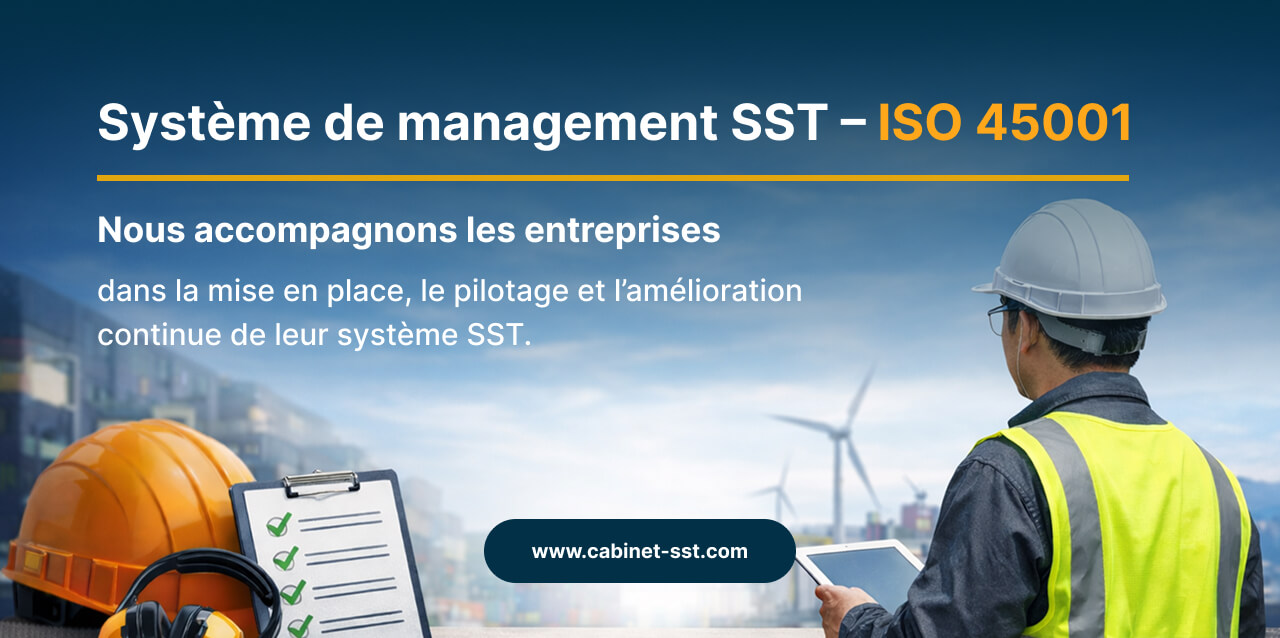
In today’s global business landscape, the health and safety of employees have become paramount concerns for organizations. In Morocco, the iso 45001 maroc standard is gaining rapid importance as a structured framework for occupational health and safety management systems (OHSMS). This standard helps businesses establish robust processes to prevent workplace injuries, ensure legal compliance, and enhance operational performance. The mise en place iso 45001 is a critical initiative for Moroccan companies aiming to foster a safer work environment and demonstrate their commitment to employee well-being.
The significance of iso 45001 maroc cannot be overstated, especially in industrial sectors where the risk of accidents is elevated. By adopting this international standard, organizations not only reduce workplace hazards but also improve their corporate reputation and gain competitive advantages domestically and internationally. This article explores the fundamental principles of ISO 45001, its application in the Moroccan context, challenges faced during implementation, and the tangible benefits it delivers to businesses seeking sustainable growth.
Key Concepts & Definitions of ISO 45001

ISO 45001 is an internationally recognized standard developed by the International Organization for Standardization (ISO) that specifies requirements for an effective occupational health and safety (OH&S) management system. It aims to help organizations proactively improve employee safety, reduce risks, and create better, safer working conditions.
The iso 45001 maroc framework shares the core principles of the global ISO 45001 standard, including:
- Leadership and worker participation: Top management is responsible for integrating OH&S into business strategies, while encouraging employee involvement at all levels.
- Risk identification and assessment: Systematic processes identify hazards and assess risks to mitigate potential incidents.
- Legal and regulatory compliance: Organizations must comply with applicable health and safety laws and standards in Morocco.
- Continuous improvement: The system requires regular evaluation and iterative improvements for sustained effectiveness.
- Context of the organization: Understanding internal and external factors influencing OH&S performance.
The term mise en place iso 45001 refers to the practical process of implementing these principles within a company, from initial gap analysis to certification and ongoing management. It is a structured approach to align safety objectives with business goals while fulfilling legal and ethical responsibilities.
Challenges & Risks Addressed by ISO 45001 Maroc
- Lack of systematic hazard control: Without a clear framework, many workplaces struggle to consistently identify and mitigate risks.
- Non-compliance with regulations: Inadequate awareness or complexity of OH&S legislation can lead to legal penalties and reputational damage.
- High accident and injury rates: Certain sectors like construction, manufacturing, and mining have historically recorded elevated workplace incidents.
- Insufficient employee engagement: Lack of participation in safety initiatives reduces their effectiveness.
- Resource constraints: Smaller businesses often have limited capacity to develop comprehensive health and safety systems.
The implementation of ISO 45001 in Morocco addresses these risks by establishing a standardized model that promotes risk-informed decision-making and collaborative health and safety culture. It enables companies to anticipate, prevent, and manage workplace hazards, significantly reducing the cost and human impact of accidents.
International Standards & Regulations

ISO 45001 replaces the earlier OHSAS 18001 standard and aligns with ISO’s High-Level Structure (HLS), which provides consistency and compatibility with other ISO management system standards such as ISO 9001 (quality) and ISO 14001 (environment). This integration facilitates holistic management systems catering to quality, environmental impact, and occupational safety simultaneously.
Globally, ISO 45001 is recognized as the premier occupational health and safety standard, supported by organizations including the International Labour Organization (ILO) and World Health Organization (WHO). It forms part of a comprehensive set of guidelines and best practices that help organizations implement effective OH&S strategies across diverse industries.
In addition to ISO 45001, other important frameworks include:
- ILO Conventions and Recommendations: Wide range of labor and safety standards applicable internationally.
- National legislation: Health and safety laws vary by country but set mandatory requirements organizations must meet.
- Industry-specific guidelines: Specialized sectors such as oil & gas, mining, and construction often have tailored standards.
Local Context: ISO 45001 in Morocco
The adoption of iso 45001 maroc is increasingly essential due to Morocco’s dynamic economic growth, expanding industrial base, and evolving labor regulations. The Moroccan legal framework governing occupational health and safety includes:
- Loi n° 65-99 relative au Code du Travail: Addresses work conditions, occupational safety, and employer responsibilities.
- Dahir n° 1-03-194: Focus on health regulations and accident prevention mechanisms.
- Ministry of Employment and Professional Integration policies: Oversee compliance and promotion of safety standards.
Morocco’s industrial landscape is concentrated in several key sectors and zones, making iso 45001 maroc implementation uniquely challenging and rewarding:
- Textiles and apparel manufacturing: A major employer with notable occupational risks related to machinery and repetitive strain.
- Automobile assembly and aerospace: Companies clustered around Casablanca and Tangier industrial zones.
- Phosphate mining and chemical industries: Require stringent safety due to hazardous materials.
- Construction and infrastructure development: Fast-growing urban projects across Moroccan cities.
For example, a Casablanca-based manufacturing plant implementing ISO 45001 significantly reduced lost time injuries within the first year by formalizing hazard control measures and employee training programs. This real-world success highlights the importance of tailored mise en place iso 45001 strategies aligned with local risks and regulatory frameworks.
Methodologies & Approaches to Mise en Place ISO 45001
Implementing ISO 45001 in Morocco requires a phased, systematic approach. Businesses can follow these key steps to ensure successful mise en place iso 45001:
- Initial Gap Analysis: Assess the current status of OH&S practices against ISO 45001 requirements to identify areas for improvement.
- Leadership Commitment: Secure top management buy-in to allocate resources and drive cultural change.
- Stakeholder Engagement: Communicate with employees, contractors, and suppliers to foster involvement and awareness.
- Risk Assessment and Hazard Identification: Use tools such as risk matrices and job hazard analyses to evaluate workplace risks.
- Policy Development: Establish clear occupational health and safety policies aligned with organizational objectives.
- Training and Competence: Educate workers and managers on safety procedures and emergency preparedness.
- Documentation and Recordkeeping: Develop procedural manuals, incident logs, and audit trails to demonstrate compliance.
- Internal Audits and Corrective Actions: Monitor OH&S performance regularly to identify non-conformities and implement improvements.
- Certification Audit: Engage certified bodies to verify compliance and obtain ISO 45001 certification.
- Continuous Improvement: Establish feedback loops for ongoing risk management and enhancement.
Throughout each stage, organizations should emphasize transparent communication and the active participation of all workforce levels. Adopting digital tools and management software can also streamline tracking and reporting processes, increasing efficiency.
Benefits & Impacts of ISO 45001 Maroc Implementation
Implementing iso 45001 maroc delivers multifaceted benefits that catalyze organizational excellence. Key advantages include:
| Benefit Category | Impact |
|---|---|
| Health & Safety | Reduction in workplace accidents, injuries, and illnesses resulting in safer working environments. |
| Legal Compliance | Robust adherence to Moroccan labor laws and international standards minimizing risk of penalties. |
| Operational Efficiency | Streamlined processes reduce downtime and improve productivity by proactively managing hazards. |
| Financial Performance | Lower compensation claims and insurance costs, plus improved cost control through risk mitigation. |
| Corporate Reputation | Enhanced brand image and stakeholder trust with demonstrated commitment to employee welfare. |
Additionally, the mise en place iso 45001 encourages a culture of continuous improvement and employee empowerment, which can positively influence staff morale and retention. Organizations benefit from a proactive rather than reactive approach to occupational health and safety, reducing the long-term human and financial costs associated with workplace incidents.
Case Studies & Use Cases
Case Study 1: Industrial Manufacturing Plant in Tangier
A leading automotive parts manufacturer in Tangier faced frequent safety incidents due to machinery hazards. Through comprehensive mise en place iso 45001 strategies—such as risk assessments, employee safety committees, and regular training—they achieved ISO 45001 certification within 18 months. This resulted in a 40% reduction in accidents and improved compliance with Moroccan labor laws.
Case Study 2: Construction Company in Casablanca
This medium-sized construction firm integrated ISO 45001 principles into their project management systems to address the high-risk nature of construction work in urban areas. Their approach included detailed hazard identification at project sites, implementation of personal protective equipment (PPE) protocols, and monitoring through digital safety dashboards. The results were a marked decrease in onsite accidents and positive client feedback related to safety standards.
Use Case: Mining Sector Hazard Control
Mining companies in Morocco can leverage ISO 45001 to systematically manage exposure to chemical and physical hazards such as dust, noise, and heavy equipment. By adopting risk-based controls and worker engagement programs within the mise en place iso 45001 framework, mining operations can reduce accident rates and enhance compliance with both local laws and international expectations.
Future Trends & Perspectives in ISO 45001 Maroc
As Morocco’s industrial sectors develop and global emphasis on environmental, social, and governance (ESG) criteria rises, the role of iso 45001 maroc will continue to expand. Emerging trends poised to influence occupational health and safety management include:
- Digital Transformation: Increased adoption of IoT sensors, wearable safety devices, and AI-driven analytics will enhance real-time risk monitoring and reporting.
- Integration with Other Management Systems: Businesses will increasingly combine ISO 45001 with quality (ISO 9001) and environmental (ISO 14001) management for comprehensive sustainability.
- Focus on Mental Health: Occupational health will broaden to include psychological safety and well-being, influenced by evolving workplace dynamics.
- Stronger Regulatory Enforcement: Moroccan authorities are expected to tighten inspections and penalties, raising the bar for OH&S compliance.
- Customization for SMEs: Tailored ISO 45001 implementation packages will emerge to address the unique resource constraints of small and medium enterprises.
Companies that anticipate and adapt to these shifts by prioritizing robust mise en place iso 45001 frameworks will be well-positioned for long-term resilience and success in the Moroccan market and beyond.
Conclusion
The adoption and implementation of iso 45001 maroc is an investment in sustainable business growth and a safer workplace. This international occupational health and safety standard provides Moroccan organizations with a thorough, proactive methodology to identify, manage, and reduce workplace risks. Whether in manufacturing, construction, mining, or service sectors, the advantages of embracing mise en place iso 45001 encompass improved legal compliance, operational performance, employee well-being, and corporate reputation.
Facing complex industrial challenges and evolving regulations, Moroccan businesses that prioritize ISO 45001 certification demonstrate leadership and responsibility that appeal to clients, investors, and employees alike. To successfully navigate the process of implementation, from gap analysis through certification and continuous improvement, expert guidance and structured support are invaluable.
For organizations seeking comprehensive assistance with their iso 45001 maroc journey, including tailored consultancy and implementation services, we invite you to reach out to our team. We provide expert mise en place iso 45001 support designed to help Moroccan companies build safer, more resilient workplaces that meet international standards.