

Introduction
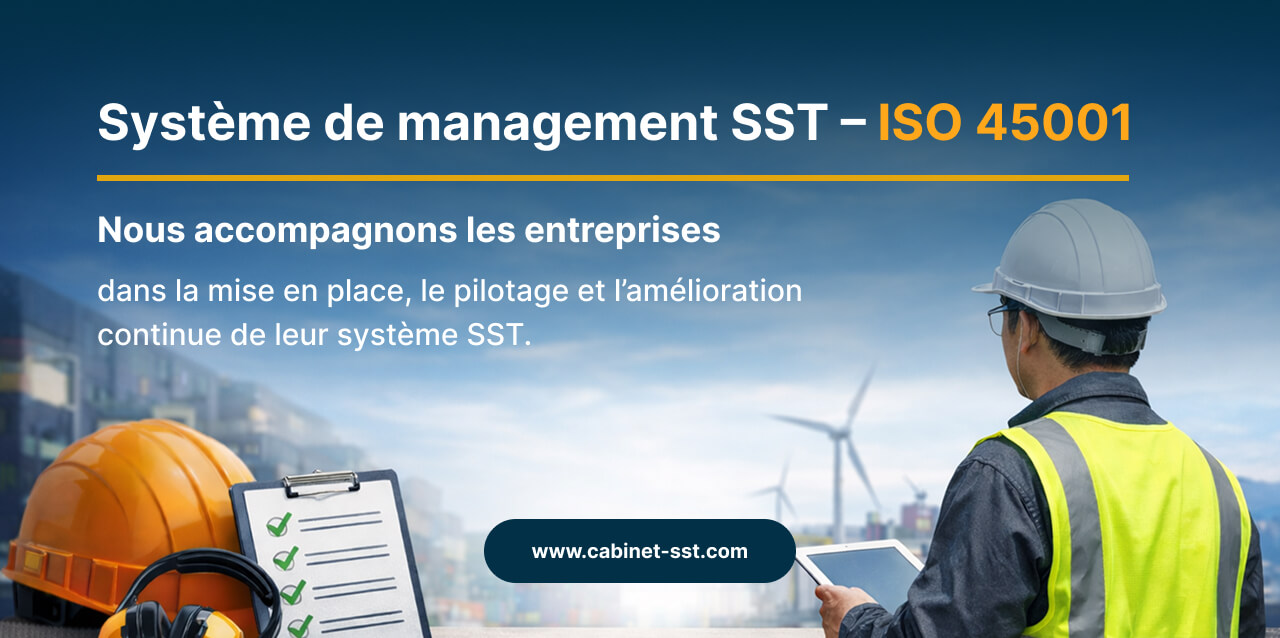
In today’s competitive and rapidly evolving business environment, ensuring the health and safety of employees is not merely a regulatory requirement but a strategic imperative. Organizations across all sectors strive to implement robust systems that safeguard workers while optimizing operational efficiency and compliance. One of the most effective frameworks for achieving this goal is ISO 45001, the international standard for occupational health and safety management systems (OHSMS).
Implementing ISO 45001 involves a comprehensive approach where a checklist ISO 45001 serves as a vital tool. This checklist helps organizations systematically address every critical element of the standard, ensuring thorough preparation, compliance, and continuous improvement. This article delves deeply into the concept of a checklist ISO 45001, its importance in the context of mise en place ISO 45001, and practical insights to facilitate effective implementation.
Key Concepts & Definitions

What is ISO 45001?
ISO 45001 is an international standard developed by ISO (International Organization for Standardization) designed to help organizations provide a safe and healthy workplace by preventing work-related injury and ill health. It offers a structured framework for managing occupational health and safety risks and promoting a culture of continuous improvement.
Defining the Checklist ISO 45001
A checklist ISO 45001 is a structured list of requirements and practices derived from the standard’s clauses and annexes. It guides organizations through all necessary steps, from initial gap analysis to documentation, implementation, and evaluation of the health and safety management system. This tool ensures none of the essential elements are overlooked during the complex process of ISO 45001 certification.
Main Principles of ISO 45001
- Leadership and worker participation: Active engagement of both management and workforce to drive improvement.
- Risk-based thinking: Identification and mitigation of workplace risks and opportunities.
- Continuous improvement: Ongoing enhancement of occupational health and safety performance.
- Context of the organization: Understanding internal and external factors affecting safety outcomes.
- Compliance obligations: Adherence to legal and other requirements.
Challenges & Risks Addressed by ISO 45001

The workplace environment often involves numerous hazards—physical, chemical, biological, ergonomic—that can jeopardize employees’ well-being. Without systematic management, risks can lead to accidents, occupational diseases, financial losses, and reputational damage. Here are key challenges addressed by a comprehensive checklist ISO 45001 during implementation:
- Identifying hidden risks: Some hazards are not immediately apparent; the checklist helps uncover such latent threats.
- Fragmented processes: Without integration, health and safety measures can be inconsistent or duplicated.
- Compliance complexities: Navigating multifaceted legal and regulatory requirements within various jurisdictions.
- Lack of employee engagement: Overcoming resistance or low awareness among staff to participate in safety programs.
- Documentation gaps: Ensuring accurate and complete records that support monitoring, auditing, and certification.
International Standards & Regulations

ISO 45001 builds on previous standards such as OHSAS 18001 and aligns closely with other international management system standards like ISO 9001 and ISO 14001. Globally, it has become the benchmark for occupational health and safety management due to its comprehensive, risk-based approach.
Several global frameworks complement ISO 45001 implementation:
- International Labour Organization (ILO) conventions on occupational safety and health.
- National regulatory systems such as OSHA in the United States and HSE in the United Kingdom.
Utilizing a checklist ISO 45001 helps companies meet or exceed these regulations, ensuring global best practices are embedded in daily operations.
Local Context: Implementing ISO 45001 in France
For organizations based in France, where mise en place ISO 45001 is a growing priority, understanding local regulations and industry specificity is essential. France has strict occupational health and safety legislation coordinated by the Code du travail, complemented by EU directives.
Key sectors in the French market such as manufacturing, construction, and transportation are often prime candidates for ISO 45001 certification. Industrial zones in Île-de-France, Auvergne-Rhône-Alpes, and Hauts-de-France possess high concentrations of businesses seeking robust safety management systems.
Typical challenges in France include:
- Aligning ISO 45001 requirements with national labor laws and Social Security Code.
- Adapting to multicultural workforces requiring specific communication and training strategies.
- Responding to sector-specific risks, for example, construction hazards or chemical exposure in manufacturing plants.
Hence, a localized checklist ISO 45001 often integrates national regulatory checkpoints alongside international best practices, ensuring compliance and operational fit-for-purpose systems.
Methodologies & Approaches to Mise en Place ISO 45001
The successful implementation of ISO 45001 relies on systematic methods to ensure all standard requirements are met and embedded within organizational culture. Here we outline a structured approach aligned with the use of a checklist ISO 45001:
- Gap analysis: Assess existing occupational health and safety practices against ISO 45001 clauses to identify gaps.
- Planning: Develop objectives, policies, and procedures to address identified gaps and requirements.
- Documentation: Establish or revise documentation such as the health and safety policy, risk assessments, operational controls, and emergency preparedness plans.
- Training and awareness: Deliver targeted training programs to engage management and staff in the OH&S management system.
- Implementation: Execute the system, enforce controls, and monitor activities.
- Measurement and monitoring: Use key performance indicators, audits, and inspections to measure effectiveness.
- Management review and continuous improvement: Review system performance and make adjustments for ongoing enhancement.
Example of a Checklist ISO 45001 Structure
| Clause | Description | Checklist Items | Status |
|---|---|---|---|
| 4 – Context of the Organization | Understanding internal and external issues |
| Completed / Pending |
| 5 – Leadership and Worker Participation | Top management commitment and employee engagement |
| Completed / Pending |
| 6 – Planning | Address risks, opportunities, and objectives |
| Completed / Pending |
Benefits & Impacts of Utilizing a Checklist ISO 45001
Using a checklist ISO 45001 not only streamlines the certification process but also produces tangible benefits for organizations:
- Enhanced compliance: Ensures all ISO 45001 requirements and regulatory obligations are systematically addressed.
- Risk reduction: Improves the identification and control of workplace hazards, reducing incidents and injuries.
- Efficiency gains: Facilitates streamlined OHS management, avoiding duplication of tasks and reducing operational disruptions.
- Employee morale and engagement: Demonstrates commitment to worker safety, boosting organizational culture and employee satisfaction.
- Reputation and competitiveness: Certification and effective OHS management positively influence stakeholder trust and market position.
- Cost savings: Reduces costs linked to accidents, insurance, fines, and absenteeism.
Case Studies & Use Cases
Hypothetical Example: Manufacturing Facility in Lyon
A mid-sized manufacturing company in Lyon employed a comprehensive checklist ISO 45001 to prepare for certification. By systematically addressing each clause, the organization identified gaps in worker participation and emergency preparedness. After targeted corrective actions and consistent use of the checklist to monitor progress, the company successfully achieved certification within nine months, resulting in a 25% reduction in workplace accidents the following year.
Use Case: Construction Firm in Île-de-France
A construction company utilized a customized checklist during the mise en place ISO 45001 phase to align its safety procedures with both ISO 45001 and French labor laws. The checklist highlighted risks related to high-altitude work and subcontractor management. After implementing rigorous training and monitoring protocols, the company reported enhanced compliance and improved worker safety perception, facilitating better contract acquisition.
Future Trends & Perspectives
The occupational health and safety landscape continues to evolve rapidly in response to technological advancements and shifting workplace dynamics. Future trends influencing checklist ISO 45001 use and ISO 45001 implementation include:
- Digitalization: Integration of digital tools like mobile apps and cloud platforms to manage and update checklists in real time.
- Data analytics: Leveraging big data and AI to predict risks and proactively tailor safety measures.
- Greater focus on mental health: Expanding the scope of OH&S systems to include psychosocial risks and workplace well-being.
- Integration with sustainability: Combining health and safety management with environmental and social governance (ESG) initiatives.
Organizations should anticipate and adapt their checklist ISO 45001 and implementation strategies to stay ahead of these developments and maintain effective OHS management.
Conclusion
Adopting and fully implementing ISO 45001 represents a cornerstone for maintaining a safe and healthy working environment. Using a detailed checklist ISO 45001 during the mise en place ISO 45001 process ensures that organizations comprehensively address each clause of the standard, facilitating compliance, enhancing safety culture, and driving continuous improvement. Whether operating in France or other global markets, integrating localized requirements with international best practices through a checklist guarantees a practical and effective approach.
Organizations committed to workforce safety, legal compliance, and operational excellence will find that this structured roadmap not only mitigates risks but also bolsters financial and reputational resilience in the long term.
For personalized assistance and expert guidance on navigating the complexities of ISO 45001 implementation with tailored checklists and methodologies, please get in touch with our team.