

Introduction: The Essential Role of Panneaux de Signalisation Sécurité au Travail

In today’s fast-paced industrial and commercial environments, safety remains a paramount concern for organizations worldwide. Among the various elements that contribute to maintaining a safe workplace, panneaux de signalisation sécurité au travail (workplace safety signage) play a critical role. These visual aids not only communicate vital health and safety information but also help prevent accidents, protect employees, and comply with legal requirements.
For business leaders and safety managers, understanding the significance and correct application of panneaux de signalisation sécurité au travail is indispensable. Not only do these signs ensure regulatory compliance, but they also form an integral part of a broader safety management system that can enhance operational efficiency and reduce financial risks associated with workplace incidents.
This article delves deeply into the concept of panneaux de signalisation sécurité au travail, offering comprehensive insight into their definitions, challenges, applicable standards, methodologies for effective implementation, benefits, and future trends. It is designed to provide organizations of all sizes with the knowledge required to optimize their health and safety communication strategies.
Key Concepts and Definitions of Panneaux de Signalisation Sécurité au Travail

To fully grasp the importance of safety signage, it is necessary to define key terms and underlying principles:
- Panneaux de signalisation sécurité au travail: These are standardized signs used in the workplace to warn, guide, or inform employees and visitors about potential hazards, mandatory actions, or emergency procedures.
- Signalisation de santé et de sécurité au travail: A broader category encompassing all forms of communication related to health and safety within work environments, including signs, labels, signals, and instructions.
- Types of Safety Signs: Generally, workplace safety signs are categorized as:
- Warning signs (e.g., risk of electrical shock)
- Mandatory signs (e.g., wear protective helmets)
- Prohibition signs (e.g., no smoking)
- Emergency information signs (e.g., emergency exit routes)
- Fire equipment signs (e.g., fire extinguisher location)
- Visual Language Principles: Effective signage relies on universally recognized symbols, contrasting colors, and clear text to ensure comprehension across language barriers and literacy levels.
The Science Behind Effective Workplace Safety Signage
Beyond aesthetics, panneaux de signalisation sécurité au travail utilize psychological principles to prompt immediate behavioral responses. For instance, red is consistently used to indicate prohibition or danger, triggering alertness. Similarly, green often marks safe conditions or evacuation paths.
Moreover, signs must be strategically positioned to maximize visibility, taking into account typical movement patterns, lighting conditions, and potential obstructions.
Challenges and Risks Addressed by Safety Signage
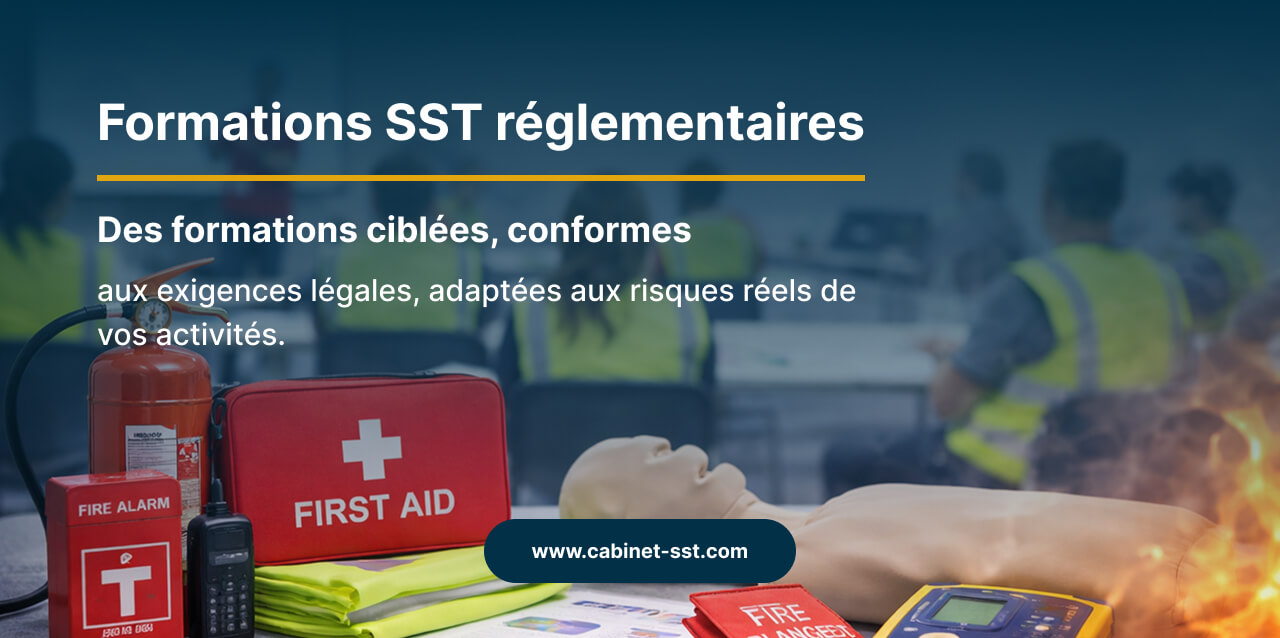
Workplace environments can be complex and hazardous, presenting numerous safety challenges that effective signage aims to mitigate. Common issues include:
- Lack of Hazard Awareness: Employees unfamiliar with potential dangers are more prone to accidents. Panneaux de signalisation sécurité au travail bridge this gap by clearly marking risks.
- Non-compliance with Safety Protocols: Mandatory signs remind workers to follow protective measures such as wearing PPE or following lockout procedures.
- Emergency Preparedness Deficits: Proper signage guides evacuation during fire or chemical spills, reducing panic and injuries.
- Language Barriers: Multilingual workplaces require universal symbols to overcome communication challenges.
- Legal and Financial Risks: Failure to deploy adequate safety signage can result in regulatory penalties, litigation, and elevated insurance premiums.
Addressing these risks through expertly designed and correctly placed panneaux de signalisation sécurité au travail is fundamental to fostering a safe workplace culture.
International Standards and Regulations Governing Workplace Safety Signage

Global frameworks establish the legal and technical foundations for effective safety signage:
| Standard | Scope | Relevance to Panneaux de Signalisation Sécurité au Travail |
|---|---|---|
| ISO 7010 | Standardizes safety sign symbols for consistent international comprehension | Defines the graphical language and colors to ensure uniformity of workplace safety signage |
| Directive 92/58/EEC (EU) | Sets minimum safety signage requirements in European workplaces | Mandates usage of specific sign categories for health and safety, including placement rules |
| NF X08-003 (France) | French national standard specifying types and formats of workplace signs | Guides usage of panneaux de signalisation sécurité au travail consistent with French regulations |
| OSHA Standards (USA) | Occupational health and safety signage requirements in American workplaces | Defines criteria for hazard communication signs |
Adherence to these standards not only ensures regulatory compliance but also improves the effectiveness of safety communication across culturally diverse workforces.
Local Context: Implementing Safety Signage in France
Within the French regulatory environment, panneaux de signalisation sécurité au travail are governed by a combination of EU directives and national standards such as NF X08-003 and the French Labour Code (Code du Travail). The requirements specify the type, color, shape, and content of signs that must be used in workplaces to communicate health and safety information effectively.
France’s industrial landscape is diverse – from the heavy industries concentrated in the Nord-Pas-de-Calais region and the automotive hubs around Lyon, to chemical production in Normandy and aerospace manufacturing in Toulouse. Across these sectors, effective use of safety signage is critical to mitigate risks:
- Construction Sites: Clear marking of hazard zones and personal protective equipment requirements.
- Manufacturing Plants: Signaling dangerous machinery, electrical hazards, and chemical storage areas.
- Warehouses: Traffic route designation and emergency exit markings.
- Offices: Fire safety and evacuation instructions.
For organizations operating in France, aligning workplace signage with national norms and integrating them within a broader Signalisation de santé et de sécurité au travail system is both a legal obligation and best practice.
Methodologies and Approaches for Implementing Panneaux de Signalisation Sécurité au Travail
Deploying an effective safety signage system requires a structured and methodical approach. Below are key steps recommended for organizations:
- Risk Assessment: Identify hazards that require visual communication.
- Sign Selection: Choose appropriate types of panneaux de signalisation sécurité au travail according to the nature of the hazard and normative requirements.
- Customization and Clarity: Ensure signs are understandable by all employees, incorporating symbols and multiple languages if necessary.
- Strategic Placement: Location decisions must maximize visibility and relevance, such as entrance points, hazard zones, and emergency routes.
- Employee Training: Educate staff on sign meanings and appropriate behavior in response to signage.
- Maintenance and Audits: Regular inspection and replacement of faded or damaged signs keep the system reliable.
- Integration into Safety Management Systems: Complement signage with procedural controls and continuous improvement initiatives.
One well-established practice is to create a signage matrix mapping various hazards to specific sign types, helping ensure consistency and coverage throughout the workplace.
Example of a Signage Implementation Matrix
| Hazard | Sign Type | Location | Action Required |
|---|---|---|---|
| Chemical Storage Area | Warning Sign | Entry Points | Wear gloves and eye protection |
| High Voltage Zone | Prohibition Sign | Near Electrical Panels | No unauthorized access |
| Fire Exit | Emergency Information Sign | Throughout Facility | Follow evacuation route |
| Mandatory Helmet Zone | Mandatory Sign | Construction Site | Wear helmet |
Benefits and Impact of Proper Workplace Safety Signage
Implementing well-designed panneaux de signalisation sécurité au travail generates multiple benefits:
- Enhanced Worker Safety: Clear warnings reduce incidence of accidents and injuries.
- Regulatory Compliance: Avoid costly penalties and legal liabilities.
- Improved Operational Efficiency: Safety signage reduces downtime from incidents and supports smooth emergency procedures.
- Cost Savings: Prevention reduces medical expenses, insurance fees, and compensation claims.
- Boosted Worker Confidence and Morale: A visibly safe environment fosters employee trust and productivity.
- Positive Corporate Image: Demonstrating commitment to safety enhances reputation with clients and partners.
Case Studies and Use Cases
Case Study 1: Implementation in a French Automotive Assembly Plant
An automotive assembly facility near Lyon faced frequent minor injuries related to unmarked hazardous zones. By conducting a comprehensive safety audit, they identified critical points requiring better communication. They deployed a new series of panneaux de signalisation sécurité au travail conforming to NF X08-003 standards, emphasizing mandatory PPE use and clear hazard warnings.
Post-implementation results included a 30% decrease in workplace incidents, improved employee adherence to safety protocols, and audit compliance that impressed regulators and insurance providers.
Case Study 2: Warehouse Safety Enhancement in Paris
A logistics company operating a large warehouse in the Parisian area struggled with emergency evacuation confusion during drills. They redesigned their signage system to include high-visibility evacuation maps and emergency exit indicators, aligned with international best practices. Additionally, multilingual signs were introduced for the diverse workforce.
The change led to smoother evacuation drills and enhanced preparedness perceptions among staff, contributing to overall risk reduction.
Future Trends and Perspectives in Workplace Safety Signage
The landscape of panneaux de signalisation sécurité au travail is evolving with advances in technology and emerging workplace trends:
- Digital and Interactive Signage: Integration of LED and electronic displays capable of dynamic warnings and real-time updates.
- Augmented Reality (AR): AR applications that overlay safety information directly into workers’ fields of vision through smart glasses or mobile devices.
- IoT-Enabled Signage: Connection of signs to sensor networks can trigger warnings based on environmental changes such as gas leaks or temperature spikes.
- Customization and Inclusive Design: Increased focus on accessibility, including tactile signs for visually impaired workers and multilingual symbols.
- Sustainability: Use of eco-friendly materials in sign manufacturing aligned with corporate social responsibility goals.
These innovations promise to enhance the effectiveness and adaptability of workplace safety communication, better protecting workers in an increasingly complex industrial landscape.
Conclusion: Maximizing Safety with Panneaux de Signalisation Sécurité au Travail
In summary, panneaux de signalisation sécurité au travail are fundamental components of a robust workplace safety program. By clearly communicating hazards, mandatory actions, and emergency procedures, they help reduce accidents, ensure legal compliance, and improve overall operational resilience.
For organizations committed to creating safe work environments, investing in properly designed, strategically placed, and regularly maintained safety signage is non-negotiable. This not only protects human capital but also enhances corporate reputation and financial performance.
To optimize your workplace safety system and ensure compliance with applicable norms, we encourage you to explore further guidance on the Signalisation de santé et de sécurité au travail and consider expert consulting support tailored to your industry needs.
Contact us today for professional advice and customized solutions to bolster your panneaux de signalisation sécurité au travail strategy and protect what matters most — your people.