

Introduction to Interrupteur ATEX: Ensuring Safety in Hazardous Environments
In industries where explosive atmospheres pose a significant risk, the use of specialized electrical equipment is critical to safeguarding both human life and infrastructure. Among these technologies, the interrupteur ATEX—or ATEX-certified switch—plays a pivotal role. This article delves into the fundamental aspects of interrupteur ATEX, explaining its importance within hazardous zones, outlining the challenges it addresses, and highlighting compliance with international standards. Businesses seeking to operate safely in potentially explosive environments, such as chemical plants, refineries, or grain processing facilities, will find this resource essential for making informed decisions on safety equipment.
Key Concepts and Definitions: Understanding Interrupteur ATEX
The term interrupteur ATEX refers to electrical switches designed and certified to operate safely within explosive atmospheres, as defined by the ATEX directive in Europe. The acronym ATEX originates from the French phrase ATmosphères EXplosibles, emphasizing the regulatory focus on explosion protection.
Breaking down the term:
- Interrupteur: French for “switch,” an electrical component that controls the opening or closing of a circuit, switching electrical power on or off.
- ATEX: A mandatory certification regime in the European Economic Area (EEA) to guarantee equipment is safe for use in explosive environments.
Interrupteurs ATEX are engineered to prevent ignition sources such as sparks, hot surfaces, or electrical arcs that could trigger explosions.
Explosive atmospheres typically consist of mixtures of air with flammable gases, vapors, dust, or fibers. Consequently, electrical equipment used in these areas must adhere to strict design and testing standards to reduce the risk of explosions.
Explosive Atmosphere Zones and Their Classification
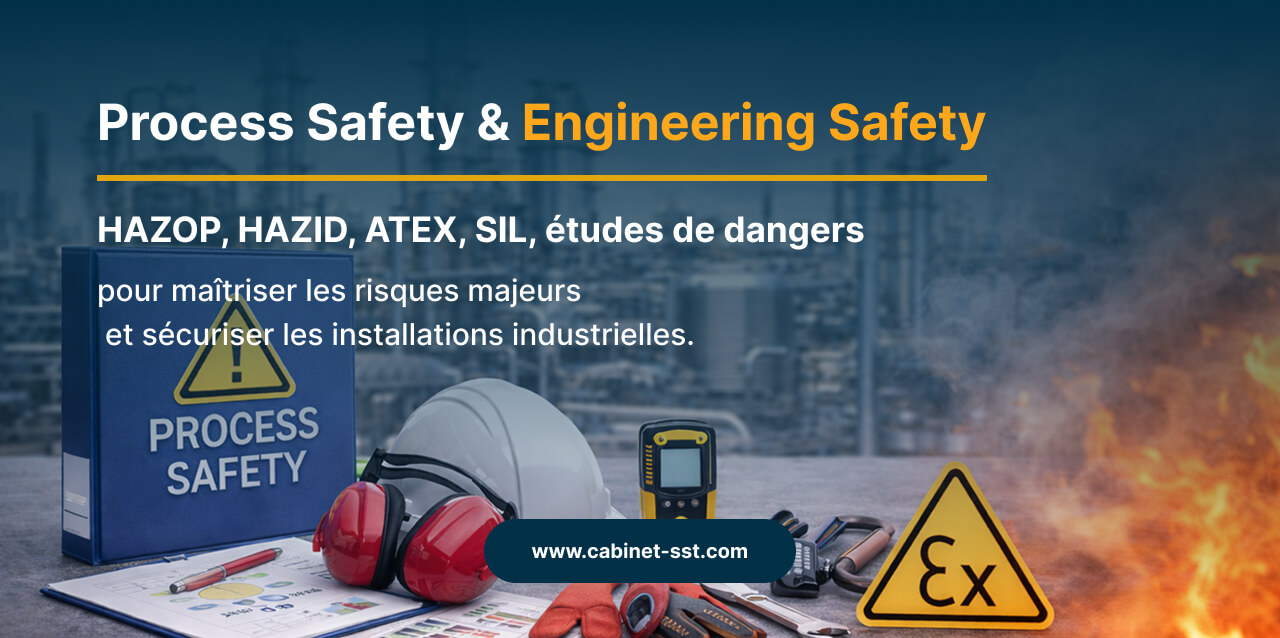
The classification of hazardous zones is essential to selecting the appropriate interrupteur ATEX. The ATEX directive defines zones based on the frequency and duration of the explosive atmosphere:
- Zone 0: Area where an explosive atmosphere is present continuously or for long periods.
- Zone 1: Area where an explosive atmosphere is likely to occur in normal operation.
- Zone 2: Area where an explosive atmosphere is unlikely and, if it occurs, lasts for a short period only.
Similarly, for dust, zones are classified as 20, 21, and 22, following the same principles.
Types of Interrupteurs Used in ATEX Environments
Within the category of interrupteur ATEX, there are various types tailored to specific industrial needs:
- Explosion-proof switches: Designed to contain any explosion originating within the switch, preventing ignition outside.
- Intrinsic safety switches: Limited electrical energy prevents ignition even in fault conditions.
- Increased safety switches: Enhanced design minimizes the risk of arcs or sparks.
Challenges and Risks in Hazardous Environments
Without proper equipment, hazardous environments with explosive atmospheres pose numerous risks. The presence of flammable gases or dust, combined with normal industrial operations, can lead to catastrophic explosions if an ignition source is introduced.
Key challenges addressed by the use of interrupteur ATEX include:
- Preventing ignition: Standard electrical switches may produce sparks when opened or closed, threatening safety. ATEX-certified switches are engineered to avoid such ignition sources.
- Durability in harsh conditions: Many hazardous environments involve extreme temperatures, vibrations, moisture, or corrosive substances. Interrupteurs must maintain integrity and function reliably under these conditions.
- Compliance with regulations: Non-compliance can lead to legal liability, costly shutdowns, or accidents with loss of life.
- Selecting appropriate equipment for the zone: Using the wrong class of switch can inadvertently increase risk.
International Standards and Regulations Governing Interrupteurs ATEX
The design, manufacturing, and deployment of interrupteur ATEX must conform to specific international standards and regulations to ensure safety:
| Standard/Regulation | Scope | Applicable Equipment |
|---|---|---|
| ATEX Directive 2014/34/EU | Equipment and protective systems intended for use in potentially explosive atmospheres within the EU | All electrical equipment within hazardous zones including switches |
| IECEx Scheme | International conformity certification for equipment used in explosive atmospheres | Global certification for switches and other electrical components |
| EN 60079 Series | Specific standards for electrical equipment in explosive atmospheres, including design types (explosion-proof, intrinsic safety) | Guidelines for design and testing of interrupteurs and related devices |
| NFPA 70 (NEC) | Electrical installations in the USA | Defines hazardous locations and requirements for electrical switches |
Compliance with these standards ensures an interrupteur ATEX can be safely deployed without risk of triggering an explosion.
Local Context: France and the Role of Bureau Etude ATEX
In France, where regulations closely follow the European framework, the use of interrupteur ATEX is governed primarily by the ATEX directive and national labor safety laws. Industrial sectors such as chemical manufacturing, oil and gas, pharmaceuticals, and food processing feature prominently in requiring explosion-protected equipment.
France’s concentrated industrial zones, including the Rhône-Alpes region, the Fos-sur-Mer industrial port, and surrounding chemical hubs, present typical scenarios for extensive ATEX compliance. Moreover, with a strong emphasis on worker protection and operational continuity, organizations often collaborate with specialized consulting firms like a Bureau Etude ATEX to ensure full conformity and best practices in electrical equipment deployment.
Typical Sectors Using Interrupteurs ATEX in France
- Chemical and Petrochemical Plants: Handling volatile gases and liquids requires reliable interruption devices certified for explosive atmospheres.
- Pharmaceutical Manufacturing: Dust and vapor explosions can occur, demanding safe switchgear.
- Agriculture and Food Processing: Grain dust and flour mills are known explosion risk zones.
- Oil and Gas Extraction: Offshore and onshore installations require special ATEX equipment.
Methodologies and Approaches for Effective Implementation
Ensuring safety with interrupteur ATEX involves systematic procedures:
- Hazard Analysis and Zoning: Consulting firms or in-house experts analyze areas of operation to classify zones accurately.
- Equipment Selection: Based on zone classification, selecting interrupteurs with the right ATEX category (e.g., Ex d, Ex i, Ex e) and ensuring compatibility with the environment.
- Installation and Verification: Certified installers must deploy interrupteurs ATEX according to precise guidelines to maintain certification integrity.
- Regular Maintenance and Inspection: Periodic audits ensure the equipment remains compliant and operational, identifying wear or damage before failure occurs.
- Employee Training: Personnel should understand the significance of ATEX-certified components and safe operation protocols.
Benefits and Impacts of Using Interrupteur ATEX
The adoption of interrupteur ATEX delivers significant advantages to organizations, including:
- Enhanced Safety: Preventing electrical ignitions drastically reduces accident and fatality risks.
- Regulatory Compliance: Meeting legal requirements protects companies from penalties and operational shutdowns.
- Operational Continuity: Reliable equipment reduces downtime caused by electrical failures or explosions.
- Financial Savings: Avoidance of explosion-related costs such as facilities damage, insurance hikes, and legal claims.
- Corporate Reputation: Demonstrating commitment to safety supports stakeholder confidence and market positioning.
Case Studies and Use Cases: Practical Application of Interrupteur ATEX
Consider the following hypothetical scenarios illustrating the importance of interrupteur ATEX:
Case Study 1: Chemical Plant in Lyon
A mid-sized chemical manufacturer operating near Lyon integrated ATEX-certified switches in its solvent storage zones (Zone 1). Prior to installation, an internal review identified risk from spark generation due to traditional switches. After deploying interrupteurs ATEX compliant with EN 60079 and IECEx, the plant sustained continuous production with zero ignition incidents for over five years.
Case Study 2: Grain Processing Facility in Nord-Pas-de-Calais
This facility was located in a dust-prone environment (Zone 22) with past minor ignition events. By partnering with a Bureau Etude ATEX, the company revamped all electrical switchgear to certified explosion-safe interrupteurs. Alongside enhanced ventilation, the risk of dust explosions was effectively minimized, resulting in improved staff confidence and insurance benefits.
Future Trends and Perspectives in Interrupteur ATEX Technology
Technology advances continue to shape the future of interrupteur ATEX. Key trends include:
- Smart ATEX Switches: Integration of sensors and IoT connectivity for real-time monitoring, predictive maintenance, and enhanced operational safety.
- Material Innovation: Use of new composites and coatings to improve durability while reducing weight and installation complexity.
- Global Harmonization: Increasing alignment between ATEX, IECEx, and other regional standards to facilitate international use and maintenance.
- Energy Efficiency: Development of low-power, energy-efficient interrupteurs ATEX that reduce operational costs.
These trends will provide organizations with more robust, easier-to-manage options while deepening the safety benefits of explosion-proof switches.
Conclusion
The interrupteur ATEX is a critical component in maintaining safe industrial operations within explosive atmospheres. Understanding its design, regulatory environment, and practical application helps organizations minimize risks, comply with legal frameworks, and ensure worker safety. For businesses operating in or planning to invest in hazardous zones, partnering with expert consultants such as a Bureau Etude ATEX can provide tailored guidance and certification expertise.
To learn more about implementing ATEX-compliant solutions and securing your facility’s safety, do not hesitate to contact us for personalized support and comprehensive services.