

Introduction: Understanding the Importance of PPSPS Simplifié in Construction Project Management
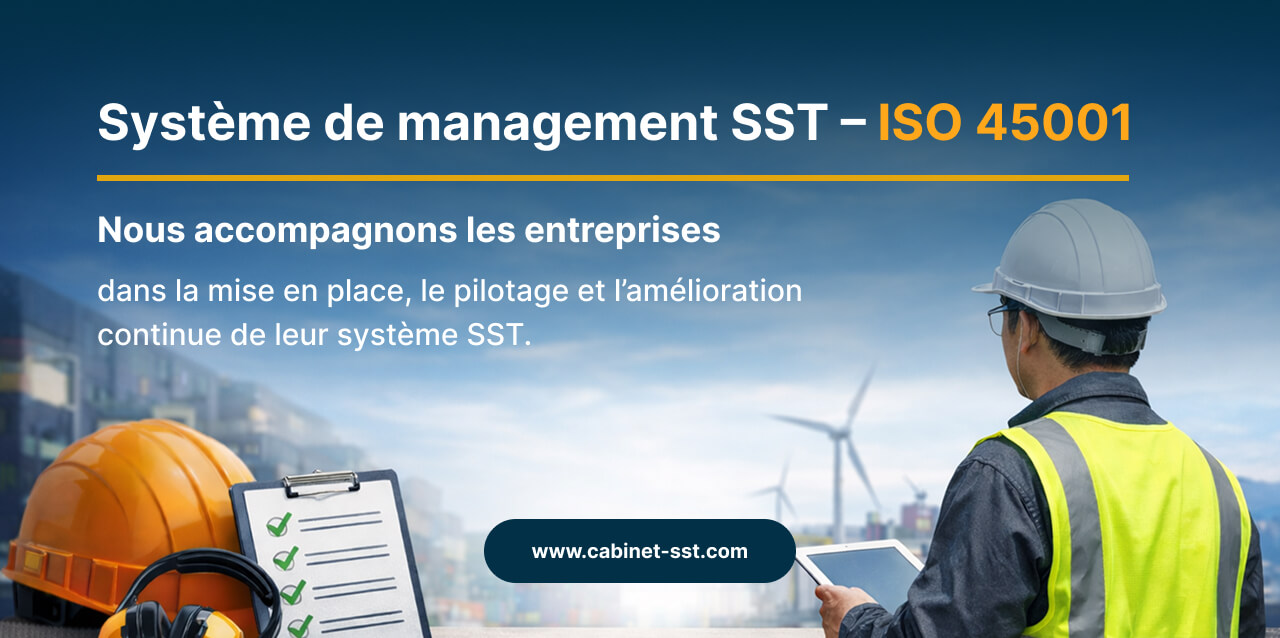
In the complex world of construction, safety and efficient coordination are paramount. Among the essential elements ensuring these priorities is the ppsps simplifié, a streamlined version of the traditional Safety and Health Protection Plan (Plan de Prévention de la Santé et de la Sécurité) required on many construction sites. For organizations and individuals involved in construction projects, comprehending and implementing the ppsps simplifié is not just a regulatory obligation but a strategic necessity. It plays a vital role in minimizing risks, aligning stakeholders, and fostering a culture of safety without overwhelming smaller projects with bureaucratic complexity.
As businesses seek to enhance on-site safety while maintaining productivity, the significance of the ppsps simplifié continues to grow. Especially for contractors, site managers, and compliance officers, understanding its framework is essential for reducing workplace accidents and adhering to legal standards. This article dives deep into the concept of ppsps simplifié, revealing its principles, challenges, regulatory frameworks, and practical applications, especially within the context of a cabinet coordination de chantier.
Key Concepts & Definitions: Breaking Down PPSPS Simplifié

The term ppsps simplifié stands for a simplified version of the “Plan Particulier de Sécurité et de Protection de la Santé.” This document is designed to ensure health and safety measures are clearly defined and communicated among all parties involved in a construction project. Unlike the comprehensive PPSPS, the simplified version targets smaller or less complex sites, where a full-scale plan might be disproportionate or cumbersome.
The main principles of the ppsps simplifié include:
- Identification of Risks: Highlighting potential hazards specific to the project environment.
- Preventive Measures: Describing safety strategies, personal protective equipment (PPE), and organizational controls.
- Coordination Roles: Defining each participant’s responsibilities, emphasizing collaboration among contractors and subcontractors.
- Emergency Procedures: Detailing protocols to manage incidents and ensure swift response.
The ppsps simplifié document serves to facilitate communication and ensure compliance without excessive administrative burden.
Differentiating PPSPS Simplifié from Standard PPSPS
While the standard PPSPS involves rigorous detailing often necessary for large and complex construction sites, the simplified version is tailored to fit smaller scale projects. It maintains the core objective of safety but adapts to meet the practicalities of less daunting environments. This distinction is critical for project managers and compliance officers to understand so that the right level of documentation and planning is applied.
Challenges & Risks Addressed by PPSPS Simplifié
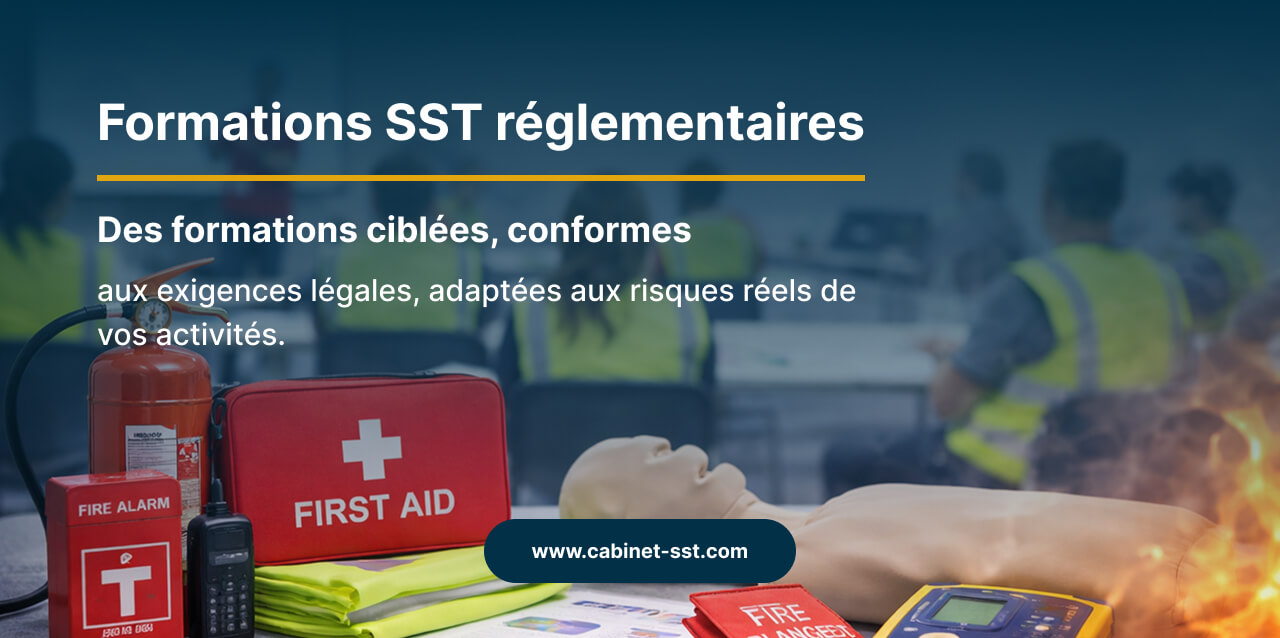
Construction projects inherently involve numerous hazards, including falls from heights, machinery accidents, exposure to hazardous substances, and coordination problems on the site. The implementation of the ppsps simplifié addresses several key challenges:
- Complexity Management: Reducing bureaucracy in smaller projects to avoid delays in execution.
- Risk Communication: Ensuring all parties, from site workers to managers, clearly understand risks and safety rules.
- Intervention Coordination: Managing multiple subcontractors and trades working simultaneously.
- Regulatory Compliance: Assisting firms to meet safety standards and avoid penalties.
- Accident Reduction: Minimizing the likelihood and impact of worksite incidents through proactive safety management.
Without a proper ppsps simplifié, even small sites risk organizational confusion and dangerous oversights, which can lead to costly accidents and legal consequences.
International Standards & Regulations Influencing PPSPS Simplifié

The health and safety requirements codified in the ppsps simplifié are influenced by international frameworks such as the ISO 45001 standard on occupational health and safety management systems. This standard sets out requirements designed to reduce workplace risks and promote a safe working environment globally.
Additionally, the European Union’s directives on workplace safety, especially the Framework Directive 89/391/EEC, provide foundational principles for national health and safety legislation, including those governing construction sites. These international norms encourage member states, including France, to enforce effective health and safety prevention plans, such as the PPSPS or its simplified counterpart.
Key elements from international regulations that impact the ppsps simplifié include:
- Risk assessment and management processes.
- Worker involvement and consultation in safety planning.
- Documented procedures to manage emergencies and incidents.
- Continuous improvement mechanisms integrated into safety plans.
Local Context: Application of PPSPS Simplifié within French Construction Sites
In France, the ppsps simplifié is particularly relevant due to strict national regulations outlined in the Code du Travail (Labour Code). It is mandatory for construction projects involving multiple contractors and subcontractors to produce a PPSPS, with simplified versions accepted for smaller-scale projects under certain thresholds. The goal is to adapt administrative demands proportionally without compromising safety standards.
The local construction sector in France is diverse, comprising urban construction in cities like Paris, Lyon, and Marseille, as well as industrial projects in regions such as Île-de-France and the Grand Est. In these zones, where projects range from small renovations to complex infrastructure developments, the ppsps simplifié provides a practical approach to safety coordination.
Typical sectors utilizing the ppsps simplifié include:
- Residential building and renovation.
- Small-scale public works and maintenance.
- Light industrial construction and facility upgrades.
- Roadworks and landscaping operations.
Given the tight regulations and complex contractor landscapes, many construction firms partner with a cabinet coordination de chantier to ensure smooth safety plan development, implementation, and supervision. These specialized firms offer expertise in preparing compliant ppsps simplifié and aligning multiple stakeholders.
Methodologies & Approaches to Implementing PPSPS Simplifié
Successful application of the ppsps simplifié requires a methodological approach tailored to the project’s scale and complexity. The following stages outline a practical framework to develop and implement this safety plan:
- Preliminary Risk Assessment: Analyze the site’s physical characteristics, tasks involved, potential hazards, and workforce specifics.
- Stakeholder Identification: List all parties engaged on site, including main contractors, subcontractors, and suppliers.
- Plan Drafting: Develop concise documentation detailing identified risks, preventive measures, responsible persons, and emergency protocols.
- Stakeholder Consultation & Approval: Circulate the draft among stakeholders for feedback and consensus, ensuring collective ownership.
- Communication & Training: Conduct briefings and distribute information so that every worker understands the ppsps simplifié.
- Ongoing Monitoring & Updates: Regularly review the plan throughout the project duration, adapting as new risks or changes arise.
Integration with Project Management and Coordination
Integration of the ppsps simplifié into broader project management practices is critical. Many firms embed safety coordination in their project planning, utilizing digital tools such as project management software to track compliance and training records. Engaging a cabinet coordination de chantier also supports systematic coordination, ensuring that health and safety plans are synchronized with operational schedules and resource allocation.
Benefits & Impacts of PPSPS Simplifié for Organizations
Implementing a ppsps simplifié yields multiple tangible and intangible benefits for construction projects and their stakeholders:
- Enhanced Safety Outcomes: Clear identification and management of risks significantly reduce accidents and incidents on site.
- Regulatory Compliance: Meets legal obligations efficiently, helping avoid fines, legal action, or work stoppages.
- Operational Efficiency: Streamlined safety processes reduce delays caused by accidents or misunderstandings.
- Cost Savings: Lower insurance premiums and reduced downtime contribute to financial benefits.
- Improved Stakeholder Collaboration: Defined roles and communication promote teamwork and clearer responsibilities.
- Reputation Management: Demonstrating commitment to safety enhances company image with clients and partners.
Table: Summary of Organizational Impacts from PPSPS Simplifié Adoption
| Impact Area | Before PPSPS Simplifié | After PPSPS Simplifié Implementation |
|---|---|---|
| Safety Incidents | Frequent accidents, unclear risk management | Significant accident reduction, proactive prevention |
| Compliance | Risk of non-compliance, penalties | Full compliance, audits passed easily |
| Project Delays | Disruptions due to incidents | Fewer delays, smoother workflows |
| Operational Costs | High unforeseen expenses | Cost predictability, savings from safer operations |
| Team Collaboration | Poor communication, role ambiguity | Strong coordination, clear responsibilities |
Case Studies & Use Cases: PPSPS Simplifié in Practice
Case Study 1: Residential Renovation in Lyon
A mid-sized contractor managing a residential renovation project in Lyon implemented a ppsps simplifié to coordinate three subcontractors specializing in electrical, plumbing, and structural work. By clearly outlining risk prevention measures and communication protocols, the project experienced zero reportable incidents and completed on schedule. Engagement with a cabinet coordination de chantier advisory helped streamline this process.
Case Study 2: Road Maintenance in Île-de-France
A public works company conducting highway repairs applied the ppsps simplifié to address risks related to traffic management and machinery operation. The simplified format allowed rapid plan approval and effective communication between multiple teams, ensuring compliance and safety amidst high public exposure.
These examples illustrate how adapting safety plans through the simplified approach is perfectly suited to projects where agility and clarity are priorities.
Future Trends & Perspectives in PPSPS Simplifié Development
The future evolution of the ppsps simplifié is shaped by technological advancements, regulatory updates, and changing construction dynamics:
- Digitalization: Increasing use of digital platforms for drafting, sharing, and updating safety plans in real time.
- Integration with BIM: Incorporating the ppsps simplifié into Building Information Modeling (BIM) to visualize risks and safety measures within project designs.
- Enhanced Worker Participation: Tools and apps to involve workers more actively in safety feedback loops.
- Regulatory Enhancements: Potential tightening or clarification of standards requiring simplified safety plans to better align with international norms.
- Sustainability Focus: Linking health and safety in construction with environmental and social governance (ESG) criteria.
Business decision-makers should monitor these trends to anticipate future compliance demands and leverage innovations that enhance safety outcomes.
Conclusion
The ppsps simplifié stands as a vital tool for achieving efficient and effective safety management on construction sites, particularly for small and medium-scale projects. By balancing comprehensive safety planning with practical simplicity, it enables contractors and project managers to align health and safety objectives with operational realities.
Understanding, developing, and implementing the ppsps simplifié can minimize risks, ensure compliance, and foster better collaboration among stakeholders, ultimately safeguarding both people and business interests.
To ensure your projects benefit from expert guidance and compliant safety coordination, consider reaching out to a specialized cabinet coordination de chantier. Their expertise helps tailor the ppsps simplifié to your specific context, guaranteeing conformance with regulatory requirements and enhancing your project’s success.
For further insights on health, safety, and environmental compliance, explore resources such as the NPM audit services NPM, which offer valuable perspectives on managing occupational risks effectively.