

Introduction: The Critical Need for Solution Prévention Risques Industriels
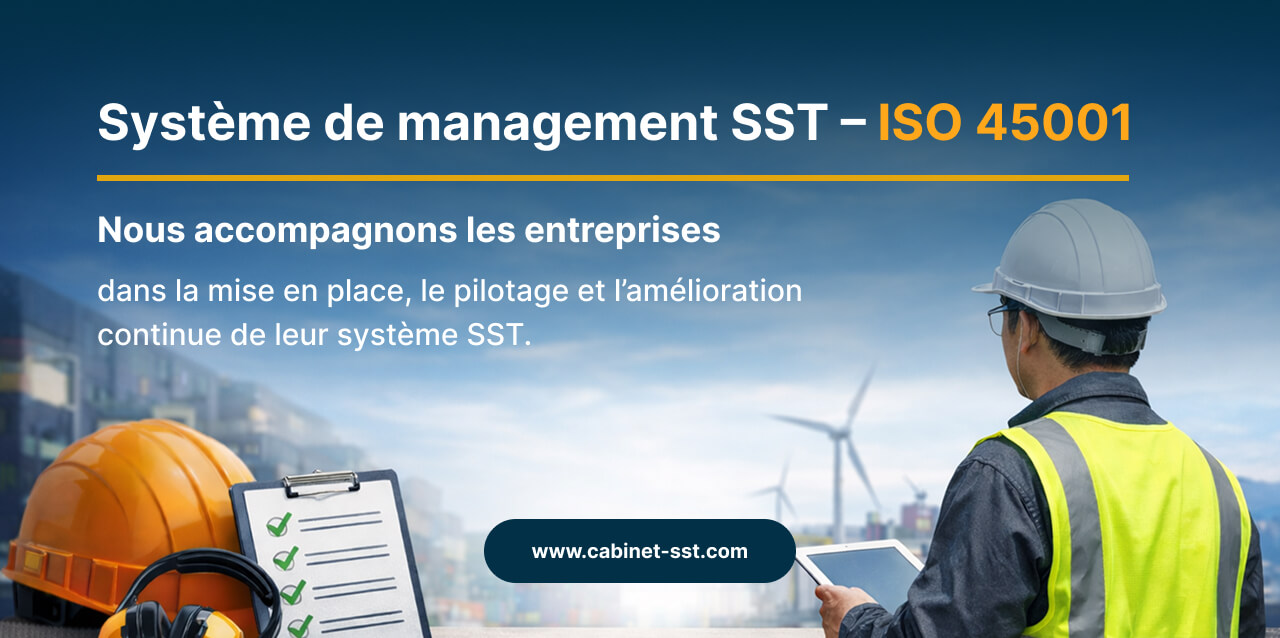
In today’s rapidly evolving industrial landscape, the implementation of a robust solution prévention risques industriels is indispensable for organizations aiming to safeguard personnel, assets, and the environment. Industrial risks—from chemical spills and mechanical failures to fire hazards and operational errors—pose significant threats not only to operational efficiency but also to human life and ecological integrity. Amid increasing regulatory scrutiny and heightened corporate social responsibility expectations, proactive risk management solutions serve as the cornerstone of sustainable industrial operations.
Companies across diverse sectors must understand why investing in prevention strategies is a strategic priority rather than a regulatory burden. From reducing accident rates to enhancing compliance and reputation, deploying comprehensive prevention solutions is essential. For industrial decision-makers, mastering this topic supports resilience and long-term profitability. This article delves deeply into the principles, methodologies, contextual realities, and future perspectives of solution prévention risques industriels, equipping stakeholders with the knowledge needed to implement effective risk management practices.
Key Concepts & Definitions: Understanding Solution Prévention Risques Industriels
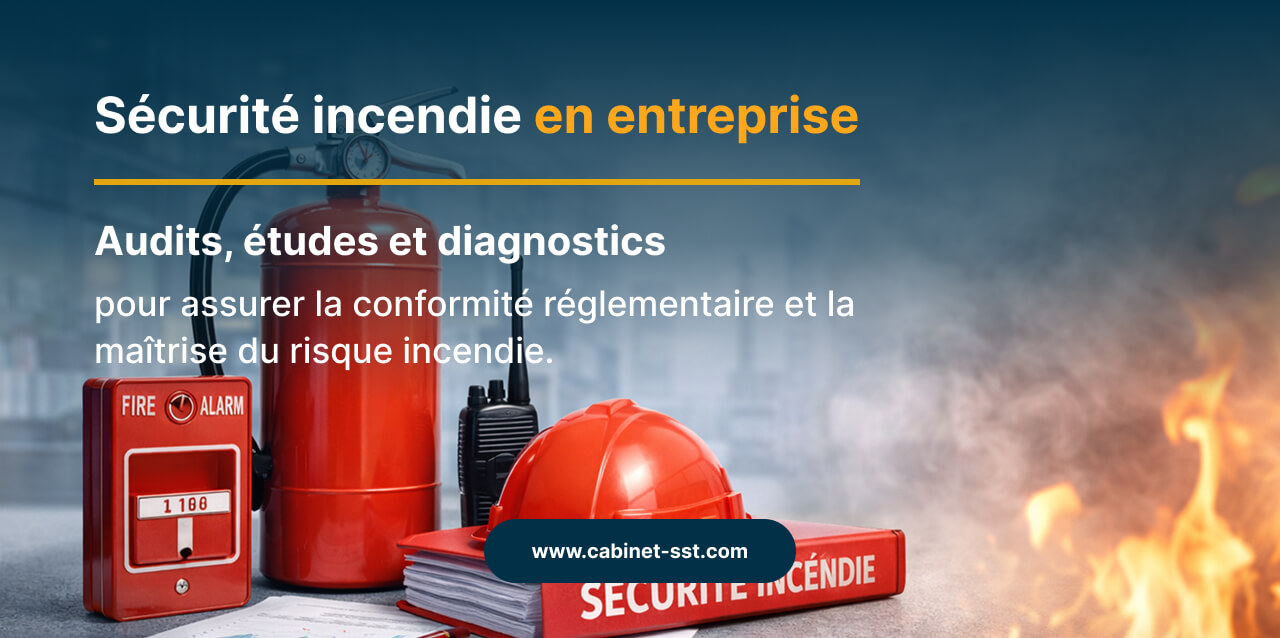
Before exploring the methodologies and applications, it is crucial to define the core terms to establish a clear foundation for learning.
- Solution prévention risques industriels: This term refers to the set of systematic measures, tools, and strategies aimed at identifying, assessing, controlling, and mitigating risks inherent in industrial activities. These solutions encompass technical, organizational, and human factors to prevent accidents and reduce hazards.
- Risques industriels (Industrial Risks): Hazards associated with industrial activities such as chemical leaks, explosions, fires, toxic exposure, mechanical breakdowns, and environmental damage.
- Gestion des risques industriels (Industrial Risk Management): The process of recognizing risks and implementing controls to ensure they remain at acceptable levels.
- Prévention (Prevention): Actions taken proactively to anticipate and eliminate or minimize risks before they cause harm.
Within this framework, solutions for preventing industrial risks combine technical innovations, safety management systems, training, and compliance practices to build a culture of safety and continuous improvement. Recognizing that risks evolve with industrial development, these solutions are tailored to specific operational contexts and constraints.
Challenges & Risks Addressed by Solution Prévention Risques Industriels
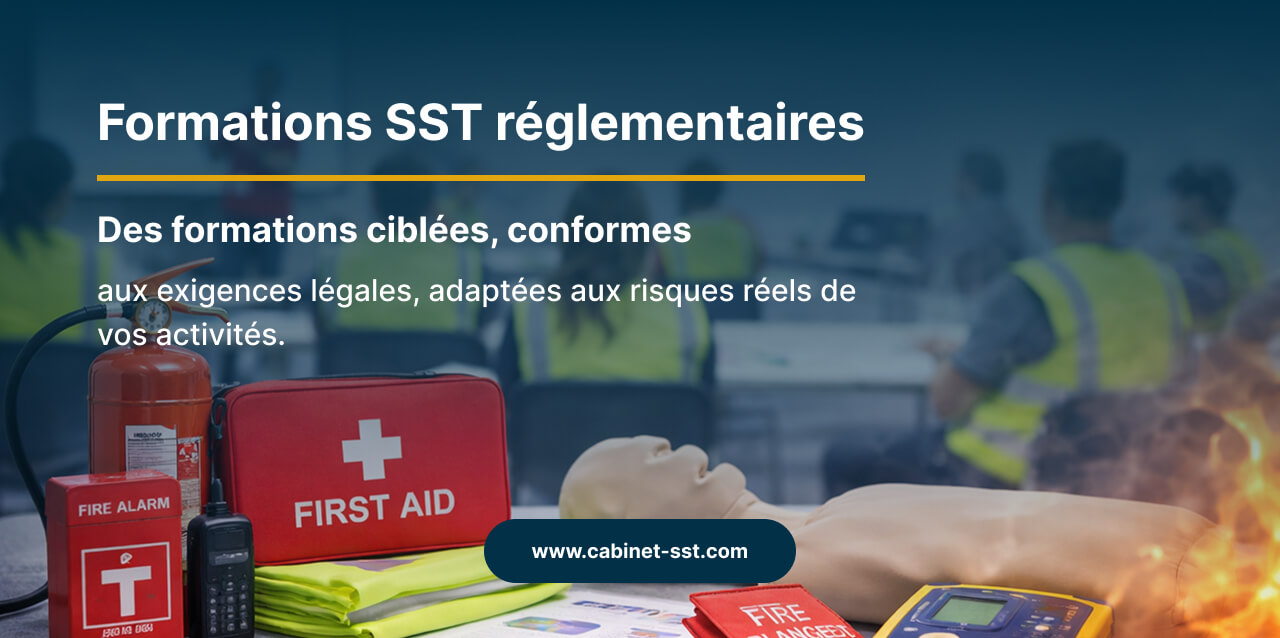
Industrial environments are inherently complex, exposing organizations to multifaceted risks. The solution prévention risques industriels tackles several primary challenges:
- Complex Risk Topography: Industrial sites often host a variety of processes and hazardous materials, requiring nuanced understanding to accurately identify risk points.
- Human Error: Operator mistakes remain a top cause of accidents. Solutions emphasize training and ergonomic system design to minimize this error.
- Technological Failures: Aging machinery, poor maintenance, or design defects can trigger incidents. Prevention integrates predictive maintenance and quality control measures.
- Regulatory Compliance: Navigating local and international regulatory environments to avoid sanctions while enhancing safety standards.
- Environmental Protection: Preventing industrial accidents that could cause significant environmental damage, necessitating proactive ecological risk assessment.
- Cultural Resistance: Overcoming organizational inertia and instilling a risk-aware mindset is often a major impediment.
Addressing these challenges ensures companies minimize downtime, avoid financial losses due to accidents, protect brand value, and foster employee confidence.
International Standards & Regulations Overseeing Industrial Risk Prevention
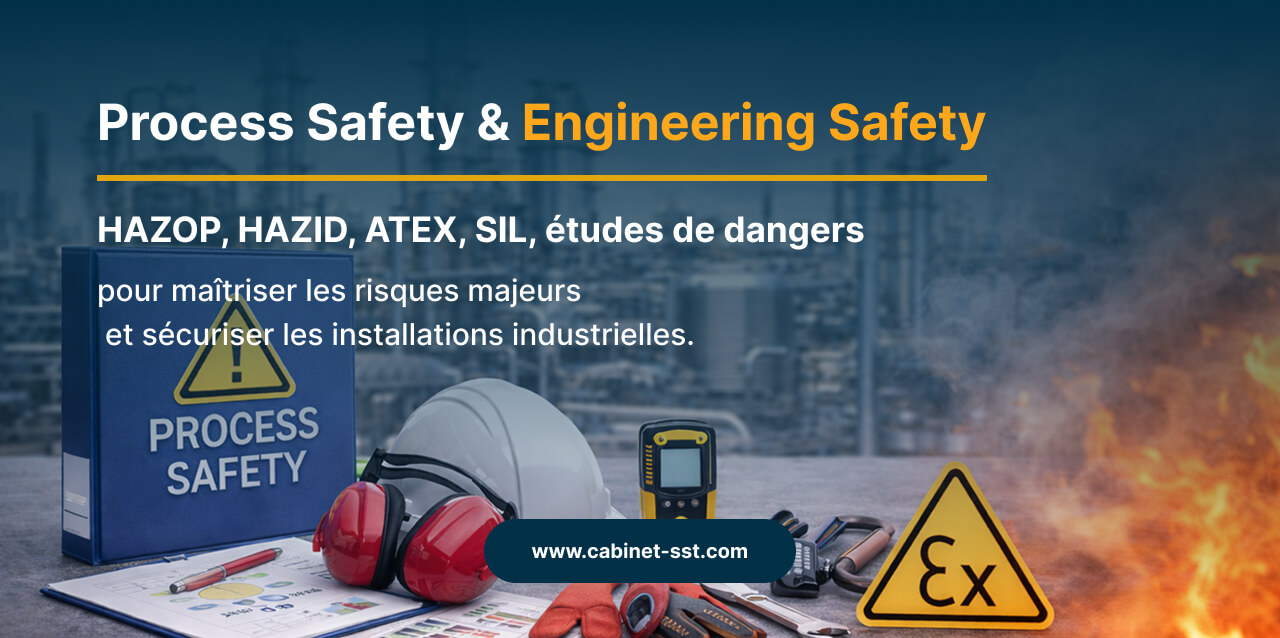
To guide the development and implementation of effective solution prévention risques industriels, a series of international standards and regulatory frameworks provide structured approaches and benchmarks. Some of the most impactful include:
- ISO 45001 – Occupational Health and Safety Management Systems: Provides criteria to create a safe working environment through systematic hazard identification and mitigation.
- ISO 31000 – Risk Management Guidelines: A framework for establishing risk management principles and processes relevant to industrial contexts.
- Seveso Directive (Europe): Focuses on preventing major industrial accidents involving dangerous substances, mandating safety management systems and land-use planning.
- OSHA Standards (USA): Enforce workplace safety regulations, including process safety management for hazardous chemical handling.
- Safety Integrity Levels (SIL): Utilized in functional safety to assess risk reduction requirements and safety instrumented systems.
Conforming to these standards not only ensures legal compliance but also strengthens operational resilience. Successful implementation of these frameworks requires the integration of risk assessment, employee participation, and continuous improvement strategies.
Local Context: Applying Solution Prévention Risques Industriels in French Industrial Sectors
France, recognized for its robust industrial base and stringent regulatory frameworks, provides a unique context for the deployment of solution prévention risques industriels. The country hosts major industrial sectors such as petrochemicals, aerospace, automotive, food processing, and pharmaceuticals, each characterized by specific risk profiles.
Several industrial zones, including the Rhône-Alpes region and the Seine-et-Marne cluster, are focal points for these activities. Within these zones, regional regulations complement national laws, emphasizing:
- Strict adherence to the Code du Travail and environmental legislations ensuring worker safety and emissions control.
- Implementation of ICPE (Installations Classées pour la Protection de l’Environnement) status, requiring rigorous risk assessments and remediation measures.
- Regular audits and emergency preparedness plans overseen by the DREAL (Direction Régionale de l’Environnement, de l’Aménagement et du Logement).
French companies benefit from the expertise of specialist firms such as Cabinet gestion des risques industriels that support the deployment of customized risk prevention solutions. Their local insights optimize compliance and operational safety effectively.
Example use cases illustrating local application include:
- Petrochemical plants engaging in continuous monitoring to prevent volatile organic compound leaks.
- Automotive manufacturers integrating ergonomic assessments to reduce musculoskeletal disorders among workers.
- Food processing units adopting HACCP-based systems aligned with broader risk management objectives.
Methodologies & Approaches to Implementing Solution Prévention Risques Industriels
Effectively deploying a solution prévention risques industriels requires a systematic approach combining various methodologies. The main frameworks typically include:
1. Risk Identification
Techniques like Hazard and Operability Study (HAZOP), Fault Tree Analysis (FTA), and Failure Mode and Effects Analysis (FMEA) enable comprehensive detection of potential hazards and failure points.
2. Risk Assessment and Evaluation
Quantitative and qualitative methods assess the likelihood and impact of identified risks, categorizing them by priority.
3. Risk Control and Mitigation
Controls include technical solutions (e.g., safety instrumentation), organizational measures (e.g., safe work procedures), and behavioral interventions (e.g., training and awareness campaigns).
4. Monitoring and Review
Continuous monitoring through Key Performance Indicators (KPIs) and regular audits ensures the effectiveness of risk prevention measures and facilitates dynamic improvements.
5. Training and Competency Development
Employee skills enhancement via periodic training increases vigilance and proper response to hazards.
6. Incident Investigation and Feedback
Systematic analysis of incidents or near misses fuels iterative learning and prevention refinement.
| Methodology | Description | Purpose |
|---|---|---|
| HAZOP | Systematic technique to identify hazards and operability issues in processes. | Discover deviations that could lead to risks. |
| FTA | Analyzes root causes of system failures using logic trees. | Understand failure propagation and prevent accidents. |
| FMEA | Evaluates possible failure modes and their effects on operations. | Prioritize risk reduction measures. |
| Behavioral Safety | Focuses on influencing safe behaviors among employees. | Reduce human errors and accidents. |
Moreover, integrating digital technologies such as IoT sensors, predictive analytics, and automation aligns modern prevention solutions with Industry 4.0 trends, enhancing real-time hazard detection and response capacity.
Benefits & Impacts of Implementing a Solution Prévention Risques Industriels
The advantages of a well-executed solution prévention risques industriels are multifaceted, spanning operational, financial, and reputational domains:
Organizational Benefits
- Improved safety culture promoting employee engagement and reduced absenteeism.
- Streamlined processes minimizing downtime and disruptions.
- Enhanced regulatory compliance lowering the risk of sanctions.
Operational Benefits
- Reduction in incident rates resulting in fewer injuries and environmental incidents.
- Better risk visibility facilitating proactive management decisions.
- Enhanced reliability of industrial equipment through preventive maintenance.
Financial Benefits
- Lower insurance premiums due to demonstrated risk mitigation.
- Cost savings by preventing accidents and associated legal or cleanup expenses.
- Higher investor confidence driven by sustainable practices.
Safety and Environmental Impacts
- Protection of workers’ health and lives.
- Minimized ecological footprint through reduced harmful emissions and waste incidents.
By deploying advanced prevention solutions, companies often realize performance gains that transcend mere compliance, fostering innovation and competitiveness.
Case Studies & Use Cases Illustrating Solution Prévention Risques Industriels
To contextualize the principles described, here are representative examples demonstrating the implementation and outcomes of solution prévention risques industriels:
Case Study 1: Chemical Manufacturing Plant in Lyon
The plant faced frequent small-scale chemical leaks caused by aging valves. Employing a solution prévention risques industriels involving predictive maintenance technology, regular HAZOP studies, and enhanced operator training led to a 75% reduction in leaks within 18 months. These improvements decreased production downtime and increased regulatory compliance.
Case Study 2: Automotive Assembly Facility near Paris
Musculoskeletal disorders among assembly line workers were high due to repetitive tasks and inadequate workstation design. Integrating ergonomic evaluations alongside behavioral safety awareness programs decreased injury rates by 40%, while boosting productivity.
Use Case: Food Processing Industry
Implementing HACCP principles augmented by process safety risk management reduced contamination risks and improved product safety standards, reinforcing brand trust.
These examples underscore the adaptability and tangible benefits of solution prévention risques industriels across different industrial contexts.
Future Trends & Perspectives in Solution Prévention Risques Industriels
The field of industrial risk prevention is dynamically evolving, influenced by technological innovations, regulatory developments, and societal expectations. Key future trends include:
- Digital Transformation: The rise of IoT, AI-powered predictive analytics, and advanced sensor networks will enable near-real-time risk monitoring and autonomous intervention systems.
- Integrated Management Systems: Combining quality, safety, and environmental management into unified frameworks to optimize resources and outcomes.
- Human-Centered Safety: Increased focus on psychological safety, ergonomics, and organizational culture to address the human factors deeply influencing risk.
- Regulatory Evolution: Anticipated tightening of environmental and safety standards requiring continuous adaptation and innovation.
- Global Supply Chain Risk Management: Expanding the scope to include risks in extended supplier and partner networks, fostering collaborative prevention strategies.
Moreover, organizations will increasingly rely on expert consultancy services such as those offered by Cabinet gestion des risques industriels to navigate complexities and implement cutting-edge preventive solutions. For a comprehensive exploration of risk management methods specifically in process safety, industry professionals can consult resources like NPM.
Conclusion: Embracing Comprehensive Solution Prévention Risques Industriels for Sustainable Industry
In summary, a robust solution prévention risques industriels forms the backbone of sustainable and resilient industrial operations. By understanding the multifaceted nature of industrial risks, aligning with international standards, adapting to local regulatory environments, and adopting structured methodologies, organizations can significantly reduce hazards that threaten their workforce, assets, and environment.
The benefits—from enhanced safety and regulatory compliance to operational excellence and financial savings—are clear and compelling. As industries progress towards digitization and integrated safety cultures, prevention solutions will become more sophisticated and indispensable.
Industrial leaders and decision-makers seeking to elevate their risk prevention strategies are encouraged to leverage expert guidance. To ensure your organization’s safety management system is comprehensive, effective, and future-ready, contact the specialists at Cabinet gestion des risques industriels. Our expertise and tailored approaches can help transform your risk prevention practices into competitive assets.