

Introduction: The Importance of a Grille d’Analyse de Risques in Occupational Health and Safety

In today’s complex work environments, organizations are increasingly aware of the critical need to manage risks effectively. A grille d’analyse de risques, or risk analysis grid, is a foundational tool in the field of occupational health and safety (SST – Santé et Sécurité au Travail). It provides a systematic approach to identifying, evaluating, and mitigating workplace hazards, safeguarding employees, and ensuring regulatory compliance.
Implementing a structured risk analysis framework is essential for businesses to reduce workplace accidents, avoid costly penalties, and maintain operational continuity. This article delves deeply into the concept of the grille d’analyse de risques, its key principles, challenges, and methodologies, with a special focus on the French regulatory context and best practices globally. Whether you are a business leader, health and safety professional, or consultant, understanding this tool is vital for enhancing your company’s risk management capabilities.
Key Concepts & Definitions: Understanding the Grille d’Analyse de Risques and Related Principles

The term grille d’analyse de risques refers to a structured matrix or grid used to facilitate risk assessment in occupational safety and health. It helps decision-makers categorize and prioritize risks, enabling targeted interventions.
Some fundamental concepts related to this grid include:
- Risk: The potential for harm or adverse effects resulting from workplace hazards.
- Hazard: Any source of potential damage, injury, or health impact in the work environment.
- Severity: The extent of potential damage or injury caused by a risk.
- Probability (Likelihood): The chance that a given risk will result in an incident or accident.
- Control Measures: Actions or systems implemented to eliminate or reduce risk.
The grille d’analyse de risques typically combines these factors into a visual or tabular format, allowing organizations to score risks numerically or categorically, and facilitate informed decisions about mitigation priorities. This aligns with the broader framework of Analyse risques SST, the comprehensive risk analysis process in occupational safety.
Variations and Related Tools
While the term ‘grille d’analyse de risques’ commonly refers to the matrix format, risk assessments may also utilize checklists, flowcharts, and software solutions. Each tool provides complementary perspectives but shares the central goal of risk identification, evaluation, and control.
Challenges and Risks Addressed Through Risk Analysis Grids
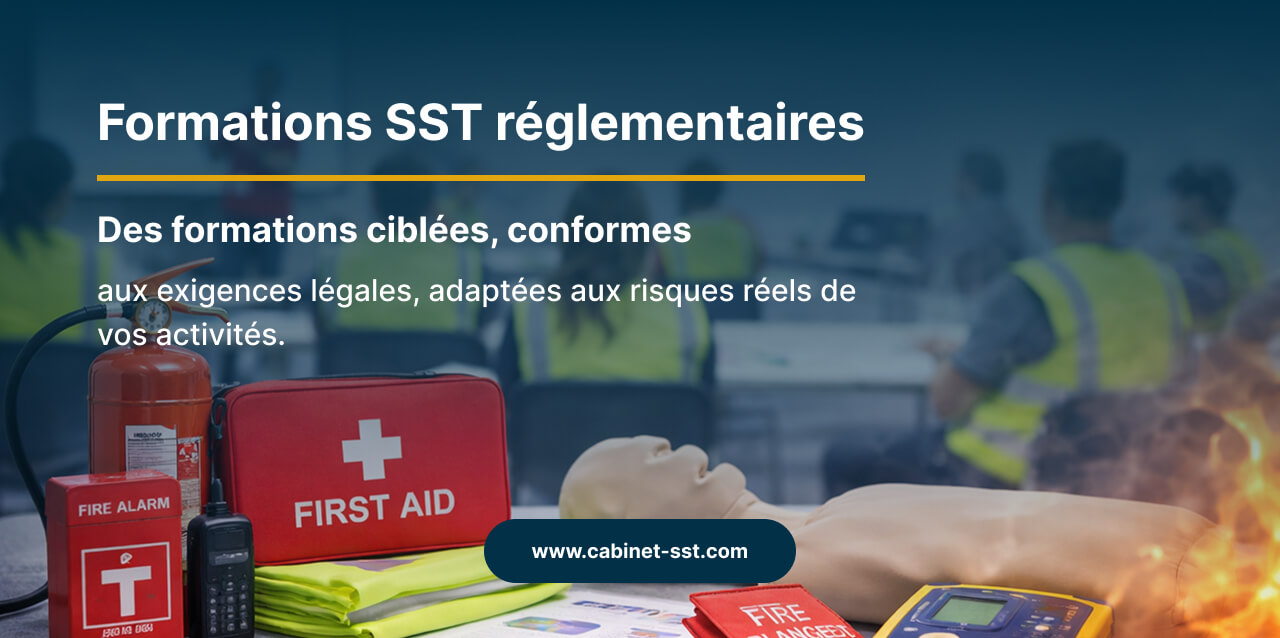
Workplaces face numerous challenges in managing occupational risks, often complicated by diverse environments, evolving regulations, and technological advances.
Key issues addressed by a grille d’analyse de risques include:
- Complexity of Risk Identification: In large organizations or multiple sites, recognizing all potential hazards is difficult without a systematic approach.
- Prioritization of Risks: With limited resources, organizations must prioritize interventions on the most critical risks, which the grid helps clarify.
- Regulatory Compliance: Ensuring compliance with evolving SST regulations requires standardized and documented risk assessment processes.
- Employee Engagement: Without clear visual tools like risk grids, employees may fail to recognize hazards or contribute to mitigation efforts.
Incorporating a grille d’analyse de risques effectively addresses these challenges by providing clarity, structure, and credibility to the risk management process.
International Standards and Regulations Governing Risk Analysis

Globally, occupational health and safety frameworks emphasize the importance of systematic risk analysis. Notable international standards include:
- ISO 45001:2018 – Occupational Health and Safety Management Systems: This standard mandates a proactive risk management approach and encourages organizations to embed risk analysis tools such as risk grids.
- ILO-OSH Guidelines (International Labour Organization): These provide guidance on promoting worker safety, including evaluation and control of occupational hazards.
- OSHA (Occupational Safety and Health Administration): In the United States, OSHA regulations emphasize hazard recognition and risk assessment to prevent workplace injuries.
Each framework includes core principles that align with the use of risk analysis grids to support the identification, evaluation, and mitigation of workplace safety and health risks.
Local Context: The Role of a Grille d’Analyse de Risques in France
Within the French context, Analyse risques SST is governed by specific regulations such as the Code du Travail and associated decrees. Employers have a legal obligation to evaluate workplace risks and implement preventive measures.
The use of a grille d’analyse de risques is recommended as part of the mandatory Document Unique d’Évaluation des Risques Professionnels (DUERP), which firms must regularly update. This document formalizes risk analysis and serves as essential evidence of the company’s compliance and commitment to employee safety.
Industries in France with significant application of risk analysis grids include:
- Manufacturing and Heavy Industry: Regions like Île-de-France and Auvergne-Rhône-Alpes are hubs for metalworking, automotive, and chemical sectors, where risk management is crucial.
- Construction: Especially dynamic in urbanizing areas such as Paris and Lyon, construction sites require systematic risk identification due to inherently high hazards.
- Logistics and Transportation: Port zones (e.g., Le Havre) and large logistics hubs necessitate stringent safety protocols supported by risk analysis grids.
For businesses operating in France, it is prudent to utilize certified risk analysis methodologies tailored to French SST regulatory requirements. For in-depth procedural guidance and support, consulting resources like Analyse risques SST is advisable.
Methodologies and Approaches for Implementing a Grille d’Analyse de Risques
Effective deployment of a grille d’analyse de risques involves several methodological steps, tailored to the organization’s size, sector, and risk profile. The process generally includes:
- Hazard Identification: Systematic collection of data on workplace hazards through inspections, interviews, and incident reports.
- Risk Evaluation: Using the risk analysis grid, combine the severity and likelihood to categorize each risk as low, medium, or high.
- Risk Prioritization: The grid’s scoring enables focus on critical risks requiring immediate action.
- Implementation of Controls: Based on priority, select appropriate mitigating measures such as engineering controls, administrative procedures, or personal protective equipment.
- Monitoring and Review: Continuous evaluation of implemented measures and regular updating of the risk analysis as conditions change.
A classic example of a grille d’analyse de risques is the Risk Matrix, often structured in a tabular format as demonstrated below.
| Severity Likelihood | Rare (1) | Unlikely (2) | Possible (3) | Likely (4) | Almost Certain (5) |
|---|---|---|---|---|---|
| Catastrophic (5) | 5 | 10 | 15 | 20 | 25 |
| Major (4) | 4 | 8 | 12 | 16 | 20 |
| Moderate (3) | 3 | 6 | 9 | 12 | 15 |
| Minor (2) | 2 | 4 | 6 | 8 | 10 |
| Insignificant (1) | 1 | 2 | 3 | 4 | 5 |
Use of this matrix assists teams in assigning quantitative values to risks, making it easier to communicate and decide upon mitigation strategies.
Benefits and Organizational Impacts of Using a Grille d’Analyse de Risques
Integrating a grille d’analyse de risques into organizational risk management offers multiple advantages:
- Enhanced Safety Culture: Clear visualization of risks empowers employees and management to engage proactively in safety.
- Regulatory Compliance: Facilitates adherence to national and international SST obligations, reducing legal risks.
- Operational Efficiency: Prioritizing risks ensures efficient allocation of resources and minimization of disruptions from accidents.
- Financial Savings: Preventing accidents curtails costs related to medical care, insurance premiums, penalties, and reputational damage.
- Improved Decision-Making: Objective risk scoring supports evidence-based strategies rather than reactive measures.
Ultimately, the disciplined use of a risk analysis grid aligns wellbeing objectives with business continuity goals.
Case Studies and Practical Use Cases Illustrating the Grille d’Analyse de Risques
Case Study 1: Construction Firm in Île-de-France
A mid-sized construction company operating near Paris implemented a detailed grille d’analyse de risques aligned with the DUERP methodology. Identifying high-risk activities such as scaffold installation and heavy equipment operation led to targeted training programs and specific safety protocols. As a result, the company saw a 30% reduction in workplace injuries over two years while benefiting from improved worker morale.
Case Study 2: Automotive Manufacturing Plant in Auvergne-Rhône-Alpes
At an automotive assembly plant in Lyon, the safety team employed a risk matrix combined with real-time data monitoring to analyze ergonomic risks associated with repetitive tasks. Modifications in workstation design and shift rotations substantially lowered musculoskeletal disorders incidence, reducing absenteeism by 15%.
Use Case: Logistics Hub in Le Havre
In a major port city logistics center, managers used a grille d’analyse de risques to assess risks related to heavy vehicle movements, loading/unloading operations, and hazardous material handling. Implementing immediate control measures like designated traffic lanes and mandatory PPE significantly enhanced site safety performance and compliance.
Future Trends and Perspectives in Risk Analysis Grids and Occupational Health & Safety
The field of occupational risk analysis is evolving with technological innovations and changing work models. Notable trends include:
- Digital Transformation: Integration of artificial intelligence and data analytics to predict risks and automate risk scoring enhances the accuracy and timeliness of risk assessment.
- Wearable Safety Technology: Devices monitoring employee biometrics and environmental factors feed real-time data into risk analysis systems, enabling dynamic updates to the risk grid.
- Focus on Psychosocial Risks: Expanding analysis grids to incorporate mental health risks and workplace stressors reflects a holistic approach to occupational safety.
- Customization and User-Friendly Tools: Development of intuitive software platforms tailored to different industries and company sizes streamlines risk evaluation processes.
- Global Harmonization: Growing alignment between international SST standards facilitates standardized risk management practices across multinational companies.
These innovations represent significant opportunities for organizations committed to advancing their safety culture and risk management effectiveness.
Conclusion: Embracing a Grille d’Analyse de Risques for Effective Occupational Safety
The grille d’analyse de risques remains an indispensable tool for organizations aiming to systematically evaluate and control occupational health and safety risks. By offering a structured and visual method to prioritize hazards, it enables businesses to protect their workforce, comply with regulatory requirements, and optimize resource allocation.
Whether operating in manufacturing, construction, logistics, or other sectors, adopting a robust risk analysis grid aligns with best practices and prepares companies for future challenges in workplace safety.
For organizations seeking tailored guidance or comprehensive support in implementing an effective Analyse risques SST strategy, professional assistance is available. Contact us today to enhance your occupational risk management and ensure a safer workplace environment.
Additionally, for further insights on risk evaluation and management methodologies, explore resources such as Cabinet NPM.