

Introduction: Understanding the Importance of a Checklist HSE Audit
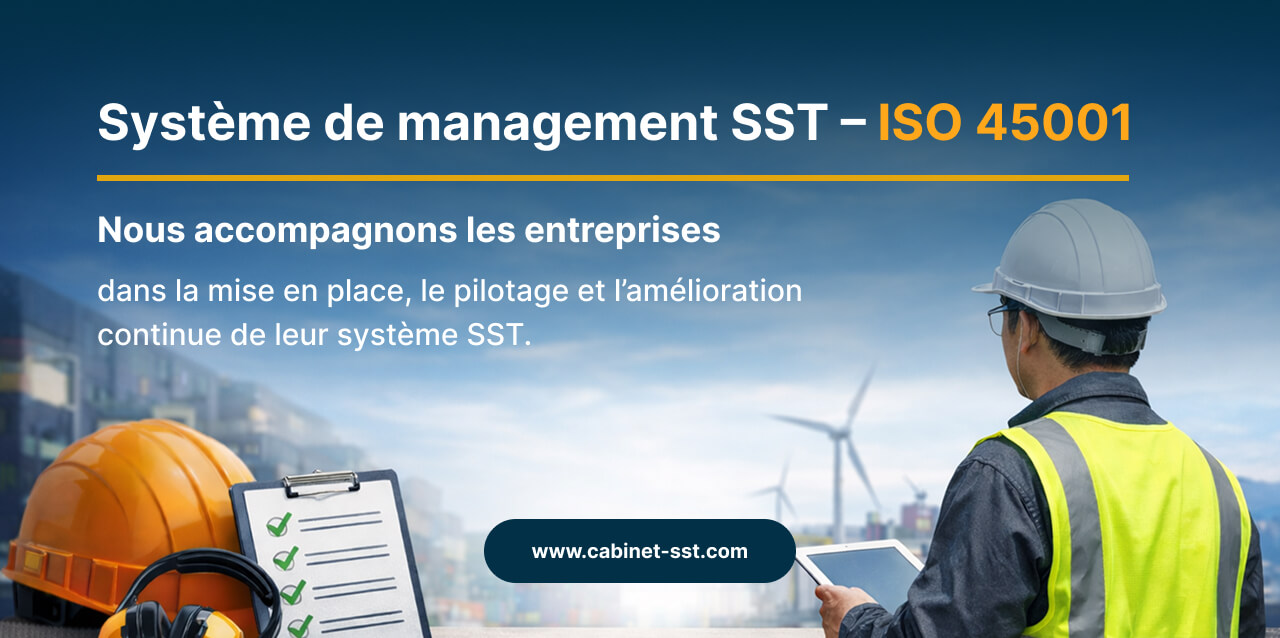
Maintaining a safe, healthy, and environmentally responsible workplace is a critical priority for organizations across all industries. One of the most effective tools for ensuring compliance and fostering continual improvement in health, safety, and environmental (HSE) management is the checklist HSE audit. This structured approach helps organizations systematically assess their adherence to safety standards and regulations, mitigate risks, and promote a culture of safety.
For organizations seeking to optimize their HSE performance, mastering the checklist HSE audit process is essential. Not only does it support operational excellence and legal compliance, but it also safeguards employee well-being and environmental stewardship. This article provides an in-depth exploration of the checklist HSE audit concept, guiding you through its key principles, challenges, international standards, local context for Morocco, and practical methodologies.
Furthermore, we will delve into real-world examples, emerging trends, and the benefits of partnering with specialized consulting services such as Cabinet audit SST and Cabinet NPM to elevate your audit processes.
Key Concepts & Definitions: What is a Checklist HSE Audit?

The term checklist HSE audit refers to a systematic evaluation of an organization’s health, safety, and environmental management practices using a predefined list of criteria or checkpoints. These checklists are designed to cover various dimensions of HSE compliance, including policy implementation, risk assessment, training, equipment safety, emergency preparedness, environmental impact control, and regulatory conformity.
Breaking down the key components:
- Health (H): Pertains to employee well-being and occupational health risks mitigation.
- Safety (S): Focuses on preventing accidents, injuries, and unsafe working conditions.
- Environment (E): Addresses environmental protection, pollution prevention, and sustainable practices.
- Audit: A formal, independent assessment to verify compliance and identify areas for improvement.
- Checklist: A detailed tool listing specific audit points to guide and standardize the evaluation process.
The synergy of these elements ensures that organizations periodically review their HSE systems, identifying lapses before they evolve into costly incidents or regulatory sanctions.
The Role of a Checklist in HSE Audits
A checklist enhances consistency and thoroughness by breaking down complex HSE requirements into manageable action items. It helps auditors maintain focus, track compliance across different departments or sites, and facilitates clear reporting and follow-up. Checklist items typically refer to standards, legal requirements, internal policies, or best practices tailored to the organization’s operational context.
Challenges & Risks Addressed by Checklist HSE Audits

Organizations often encounter numerous challenges related to HSE management, which checklist HSE audits aim to mitigate effectively:
- Complex regulatory environment: Navigating diverse and frequently updated laws can be overwhelming, leading to unintentional non-compliance.
- Human error and oversight: Without structured reviews, safety hazards or environmental risks may go unnoticed.
- Inconsistent practices: Different departments or sites might interpret and implement HSE requirements differently, causing gaps in safety protocols.
- Insufficient documentation and training: Lack of proper records or employee preparedness increases vulnerability to incidents.
- Operational disruptions: HSE incidents can cause downtime, financial loss, and damage to corporate reputation.
- Environmental impact: Poorly managed operations can lead to pollution, waste, and harm to ecosystems and communities.
Implementing a comprehensive checklist HSE audit process addresses these risks by ensuring systematic evaluation, promoting accountability, and driving continuous improvement.
International Standards & Regulations Guiding HSE Audits

Globally, a number of standards and frameworks provide guidance on conducting effective HSE audits and establishing robust management systems:
- ISO 45001: Specifies requirements for occupational health and safety (OH&S) management systems, helping organizations reduce work-related injuries and illnesses.
- ISO 14001: Defines criteria for environmental management systems to enhance environmental performance through sustainable resource use and pollution reduction.
- OHSAS 18001: Although largely superseded by ISO 45001, many companies still reference this standard in their audit checklists.
- ILO Conventions: The International Labour Organization provides conventions and recommendations on workplace health and safety applicable worldwide.
- Local occupational health and environmental laws: These define minimum legal compliance requirements based on jurisdiction.
Effective checklist HSE audits align with these standards, ensuring worldwide applicability and credibility while also supporting certification efforts.
Local Context: Conducting Checklist HSE Audits in Morocco
Morocco is experiencing dynamic industrial development, particularly in sectors such as automotive manufacturing, textiles, agriculture, and mining. Important industrial clusters exist around Casablanca, Tangier, and the Rabat-Agdal region. These enterprises face unique HSE challenges tied to local environmental conditions, labor laws, and regional socio-economic factors.
The Moroccan regulatory framework mandates firms to comply with labor codes emphasizing occupational safety, environmental protection laws addressing waste management and pollution control, and national standards reflecting international best practices. Specialized organizations like Cabinet audit SST provide expert services to help local companies implement effective HSE audit checklists aligned to these regulations.
Examples of local sector-specific considerations include:
- Agriculture: Managing pesticide use, mechanized equipment safety, and soil conservation.
- Mining: Controlling dust, noise, and handling hazardous materials safely.
- Manufacturing: Ergonomic risks, machine guarding, and chemical exposure controls.
Utilizing tailored checklist HSE audits supports Moroccan companies not only in compliance but also in seizing market opportunities that demand rigorous safety and environmental credentials.
Methodologies & Approaches for Implementing Checklist HSE Audits
Applying a checklist HSE audit effectively requires a structured methodology to maximize accuracy and actionable insights. The following steps provide a robust framework:
- Preparation: Define audit objectives, scope, and required resources. Develop or customize the checklist based on relevant standards, regulations, and organizational policies.
- Training: Equip auditors with necessary knowledge and skills regarding HSE requirements and audit techniques.
- Field Audit: Conduct on-site inspections, interviews, and document reviews guided by checklist items. Record observations precisely.
- Data Analysis: Analyze findings to identify compliance status, root causes of issues, and areas requiring corrective action.
- Reporting: Prepare comprehensive reports including non-conformities, recommendations, and a plan for follow-up actions.
- Follow-up: Monitor implementation of corrective measures and verify their effectiveness during subsequent audits.
Designing the Checklist for Maximum Effectiveness
An effective checklist incorporates the following principles:
- Comprehensive yet concise: Cover all critical HSE aspects without overwhelming auditors.
- Clear and specific items: Avoid ambiguity to ensure consistent interpretation.
- Legally and operationally relevant: Reflect current regulations and operational realities.
- Flexibility: Allow for sectoral and site-specific customization.
Example: Sample Checklist Structure for an Industrial Facility
| Audit Area | Checklist Item | Evaluation Criteria | Compliance Status |
|---|---|---|---|
| Occupational Health | Are employees provided with appropriate PPE? | All employees must have PPE relevant to their tasks. | Yes / No / Partial |
| Workplace Safety | Are emergency exits clearly marked and accessible? | Exit paths must be free of obstruction and signage visible. | Yes / No / Partial |
| Environmental Management | Is waste segregated and disposed per regulatory guidelines? | Hazardous and non-hazardous wastes managed separately and documented. | Yes / No / Partial |
Benefits & Impacts of Using a Checklist HSE Audit
Organizations that invest in disciplined checklist HSE audits reap multiple benefits, including:
- Operational Excellence: Identifying risks early prevents accidents and operational disruptions.
- Regulatory Compliance: Ensures observance of complex HSE laws, avoiding fines and legal exposure.
- Financial Savings: Reduces costs linked to workplace injuries, penalties, and environmental remediation.
- Improved Safety Culture: Promotes employee engagement and conscientiousness around HSE matters.
- Reputation and Market Access: Demonstrates commitment to responsible practices, enhancing stakeholder trust and competitive advantage.
- Environmental Stewardship: Minimizes ecological footprint and contributes to sustainable development goals.
Moreover, integrating checklist HSE audits with management systems encourages continual improvement and strategic decision-making.
Case Studies & Use Cases: Illustrating Checklist HSE Audit Effectiveness
Case Study 1: Automotive Manufacturing Plant in Casablanca
A major automotive component manufacturer partnered with Cabinet audit SST to implement a detailed checklist HSE audit process aligned with ISO 45001 requirements. The audit revealed gaps in machine guarding and employee emergency training. Addressing these non-conformities reduced workplace injuries by 35% within one year and helped the company attain OH&S certification, unlocking contracts with international clients.
Case Study 2: Textile Factory in Tangier
A textile factory faced challenges managing chemical use and waste disposal. Employing a customized environmental checklist, auditors evaluated compliance with Moroccan environmental laws. The audit prompted investment in waste treatment equipment and updated employee training. As a result, environmental incidents dropped significantly, and the factory improved its relationship with local communities, enhancing social license to operate.
Use Case: Small Agricultural Enterprise
For a small farm, the checklist HSE audit focused on pesticide handling and equipment safety. The audit identified inadequate PPE use and inadequate spill response plans. Simple corrective actions led to safer working conditions, reduced health risks, and improved overall operational reliability.
Future Trends & Perspectives in Checklist HSE Audits
The field of HSE auditing is evolving rapidly, influenced by technological advancements and changing regulatory landscapes:
- Digitalization: Mobile audit apps and software are replacing paper checklists, improving real-time data collection and analysis.
- Integration with IoT and AI: Sensors and AI analytics can proactively detect hazards, feeding data into audit systems for predictive risk management.
- Holistic Approaches: Growing focus on integrating occupational safety with mental health and well-being audits.
- Customized Checklists: Artificial intelligence and machine learning enable dynamic tailoring of checklist items based on specific industries, sites, and risk profiles.
- Global Harmonization: Increasing alignment between international standards and localized requirements streamlines multinational organizations’ audit efforts.
These innovations will enhance audit efficiency, accuracy, and the ability to foster continuous improvement in HSE management systems.
Conclusion
The checklist HSE audit is an indispensable tool for organizations aiming to uphold high standards of health, safety, and environmental performance. By systematically identifying compliance gaps and driving corrective actions, these audits protect employees, the environment, and the organization’s operational integrity.
In the context of Morocco’s expanding industrial landscape, leveraging tailored checklist HSE audits in conjunction with expert consultation from services such as Cabinet audit SST can empower organizations to meet regulatory demands, achieve certifications, and enhance competitiveness. Embracing methodologies that combine clarity, comprehensiveness, and adaptability ensures audits generate meaningful outcomes.
Looking ahead, innovations in digital and AI technologies promise to revolutionize how audits are conducted, making them more dynamic, data-driven, and preventive.
If your organization is ready to optimize its HSE audit processes and safeguard its workforce and environment effectively, reach out for expert guidance and support tailored to your specific needs.