

Understanding the Importance of Audit HSE BTP in Construction Health and Safety Management
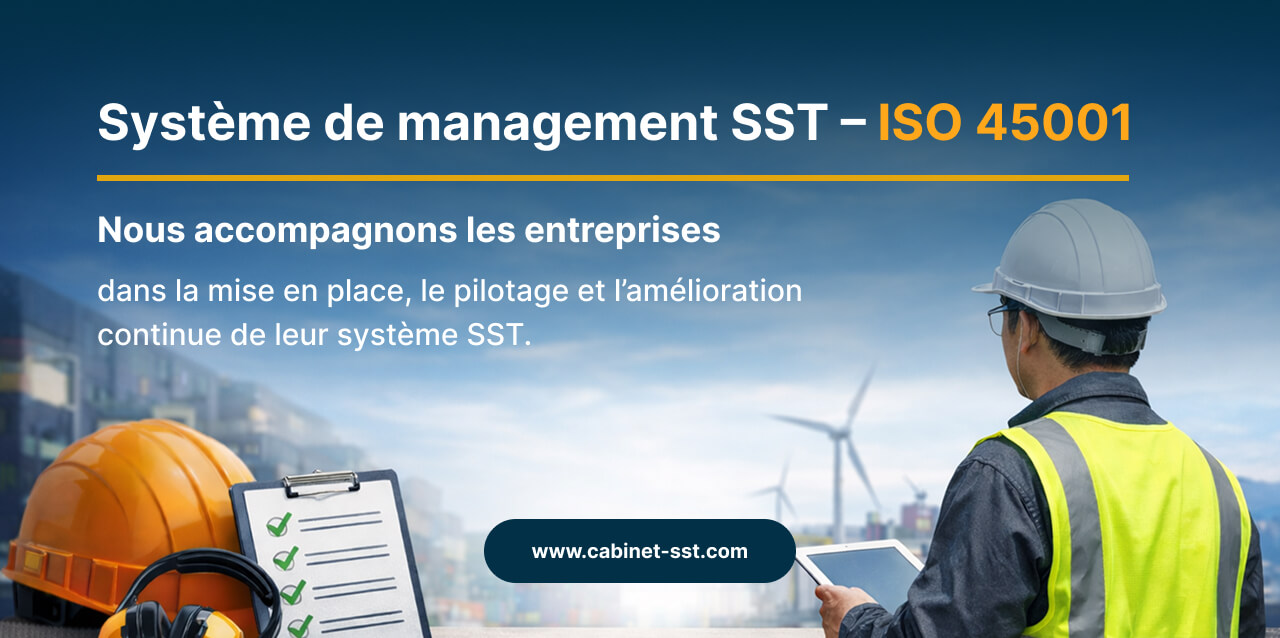
In the dynamic world of construction, managing health, safety, and environmental (HSE) risks is paramount to ensuring the well-being of workers and the sustainability of projects. The term Audit HSE BTP refers specifically to the comprehensive auditing process of health, safety, and environmental standards within the Building and Public Works sector (BTP – Bâtiment et Travaux Publics). As construction sites present complex hazards and regulatory challenges, these audits are critical tools to identify non-conformities, enhance safety protocols, and ensure regulatory compliance.
For organizations operating within this industry, implementing and regularly conducting audit HSE BTP is not only a legal obligation but also a strategic necessity. It minimizes operational risks, controls costs related to accidents or environmental damage, and fosters a safety culture that boosts workforce morale and project efficiency. Business leaders, safety managers, and project supervisors must therefore prioritize these audits to safeguard their teams and maintain competitive advantage.
Key Concepts & Definitions Related to Audit HSE BTP
To fully appreciate the scope and significance of audit HSE BTP, it is essential to break down the core components and their fundamental meaning:
- HSE (Health, Safety, Environment): This triad represents the pillars of responsible workplace management focusing on staff well-being, injury prevention, and ecological protection.
- BTP (Bâtiment et Travaux Publics): Refers to the construction and civil engineering sector including residential buildings, commercial structures, roads, bridges, and related infrastructure projects.
- Audit: A systematic, independent evaluation aimed at verifying compliance with established HSE policies, standards, legal requirements, and best practices.
Thus, an audit HSE BTP is a targeted, systematic review of a construction site or company’s health, safety, and environmental practices tailored to construction and public works conditions.
Core Principles of Audit HSE BTP
- Compliance Verification: Ensuring adherence to local and international HSE regulations applicable to construction sites.
- Risk Identification: Spotting potential hazards and unsafe practices that could compromise worker safety or environmental integrity.
- Continuous Improvement: Recommending corrective actions and preventive measures to elevate company HSE performance.
- Stakeholder Engagement: Involving management, employees, subcontractors, and regulators in fostering a safety-centric culture.
Challenges and Risks Addressed by Audit HSE BTP

The construction sector is inherently high-risk due to factors such as heavy machinery operation, working at height, handling hazardous materials, and varied site conditions. These elements pose unique challenges that make audit HSE BTP indispensable:
- Complex Regulatory Landscape: Multiple overlapping safety and environmental regulations can complicate compliance efforts.
- Variable Site Conditions: Each construction site may present different risks due to location, project phase, or subcontractor involvement.
- Human Factors: Training gaps, fatigue, or inadequate safety culture can increase accident likelihood.
- Environmental Impacts: Construction activities can lead to pollution, waste generation, and resource depletion if not carefully managed.
- Technological Changes: Adoption of new tools and materials requires continuous updating of risk assessments and safety procedures.
By conducting focused audits, organizations can proactively mitigate these risks and avoid incidents that can cause injury, project delays, fines, or damage to reputation.
International Standards and Regulations Governing Audit HSE BTP

Adherence to internationally recognized standards is a cornerstone of effective audit HSE BTP. Such standards provide structured frameworks and benchmarks for managing occupational health, safety, and environmental performance in construction:
| Standard/Regulation | Description | Relevance to Audit HSE BTP |
|---|---|---|
| ISO 45001 | Occupational Health and Safety Management Systems | Provides requirements for establishing H&S management systems reducing workplace risks. |
| ISO 14001 | Environmental Management Systems | Guides effective environmental performance and compliance audits. |
| ILO Conventions | International Labour Organization health and safety conventions | Set global labor standards for safe and healthy workplaces. |
| OSHA Regulations (Where applicable) | Occupational Safety and Health Administration standards | Offer detailed workplace safety requirements, particularly in the US but often adopted worldwide. |
| Country-specific construction and environmental laws | National legislation governing workplace safety and environmental protection | Essential to consider for local compliance during audit HSE BTP activities. |
These standards help audit teams benchmark their findings and guide companies in aligning with best practices globally.
Local Context of Audit HSE BTP in France
Given that the audit HSE BTP term originates from the French construction sector, understanding the local regulatory environment and typical industry context is fundamental.
Regulatory Framework in France
France maintains stringent regulations for occupational health, safety, and environmental protection under labor codes and environmental law. Key features include:
- Obligations under the Code du Travail (Labor Code) related to employer responsibility for worker safety.
- Specific standards for construction sites administered by the Institut National de Recherche et de Sécurité (INRS).
- Environmental regulations addressing waste management, pollution control, and sustainable building practices.
Typical Sectors and Regions Impacted
The audit HSE BTP is particularly relevant across various French sectors such as:
- Urban development projects in Île-de-France, including Paris metropolitan area.
- Infrastructure projects in industrial hubs like Lyon, Marseille, and Toulouse.
- Public works in coastal regions requiring specialized environmental protection measures.
Examples of audit application range from tower construction and roadworks to renewable energy installation sites, reflecting the diverse demands of the French BTP sector.
Methodologies & Approaches to Conducting an Audit HSE BTP
Executing an effective audit HSE BTP requires a structured methodology incorporating multiple stages:
- Preparation and Planning: Define audit scope, objectives, legal requirements, and select qualified auditors.
- Document Review: Examine safety policies, risk assessments, training records, incident reports, and environmental permits.
- Field Inspection: Conduct site visits to observe practices, equipment condition, PPE usage, and hazard controls.
- Personnel Interviews: Engage workers, supervisors, and safety officers to assess awareness and compliance.
- Compliance Assessment: Evaluate alignment with regulations, standards, and company HSE policies.
- Reporting: Document findings, identify non-conformities, opportunities for improvement, and propose corrective actions.
- Follow-up: Monitor implementation of recommendations and verify effectiveness.
Technology integration, such as digital checklists and data management software, enhances audit accuracy and efficiency. Training auditors in construction-specific hazards and regulatory updates is equally important.
Benefits and Impacts of Implementing Audit HSE BTP
Organizations that prioritize audit HSE BTP realize substantial benefits across multiple dimensions:
- Organizational Benefits: Improved compliance reduces legal liabilities and fines, boosts reputation, and strengthens stakeholder confidence.
- Operational Benefits: Enhanced safety procedures lead to fewer accidents, less downtime, and optimized workforce productivity.
- Financial Benefits: Lower insurance premiums, reduced compensation claims, and cost savings from avoiding environmental remediation.
- Safety and Environmental Benefits: A safer workplace directly protects employee health and minimizes negative environmental impacts associated with construction activities.
Case Studies & Practical Use Cases for Audit HSE BTP
To illustrate the practical application and advantages of audit HSE BTP, consider the following hypothetical case studies:
Case Study 1: Large-Scale Urban Development in Lyon
A major residential complex construction faced challenges with subcontractor safety compliance. An audit HSE BTP identified gaps in PPE use and hazardous material management. Post-audit training and corrective actions led to a 40% reduction in near-miss incidents over six months.
Case Study 2: Road Infrastructure Project in Southern France
Environmental audits uncovered improper waste disposal affecting nearby waterways. Implementing audit recommendations helped the firm to redesign waste handling procedures, preventing fines and improving relations with local authorities.
Case Study 3: Bridge Construction in Coastal Region
The audit highlighted risks related to working at heights and adverse weather. Enhanced safety protocols and scheduling adjustments following audit findings decreased worker injuries by 30% and improved project timelines.
Future Trends and Perspectives in Audit HSE BTP
The future of audit HSE BTP is shaped by technological, regulatory, and cultural evolutions:
- Digitalization: Increasing use of drones, IoT sensors, and AI for real-time hazard detection and audit data analytics.
- Sustainability Focus: Greater integration of environmental criteria aligned with green building certifications and carbon footprint reduction.
- Enhanced Training: Virtual reality simulations to improve safety awareness and audit preparedness among workers.
- Global Harmonization: Broader adoption of international standards facilitating cross-border project compliance.
- Proactive Risk Management: Transition from compliance-driven audits to predictive safety management models.
Embracing these trends will enable construction firms to elevate their safety and environmental stewardship while maintaining competitive agility.
Summary Table: Audit HSE BTP Key Aspects
| Aspect | Description | Benefit |
|---|---|---|
| Scope | Health, safety, and environmental audit tailored to BTP sector specifics | Holistic risk management for construction activities |
| Methodology | Document review, site inspection, interviews, compliance checks, reporting | Structured, thorough evaluation ensuring accuracy |
| Regulatory Compliance | Adherence to local laws and international standards (ISO 45001, ISO 14001) | Mitigation of legal and financial risks |
| Challenges | Managing complex hazards, diverse sites, subcontractors, evolving tech | Targeted corrective measures improve safety culture |
| Impact | Reduced accidents, environmental protection, operational efficiency | Increased organizational resilience and profitability |
Integration with Cabinet Audit SST Services
For organizations seeking professional support in implementing robust audit HSE BTP, partnering with experienced consulting firms is essential. Cabinet audit SST specializes in occupational health and safety audits, including construction sector services tailored to client-specific needs.
Utilizing their expertise ensures compliance, comprehensive risk assessment, and actionable recommendations that align with evolving regulations and industry best practices. Their tailored approach leverages years of experience to support continuous safety and environmental performance improvements.
Additional Resources
- For broader national service offerings on safety audits, visit Cabinet NPM.
- Explore related occupational health and safety resources to complement your audit program.
Conclusion
In summary, audit HSE BTP represents a vital process that underpins safe and responsible construction management. By systematically assessing health, safety, and environmental practices through audits, organizations can identify risks, enforce compliance, and embed continuous improvement into their operational fabric. This not only protects workers and supports environmental stewardship but also yields tangible organizational benefits from enhanced efficiency to financial savings.
Given the complex regulations and unique risks found in the BTP sector — particularly in regions like France with strict legal frameworks — a strategic approach to audit implementation is crucial. Leveraging expert consulting services such as those provided by Cabinet audit SST can significantly enhance audit effectiveness and result in lasting safety culture transformation.
For business leaders and safety professionals aiming to excel in HSE performance, incorporating regular audit HSE BTP into their management systems is a best practice that delivers measurable value.
To explore how your organization can optimize its construction health, safety, and environmental audits, do not hesitate to contact us for tailored support and guidance.