

Introduction: The Vital Role of a Programme d audit santé et sécurité au travail
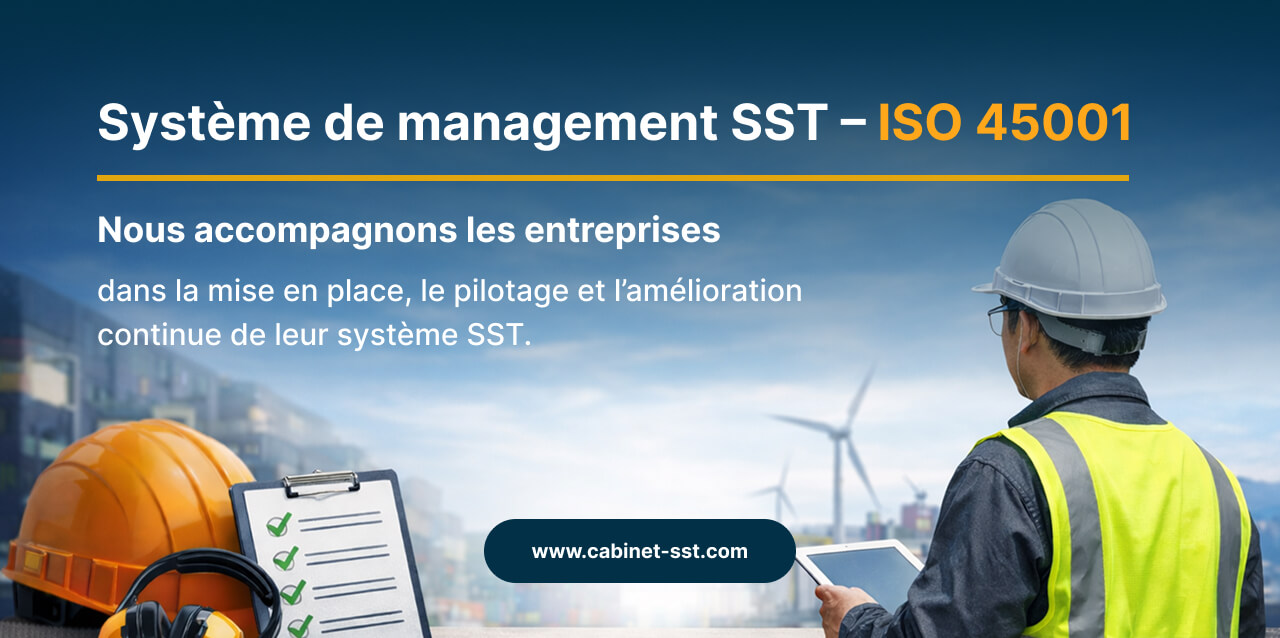
In today’s dynamic business environment, ensuring the health and safety of employees remains a paramount concern for organizations globally. A programme d audit santé et sécurité au travail plays a pivotal role in safeguarding workplace environments, reducing risks, and fostering a culture of prevention and continuous improvement. This structured approach to auditing health and safety protocols is not only essential for compliance with legal requirements but also crucial for enhancing operational efficiency and protecting human capital.
For business leaders and decision-makers, understanding the intricacies and benefits of an effective occupational health and safety audit program is indispensable. It enables organizations to identify vulnerabilities, mitigate hazards, and demonstrate their commitment to social responsibility. Furthermore, with the rise of international standards and local regulations, implementing a robust programme d audit santé et sécurité au travail becomes an even more strategic investment.
Key Concepts & Definitions: Understanding the Programme d audit santé et sécurité au travail

The term programme d audit santé et sécurité au travail refers to a systematic and documented process of verifying and assessing workplace health and safety measures within an organization. It aims to evaluate whether existing policies and practices align with regulatory requirements and industry best practices.
Breaking down the components:
- Programme: A planned, organized series of activities or interventions designed to achieve specific objectives.
- Audit: An independent, objective examination and evaluation of health and safety systems, controls, and compliance.
- Santé et sécurité au travail: The occupational health and safety (OHS) domain focusing on the prevention of workplace injuries, illnesses, and fatalities through risk management and safe working conditions.
Thus, a programme d audit santé et sécurité au travail integrates all these aspects into a coherent framework that continuously monitors, inspects, and improves workplace safety standards.
Core Principles of Health and Safety Auditing
- Independence and Objectivity: Auditors must be impartial to provide credible assessments.
- Systematic Approach: Following a defined methodology to evaluate safety management systems.
- Compliance Verification: Ensuring alignment with applicable laws, regulations, and standards.
- Continuous Improvement: Identifying opportunities to enhance safety performance over time.
Challenges & Risks Addressed by Health and Safety Audit Programs
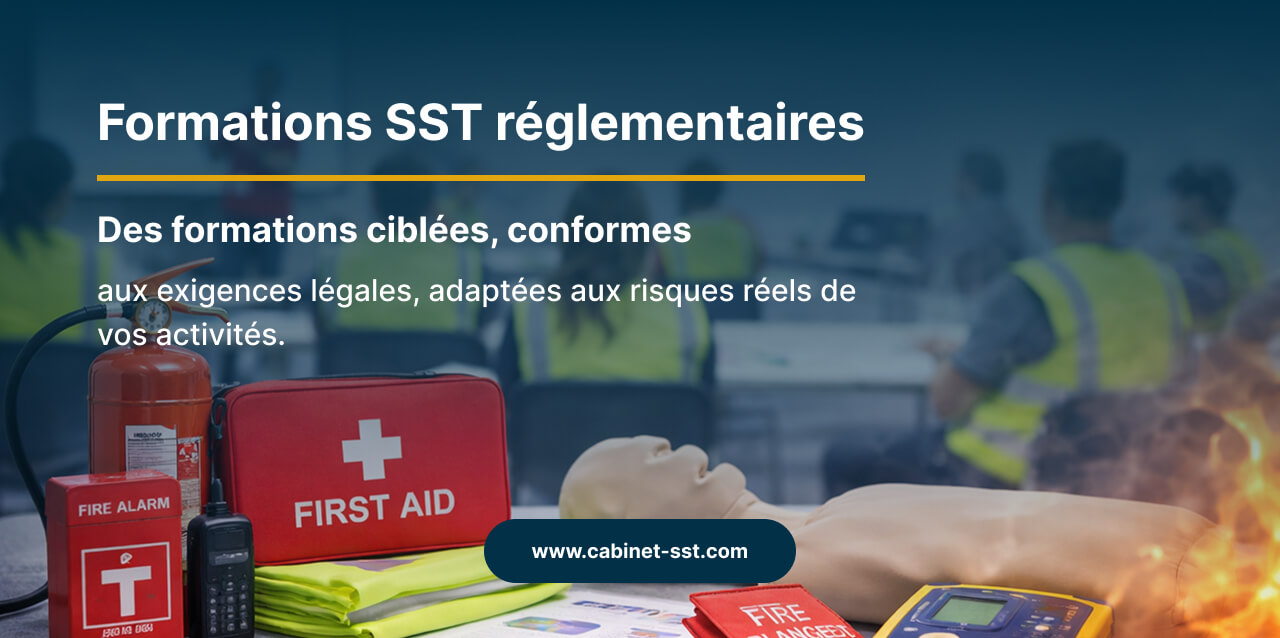
Organizations face multifaceted challenges in maintaining robust health and safety conditions. A programme d audit santé et sécurité au travail helps to tackle these key issues:
- Regulatory Complexity: Navigating intricate and evolving legal frameworks can be overwhelming, leading to unintentional non-compliance.
- Hazard Identification: Failure to spot workplace hazards can increase accident rates, resulting in human suffering and costly downtime.
- Risk Management Gaps: Without thorough audits, risk controls may be ineffective or outdated.
- Cultural and Behavioral Factors: Unsafe worker practices or lack of awareness can undermine safety efforts.
- Resource Constraints: Limited budget or expertise can hinder proper health and safety management.
By addressing these risks, the audit program secures a safer environment and promotes operational resilience.
International Standards & Regulations Governing Workplace Safety Audits

Compliance with international standards is crucial to a successful programme d audit santé et sécurité au travail. Globally recognized frameworks include:
- ISO 45001: The international standard for occupational health and safety management systems. It provides requirements for establishing, implementing, and improving processes to reduce workplace injuries and illnesses.
- ILO Conventions: The International Labour Organization (ILO) sets guidelines and conventions, such as Convention 155 on Occupational Safety and Health.
- OSHA Regulations: While specific to the United States, OSHA’s emphasis on systematic health and safety audits informs best practices worldwide.
These standards emphasize continuous monitoring, management involvement, employee participation, and a proactive approach to hazard control— fundamental aspects that should be embedded within any audit program.
Local Context: Implementing an Audit Programme in the Moroccan Market
In Morocco, the contemporary industrial landscape is rapidly expanding, with sectors such as manufacturing, mining, construction, and agriculture forming key areas where occupational risks are significant. Business hubs like Casablanca, Tangier, and Rabat are central to this growth.
The country’s health and safety regulatory framework aligns with international norms, including national labor codes emphasizing employers’ responsibility for workplace safety. However, challenges such as varying levels of awareness, resource allocation, and enforcement have been observed.
A well-structured programme d audit santé et sécurité au travail customized for the Moroccan context is essential for:
- Ensuring compliance with the Code du Travail and related decrees.
- Addressing sector-specific risks prevalent in Moroccan industrial zones.
- Improving workplace conditions in emerging sectors and SMEs.
- Promoting worker health and indirectly enhancing productivity.
For organizations focusing on Morocco, collaborating with specialized entities, such as the renowned Cabinet audit SST, ensures a tailored and effective audit process.
Methodologies & Approaches to Executing a Programme d audit santé et sécurité au travail
To develop and implement a robust health and safety audit program, organizations should adopt structured methodologies that combine systematic evaluation with practical action plans.
Step 1: Planning and Scope Definition
- Identify the scope of the audit, including departments, processes, and locations.
- Set clear objectives aligned with organizational goals and regulatory requirements.
- Allocate resources and appoint competent auditors.
Step 2: Document Review and Preliminary Assessment
- Analyze existing health and safety policies, procedures, risk assessments, and previous audit reports.
- Understand organizational structure and responsibilities.
Step 3: Onsite Inspection and Data Collection
- Conduct walkthroughs to identify hazards, unsafe behaviors, and equipment conditions.
- Interview employees and management to gauge safety culture and awareness.
- Use checklists and audit tools for consistency.
Step 4: Evaluation and Reporting
- Assess findings against legal requirements and best practices.
- Document non-compliances, risks, and areas of excellence.
- Provide practical recommendations with timelines and responsible parties.
Step 5: Follow-up and Continuous Improvement
- Monitor corrective action implementation.
- Review and update the audit program periodically.
- Foster an ongoing dialogue on health and safety matters within the organization.
Benefits & Impacts of a Health and Safety Audit Programme
When properly executed, a programme d audit santé et sécurité au travail delivers substantial benefits encompassing multiple dimensions:
| Category | Benefits | Impact |
|---|---|---|
| Organizational | Clear health and safety policies; defined roles and responsibilities | Improved governance and accountability |
| Operational | Reduction in accidents and near misses; better emergency preparedness | Increased productivity and decreased downtime |
| Financial | Lower insurance premiums; decreased compensation claims; cost savings from prevention | Enhanced profitability and risk management |
| Human and Safety | Safer work environment; improved employee morale and retention | Healthier workforce and compliance with labor laws |
Case Studies & Use Cases
Case Study 1: Manufacturing Plant in Casablanca
A leading manufacturing firm in Casablanca implemented a comprehensive programme d audit santé et sécurité au travail with the support of an experienced consulting firm. The audit revealed several critical non-compliances regarding machine guarding and chemical storage. By addressing these gaps and training staff, the company achieved a 40% reduction in workplace injuries within 12 months and secured ISO 45001 certification.
Case Study 2: Construction Company in Tangier
A mid-sized construction company faced frequent accidents due to inadequate protective equipment usage. Deploying a health and safety audit program helped identify gaps in safety protocols and worker training. Post-audit interventions included imposing stricter PPE controls and launching an awareness campaign, significantly reducing incident rates by over 30%.
Use Case: Small Business Utilizing Audit Insights
Even smaller enterprises benefit from tailored audit programs. One SME in Rabat leveraged a focused audit to enhance its emergency procedures and housekeeping practices, resulting in improved employee confidence and compliance during local inspections.
Future Trends & Perspectives in Health and Safety Auditing
The landscape of occupational health and safety audits continues to evolve with emerging technologies, regulations, and cultural shifts. Key trends shaping the future include:
- Digitalization and Automation: Use of mobile apps, drones, and AI-powered tools for real-time hazard detection and data analytics enhances audit accuracy and efficiency.
- Integration with Environmental and Quality Audits: Holistic management systems that combine safety, environmental, and quality audits are becoming prevalent.
- Focus on Mental Health: Expanding audit scope to include psychosocial risks and employee well-being.
- Greater Stakeholder Engagement: Inclusion of workers in audit processes through participatory approaches strengthens culture and compliance.
- Sustainability and Corporate Responsibility: Aligning safety audits with broader ESG (Environmental, Social, Governance) criteria to meet investor and societal expectations.
For organizations to stay ahead, adapting these innovations and trends within their programme d audit santé et sécurité au travail is essential.
Conclusion
Implementing a structured and comprehensive programme d audit santé et sécurité au travail is a strategic imperative for organizations committed to protecting their workforce, ensuring legal compliance, and enhancing operational performance. It offers measurable benefits ranging from reduced risks and financial savings to improved organizational culture and reputation.
Whether operating within evolving international frameworks or specific local contexts such as Morocco’s growing industrial hubs, partnering with expert advisory services like Cabinet audit SST can provide tailored guidance and support. Additionally, organizations can deepen their understanding by consulting resources such as Cabinet NPM.
Taking the first step towards establishing or enhancing your health and safety audit program not only protects your most valuable asset—your people—but also strengthens your organization’s resilience and sustainability in an increasingly competitive market.
Ready to advance your health and safety performance? Contact us today to learn how our expertise in developing a customized programme d audit santé et sécurité au travail can support your business objectives and ensure workplace well-being.