

Introduction: The Critical Role of Grille audit sécurité au travail in Corporate Safety
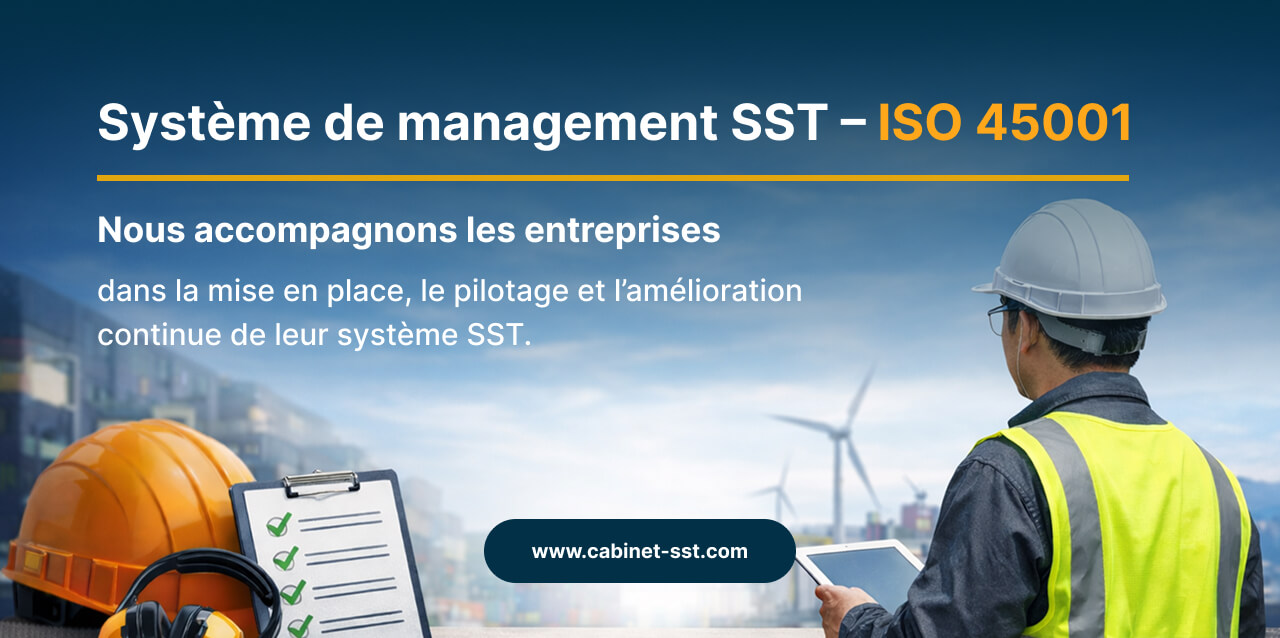
In today’s complex and fast-evolving industrial environments, ensuring workplace safety is not just a regulatory requirement but a vital necessity for sustainable business success. The Grille audit sécurité au travail (workplace safety audit grid) plays a pivotal role in evaluating and enhancing occupational safety measures within organizations. By systematically assessing risks and compliance, this framework aids businesses in fostering a culture of safety, minimizing accidents, and safeguarding employee well-being.
Organizations worldwide are increasingly investing in comprehensive safety audits to detect vulnerabilities and implement corrective actions proactively. For business leaders, understanding and effectively implementing Grille audit sécurité au travail is fundamental for reducing workplace hazards and aligning with best industry practices. This article offers an in-depth exploration of the concept, methodologies, benefits, and future trends related to workplace safety auditing, with a particular focus on the expertise of a Cabinet audit SST specialized in this domain.
Key Concepts & Definitions Related to Grille audit sécurité au travail

The term Grille audit sécurité au travail translates to “workplace safety audit grid” and refers to a structured checklist or evaluation tool designed to appraise the safety conditions and practices within an occupational environment. It consists of systematic criteria covering physical conditions, employee behaviors, procedural compliance, and emergency preparedness.
Fundamental principles embedded in this audit grid include:
- Risk Identification: Highlighting potential hazards such as chemical exposures, machinery risks, ergonomic issues, and fire safety concerns.
- Compliance Verification: Ensuring adherence to labor laws, safety regulations, and internal company policies.
- Preventive Measures Analysis: Assessing the implementation of safety training, protective equipment use, and emergency response protocols.
- Continuous Monitoring: Encouraging periodic reviews to track improvements or emerging risks.
Employed effectively, the Grille audit sécurité au travail serves as a blueprint to uncover gaps in safety infrastructure and practices, guiding corrective and preventive strategies.
Relation to Occupational Health and Safety (OHS)
The audit grid is integral to the broader framework of occupational health and safety management systems, offering a tangible method to validate safety interventions and enhance workforce protection.
Challenges & Risks Addressed by Workplace Safety Audits
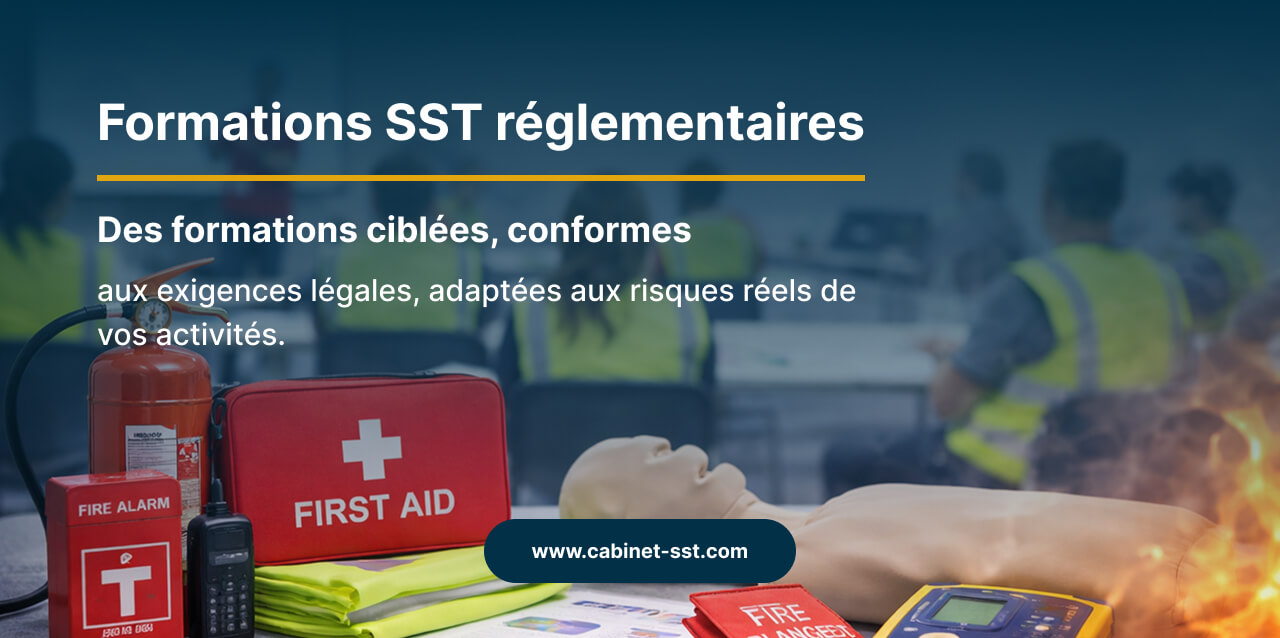
Workplace environments face a broad spectrum of safety challenges — from improperly maintained equipment and employee non-compliance to evolving industrial hazards. The Grille audit sécurité au travail identifies and mitigates these risks by:
- Preventing Workplace Injuries: By systematically uncovering unsafe conditions, audits reduce the likelihood of accidents and incidents.
- Addressing Regulatory Non-Compliance: Organizations risk penalties and legal action if safety standards are not met; audits ensure alignment with applicable laws.
- Minimizing Operational Disruptions: Safety issues often cause downtime and productivity losses; early detection through audits helps maintain operational continuity.
- Mitigating Financial Impacts: Work-related injuries increase insurance premiums and compensation costs, which thorough audits help to reduce.
Failing to conduct rigorous audits can lead to catastrophic accidents, damage to corporate reputation, and employee dissatisfaction.
International Standards & Regulations Supporting Workplace Safety Audits

Globally, workplace safety audits are aligned with several internationally recognized standards and guidelines that define best practices and legal frameworks. Key international references include:
| Standard/Framework | Description | Relevance to Grille audit sécurité au travail |
|---|---|---|
| ISO 45001 | International standard for occupational health and safety management systems. | Provides a systematic approach for identifying hazards and conducting safety audits aligned with risk management principles. |
| ILO Conventions | International Labour Organization conventions on occupational safety and health. | Establish international labor standards that influence national workplace safety audits. |
| OSHA Regulations (USA) | Occupational Safety and Health Administration mandates for workplace safety. | Sets compliance requirements that audit grids must verify for organizations operating or exporting to the US market. |
| European Framework Directive 89/391/EEC | Sets minimum health and safety requirements for workplaces in the European Union. | Basis for developing audit criteria within EU member states. |
Compliance with these standards enhances audit effectiveness and provides assurance to stakeholders about workplace safety commitment.
Local Context: Workplace Safety and Audits in the Moroccan Market
In Morocco, the field of occupational health and safety is governed by specific labor codes and regulatory entities, which mandate the use of grille audit sécurité au travail tools adapted to local conditions and industrial risks. Key aspects include:
- Regulatory Framework: Moroccan Labor Code (Code du Travail) and Decree 2-09-109 outline employer obligations regarding employee safety and health.
- Sector Specific Risks: Major Moroccan industries such as mining, agriculture, manufacturing, and construction have unique risk profiles that must be addressed in audit grids.
- Industrial Zones and Business Hubs: Zones like Tangier Automotive City, Casablanca industrial zones, and the phosphate-rich Khouribga region require specialized safety audit protocols due to their high-risk activities.
Local companies increasingly rely on expert services offered by a Cabinet audit SST to develop and implement customized safety audit grids compliant with Moroccan norms, ensuring both safety and legal adherence.
Examples of Moroccan Workplace Safety Challenges
- Mining Industry: Risks include exposure to dust, heavy machinery hazards, and confined spaces warranting focused audit criteria.
- Manufacturing Sector: Frequent mechanical risks and chemical handling necessitate detailed safety assessments.
- Agricultural Activities: Ergonomic hazards and pesticide exposure require special audit attention.
Methodologies & Approaches for Implementing Grille audit sécurité au travail
Successful application of a Grille audit sécurité au travail involves a structured, step-by-step approach to ensure comprehensive assessment and actionable outcomes. The typical methodology includes:
- Pre-Audit Planning: Identification of audit scope, key safety indicators, and assembling the audit team, often composed of internal safety officers and external experts from a Cabinet audit SST.
- Data Collection: On-site inspections, employee interviews, documentation reviews (like safety manuals and incident reports), and direct observation.
- Use of the Audit Grid: Systematic evaluating each item on the grille including physical conditions, equipment status, compliance with procedures, and the efficacy of training programs.
- Risk Analysis: Prioritizing identified risks based on severity and likelihood using qualitative and quantitative techniques.
- Reporting and Recommendations: Clear documentation of findings incorporating charts and checklists, with prioritized corrective actions.
- Follow-Up: Implementation monitoring and re-audits to ensure issues are resolved and improvements sustained.
Integration of digital tools like safety management software can enhance efficiency and data accuracy during audits.
Common Audit Grid Components
- Physical infrastructure and maintenance
- Employee safety training and awareness
- SOP compliance and hazard communication
- Emergency preparedness and first-aid readiness
- Use and maintenance of Personal Protective Equipment (PPE)
Benefits & Impacts of Using Grille audit sécurité au travail
Implementing a robust Grille audit sécurité au travail yields significant advantages across organizational dimensions, including:
| Benefit Type | Impact |
|---|---|
| Operational | Reduced downtime from accidents, streamlined safety processes, and increased productivity. |
| Financial | Lower insurance premiums, reduced compensation costs, and minimized financial losses due to accidents. |
| Legal & Compliance | Mitigation of legal risks, alignment with labor regulations, and preparedness for inspections. |
| Human Resources | Improved employee morale, retention, and engagement due to safer work environments. |
| Reputational | Enhanced corporate image among clients, partners, and regulatory bodies. |
These benefits contribute to a holistic improvement in workplace culture and competitive advantage.
Case Studies & Use Cases Demonstrating Grille audit sécurité au travail
To better understand the application and impact of the Grille audit sécurité au travail, consider the following examples:
Case Study 1: Manufacturing Company in Casablanca
A textile manufacturer faced frequent minor injuries related to machine handling. By engaging a Cabinet audit SST, they developed a tailored audit grille that focused on machinery safety, employee training adequacy, and PPE usage. The audit revealed lapses in protective equipment maintenance and inconsistent training frequency. Post-implementation of corrective actions, injury rates dropped by 40%, and production uptime increased.
Case Study 2: Construction Project in Tangier
During a large-scale infrastructure project, intermittent safety audits utilizing a robust grille uncovered insufficient hazard communication and substandard scaffolding structure checks. Following recommendations, safety briefings were standardized, and scaffolding inspections were mandated before each shift. This resulted in zero lost-time incidents over a 12-month period.
Use Case: Mining Operations in Khouribga
A mining company used the evaluation grid to perform quarterly safety assessments focused on airborne dust control, ventilation, and emergency evacuation procedures. Continuous improvements validated by the audit allowed them to comply fully with Moroccan labor safety requirements and improved worker confidence.
Future Trends & Perspectives for Workplace Safety Audits
Emerging technologies and evolving regulatory landscapes are shaping the future of Grille audit sécurité au travail and occupational safety audits in general:
- Digital Transformation: Increasing use of IoT sensors, AI-powered safety data analytics, and mobile auditing tools enable real-time risk detection and proactive interventions.
- Integrated Management Systems: Combining safety audits with environmental and quality audits under unified management systems reduces redundancies and improves holistic performance insights.
- Customized Risk Profiles: Advances in data visualization and machine learning facilitate tailored safety audit grids for specific industries and even individual job roles.
- Global Harmonization: Growing alignment of national regulations with international standards like ISO 45001 promotes consistency in audit processes worldwide.
- Increased Employee Involvement: Sensor feedback and participatory safety programs empower workers to contribute actively to audits and hazard reporting.
Organizations working with specialized auditors such as a trusted Cabinet audit SST will benefit from these advancements to continuously elevate their safety standards.
Conclusion: Elevating Workplace Safety Through Grille audit sécurité au travail
In conclusion, the Grille audit sécurité au travail is an indispensable tool for organizations aiming to protect their workforce, comply with legal obligations, and optimize operational performance. By systematically identifying hazards, verifying compliance, and recommending improvements, this audit framework provides measurable benefits that safeguard employees and enhance business sustainability.
Whether operating in dynamic industrial hubs or specialized sectors, embracing a comprehensive audit approach—supported by expert partners such as a Cabinet audit SST—is the strategic pathway to achieving excellence in workplace safety.
For businesses seeking to strengthen their safety management systems or wanting in-depth guidance on implementing an effective Grille audit sécurité au travail, expert assistance is available. Engage with experienced specialists to ensure your organization’s audit process is thorough, compliant, and impactful.
Discover how a professional Cabinet audit SST can support your occupational health and safety objectives and empower your workforce to thrive in a secure environment.
Furthermore, for broader insights on occupational safety audits in the region, visit Cabinet NPM to explore additional expertise and resources.