

Introduction: The Strategic Role of Conseil en santé et sécurité au travail
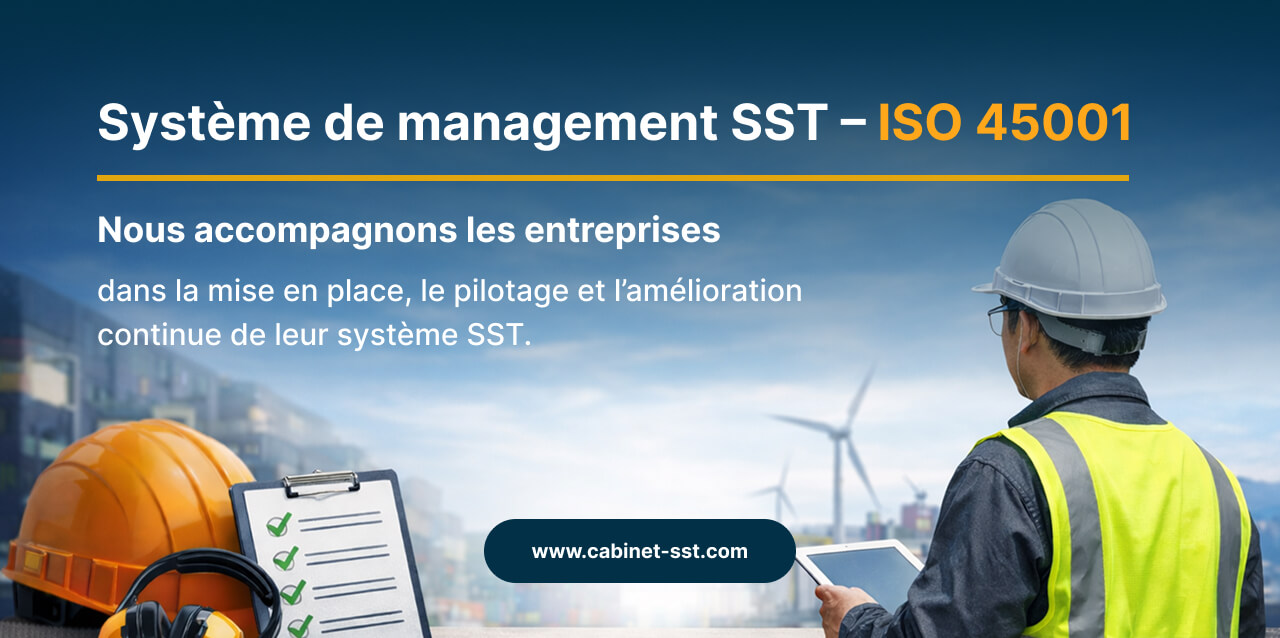
In today’s fast-evolving industrial and corporate landscapes, “conseil en santé et sécurité au travail” (occupational health and safety consulting) has transformed from a regulatory obligation into a strategic pillar for sustainable business success. Organizations, regardless of sector or scale, are increasingly recognizing the critical importance of proactive health and safety measures to protect their workforce, enhance productivity, and mitigate operational risks.
This article delves deeply into the core elements of conseil en santé et sécurité au travail, elucidating its indispensable role in organizational resilience and compliance. Understanding these dynamics enables decision-makers to implement informed strategies, leveraging expert consulting services, such as those provided by a trusted cabinet conseil en SST.
Key Concepts & Definitions in Conseil en santé et sécurité au travail
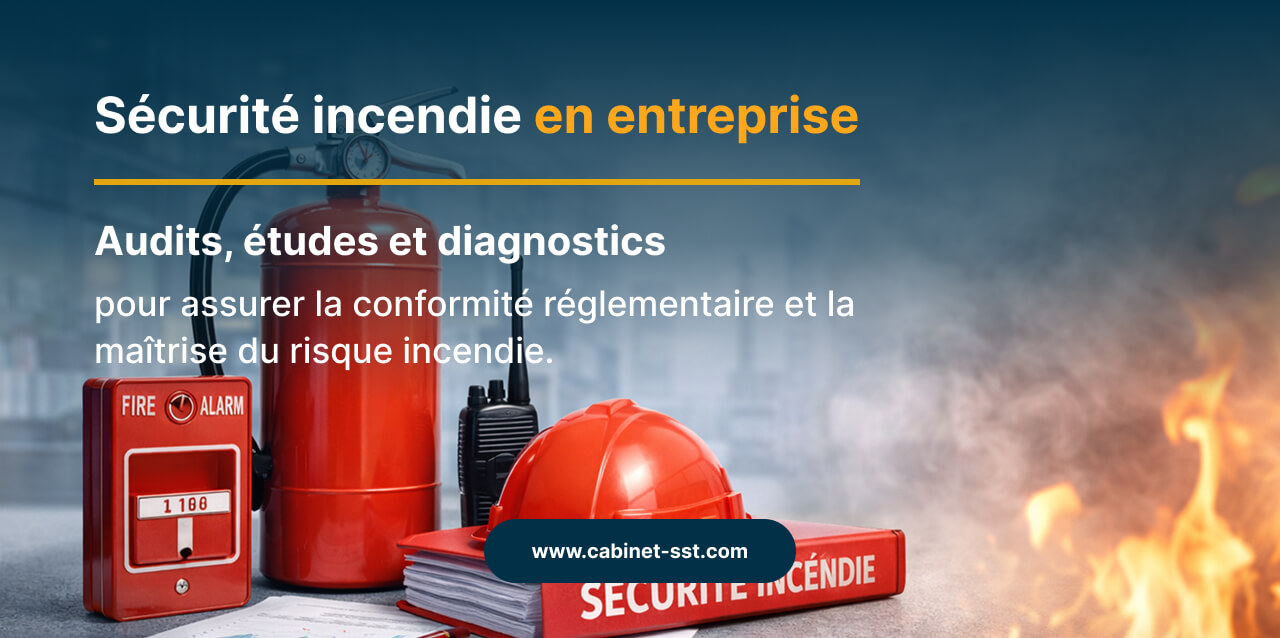
The expression “conseil en santé et sécurité au travail” encompasses the advisory and support activities aimed at preventing workplace accidents and occupational diseases. It integrates the assessment, management, and improvement of work environments to ensure safety and health compliance.
- Santé au travail (Occupational Health): Focuses on maintaining and promoting worker health across all industries, often involving medical surveillance and psychosocial risk evaluations.
- Sécurité au travail (Occupational Safety): Concerns the systematic prevention of incidents and hazards through risk assessment, equipment safety, and procedural controls.
- Conseil (Consulting): Involves expert guidance tailored to organizational needs, including legal compliance, risk audits, training, and continuous improvement processes.
Collectively, these components aim to create a virtuous safety culture that minimizes injury risks while optimizing operational efficiency.
Challenges & Risks Addressed by Occupational Health and Safety Consulting
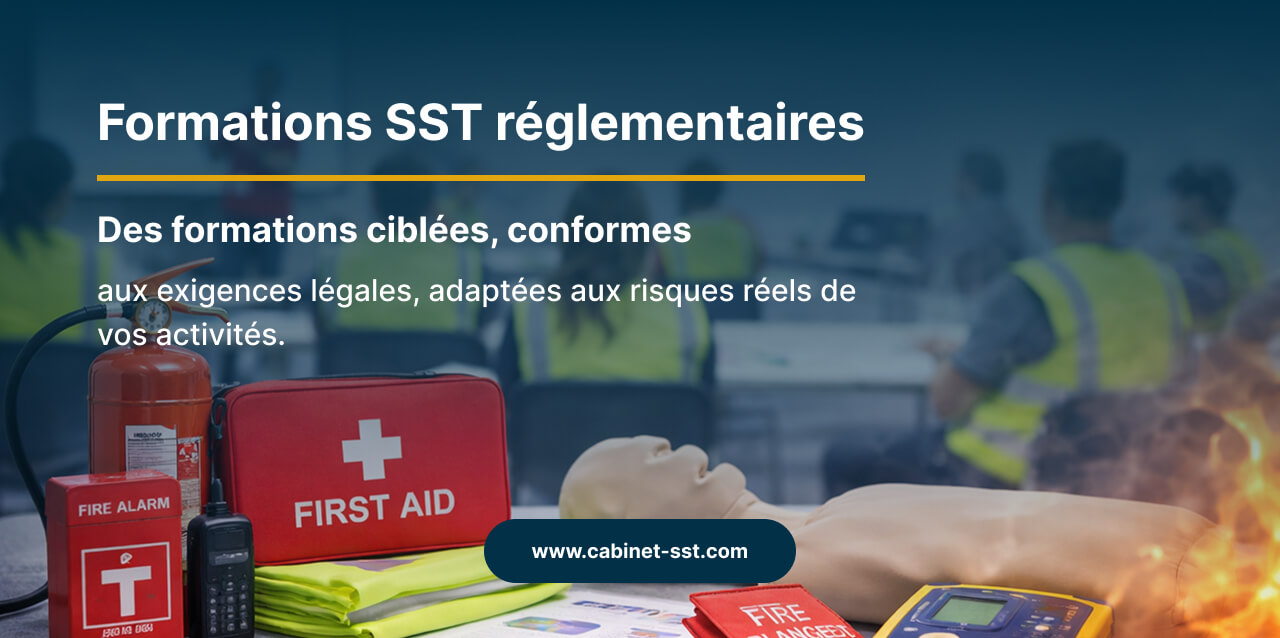
Implementing conseil en santé et sécurité au travail confronts several challenges and risks that organizations must proactively manage:
- Complex Regulatory Environment: Navigating multi-layered safety laws and standards that vary nationally and internationally.
- Emerging Hazards: Adapting to new risks like chemical exposures, ergonomic strain, and psychosocial stressors amplified by remote and hybrid work models.
- Workforce Diversity: Addressing different health and safety needs of diverse employee groups, including temporary workers and contractors.
- Technological Integration: Managing risks related to automation, robotics, and digital tools without compromising safety.
- Cost Constraints: Balancing investment in safety improvements against budgetary limitations without sacrificing compliance.
Expert conseil en santé et sécurité au travail helps organizations systematically identify these challenges, devise mitigation strategies, and establish resilient safety frameworks.
International Standards & Regulations Guiding Conseil en santé et sécurité au travail
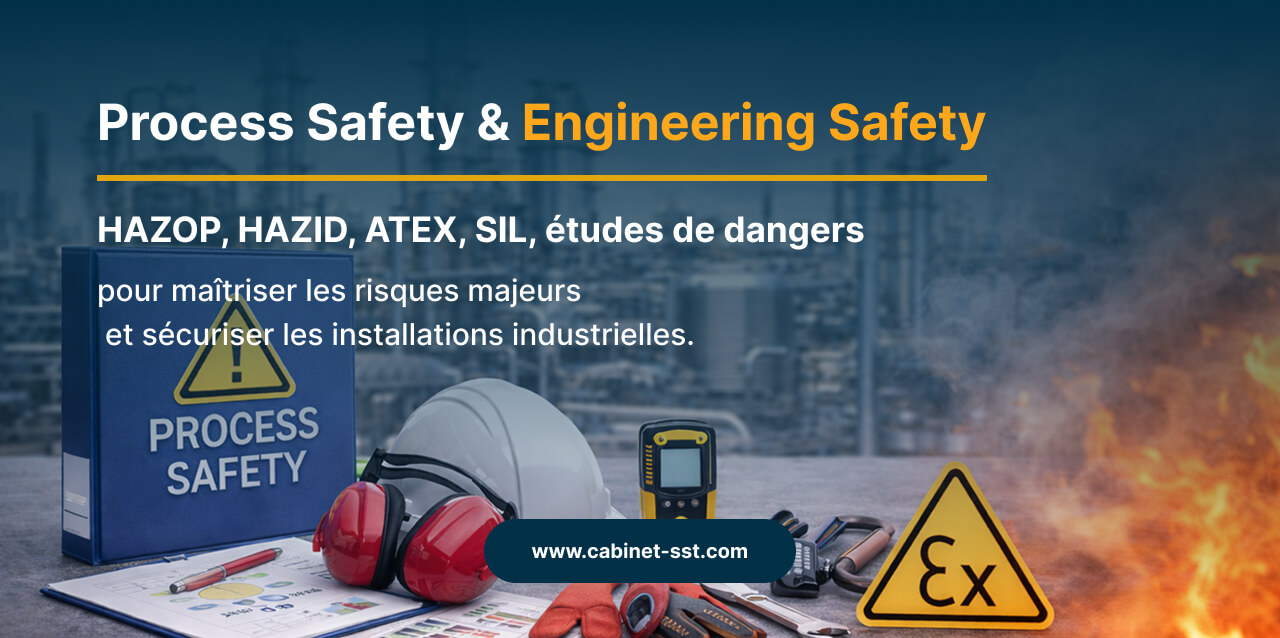
Global harmonization of occupational health and safety practices is driven by key international standards and regulatory frameworks, which form the backbone of effective conseil en santé et sécurité au travail:
| Standard/Regulation | Scope | Relevance for Conseil en santé et sécurité au travail |
|---|---|---|
| ISO 45001 | Occupational Health and Safety Management Systems | Framework for integrating systematic health and safety risk management |
| ILO Conventions (e.g., C155, C187) | International Labour Standards on Occupational Safety | Guidelines for promoting safe and healthy working environments worldwide |
| OSHA (Occupational Safety and Health Administration) | U.S. Workplace Safety Regulations | Sets enforceable workplace health and safety standards applicable in the U.S., often a global benchmark |
| European Agency for Safety and Health at Work (EU-OSHA) | European Occupational Safety Directives | Directives influencing EU countries’ health and safety legislation and practice |
For organizations aiming to excel at conseil en santé et sécurité au travail, aligning with these international standards ensures both legal compliance and best-practice adherence.
Local Context: Conseil en santé et sécurité au travail in France
In France, conseil en santé et sécurité au travail operates within a robust framework of labor laws, governmental regulations, and industrial traditions. The French Labor Code (Code du Travail) articulates detailed health and safety obligations, making expert advice critical for compliance and operational excellence.
The following aspects characterize the local environment:
- Regulatory Bodies: The French Ministry of Labor oversees workplace health and safety, supported by agencies such as INRS (Institut National de Recherche et de Sécurité).
- Sectors with High Risk: France has significant activity in manufacturing (e.g., automotive in Rhône-Alpes), construction, chemical industries, and transportation hubs (like the Greater Paris area).
- Business Hubs: Large metropolitan areas such as Paris, Lyon, and Marseille foster dense clusters of industrial and service-based enterprises, amplifying the necessity for specialized SST consulting.
Companies throughout these sectors benefit immensely from tailored conseil en santé et sécurité au travail provided by established cabinet conseil en SST, ensuring adherence to strict French and European regulations while optimizing employee well-being.
Methodologies & Approaches in Implementing Conseil en santé et sécurité au travail
The success of any conseil en santé et sécurité au travail engagement hinges on methodological rigor and application of proven frameworks. Commonly adopted approaches include:
- Risk Assessment and Analysis: Systematic identification and evaluation of hazards through tools such as Job Safety Analyses (JSA) and Failure Mode Effects Analysis (FMEA).
- Safety Management Systems Implementation: Adoption of ISO 45001 or equivalent systems to embed safety into organizational processes.
- Training and Awareness Programs: Customized programs, often conducted in partnership with entities like Cabinet NPM, equip employees with lifesaving skills and hazard awareness.
- Incident Investigation and Reporting: Structured approaches to analyze work accidents to prevent recurrence.
- Continuous Improvement: Employing Plan-Do-Check-Act (PDCA) cycles to perpetually enhance safety performance.
By applying these methodologies, organizations can systematically integrate conseil en santé et sécurité au travail into their operational DNA and achieve demonstrable progress.
Benefits & Impacts of Effective Occupational Health and Safety Consulting
An investment in professional conseil en santé et sécurité au travail yields multifaceted benefits that transcend compliance:
- Enhanced Employee Well-being: Safer workplaces reduce injuries, occupational diseases, and absenteeism.
- Operational Continuity: Minimizing disruptions caused by accidents results in smoother production flows.
- Financial Savings: Reduction in workplace insurance premiums, litigation costs, and compensation claims.
- Reputational Advantage: Commitment to worker safety strengthens the company’s brand and stakeholder trust.
- Regulatory Compliance: Avoidance of penalties and sanctions through adherence to national and international standards.
Beyond mere obligation, these impacts translate into a more resilient, competitive, and responsible enterprise.
Case Studies & Use Cases Illustrating Conseil en santé et sécurité au travail
Real-world examples highlight the transformational effect of expert consulting:
- Manufacturing Sector: A large automotive components manufacturer in Lyon engaged a cabinet conseil en SST to perform a comprehensive risk assessment. The consultancy identified critical ergonomic risks and implemented redesigns of workstations, leading to a 40% reduction in musculoskeletal complaints within 12 months.
- Construction Industry: A Parisian construction firm introduced systematic incident reporting and targeted training initiatives advised by SST consultants. This resulted in a 30% decline in lost-time injuries over two years.
- Logistics Hub: In Marseille, a logistics company faced recurrent forklift-related accidents. Through a robust safety management system deployment, involving ongoing employee engagement and refresher training, incidents dropped dramatically, enhancing operational efficiency.
Such cases underscore the practical benefits of conseil en santé et sécurité au travail when expertly implemented within diverse industrial contexts.
Future Trends & Perspectives in Conseil en santé et sécurité au travail
The future landscape of occupational health and safety consulting is shaped by emerging global and technological trends, including:
- Digital Transformation: Increasing use of advanced analytics, artificial intelligence, and Internet of Things (IoT) sensors to predict and mitigate risks in real time.
- Holistic Well-being: Expansion beyond physical safety to address mental health, stress management, and work-life balance.
- Remote Work Adaptation: Developing safety frameworks suited to remote and hybrid work environments, addressing ergonomic and psychosocial hazards.
- Sustainability Synergy: Integration of health and safety goals with broader corporate social responsibility and sustainability agendas.
- Regulatory Evolution: Anticipation of tighter regulations, necessitating proactive consulting partnership for ongoing compliance.
Organizations adopting future-ready conseil en santé et sécurité au travail strategies will be positioned as leaders in workforce protection and corporate responsibility.
Conclusion
In sum, conseil en santé et sécurité au travail is not merely a legal necessity but a strategic enabler that safeguards human capital, optimizes operational performance, and fortifies organizational reputation. Navigating its complexities demands expert consulting that understands both international frameworks and localized realities.
For companies seeking to elevate their occupational health and safety standards, partnering with a specialized cabinet conseil en SST offers invaluable expertise to tailor, execute, and sustain effective safety programs.
Take the decisive step toward a safer, healthier, and more productive workplace—contact us today to discover how our professional conseil en santé et sécurité au travail solutions can support your organizational goals.